Snowpeak PR900S Lynx Synthetic
€130.00
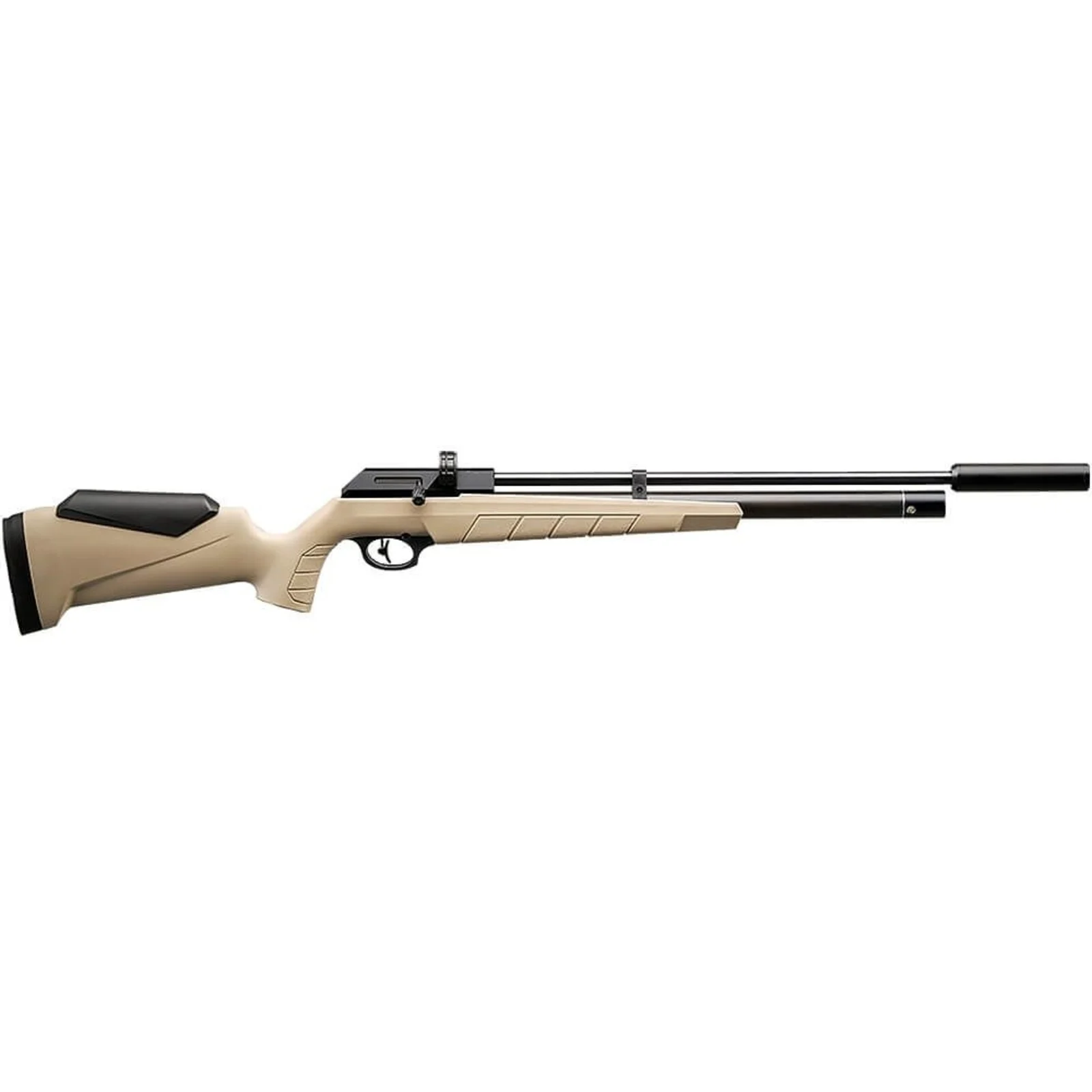
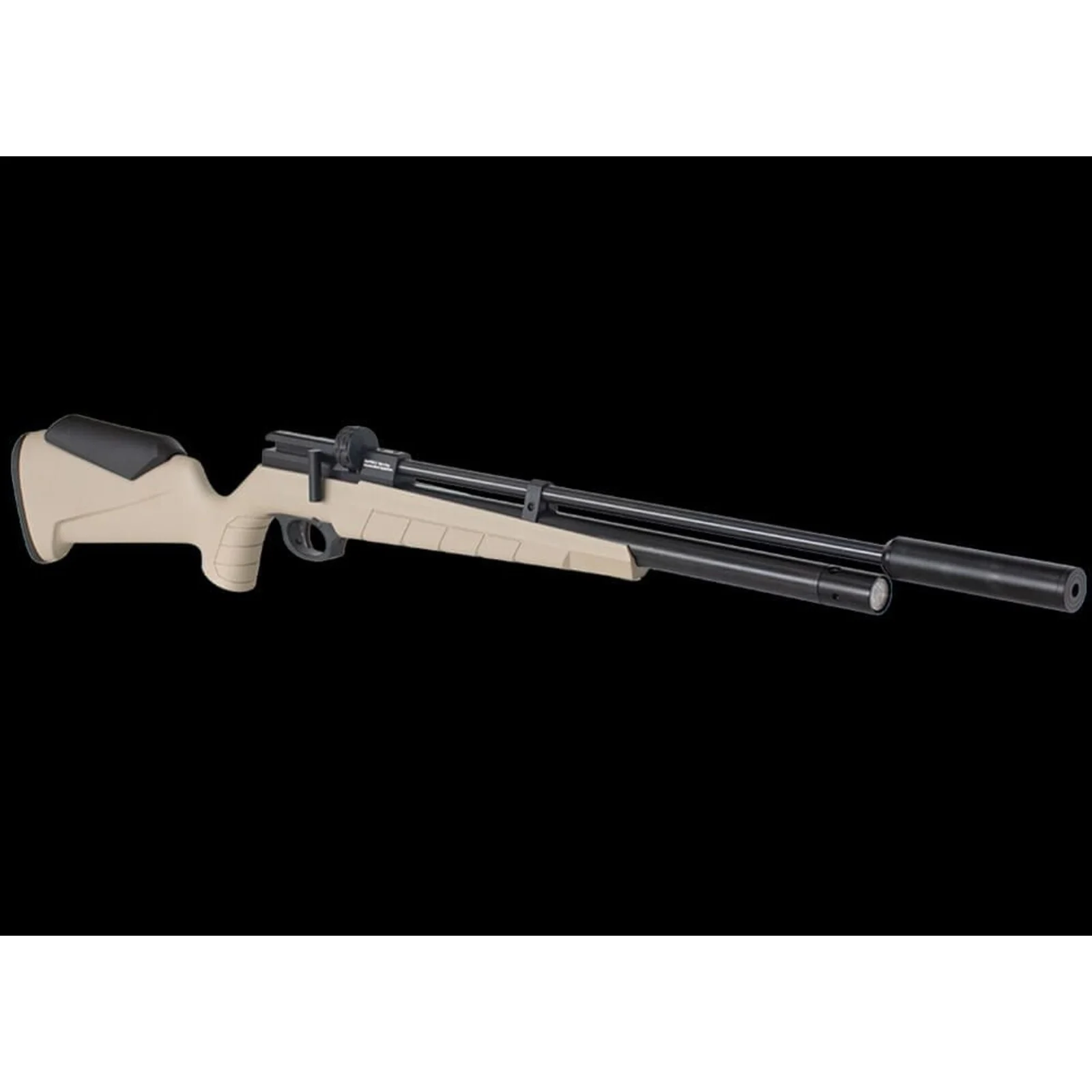
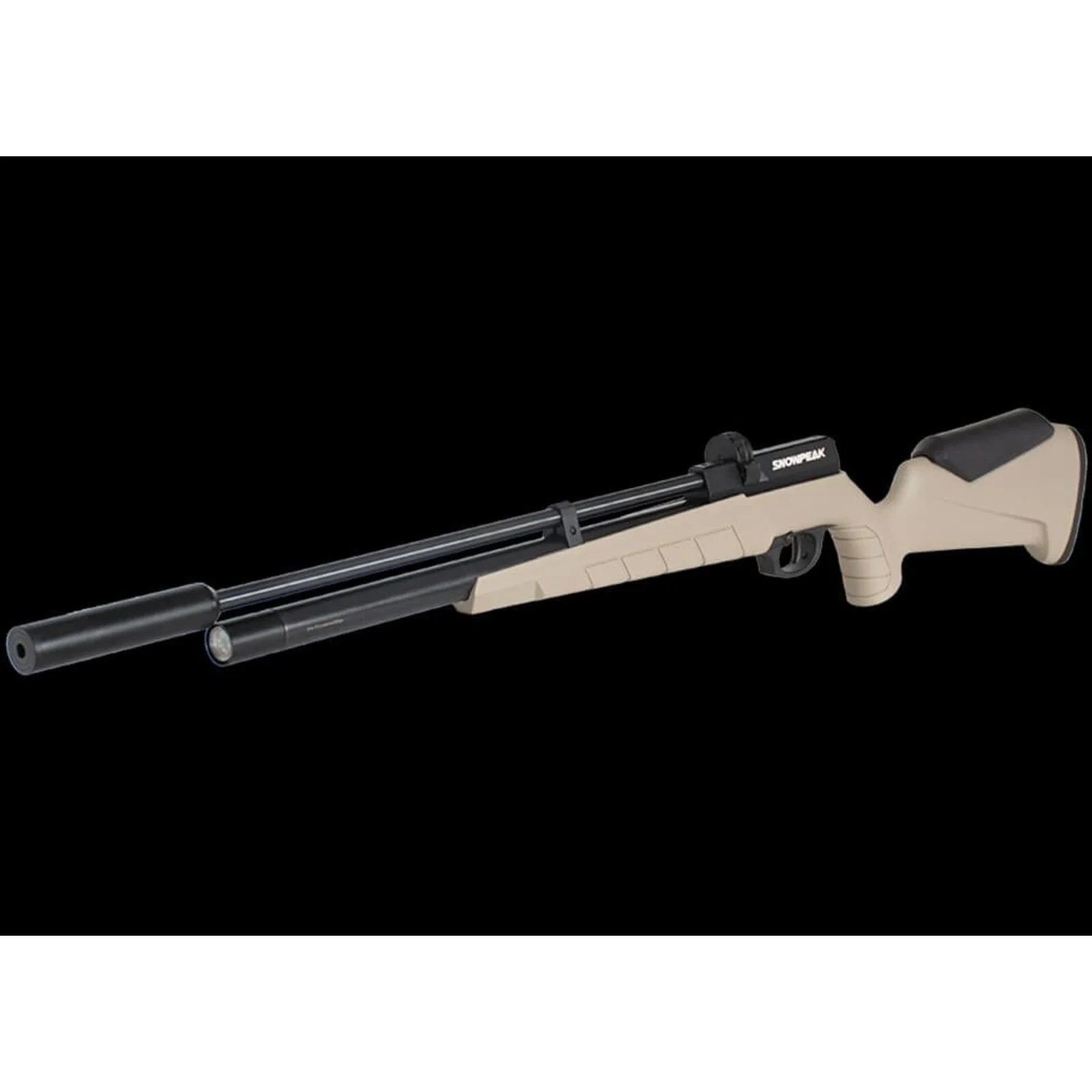
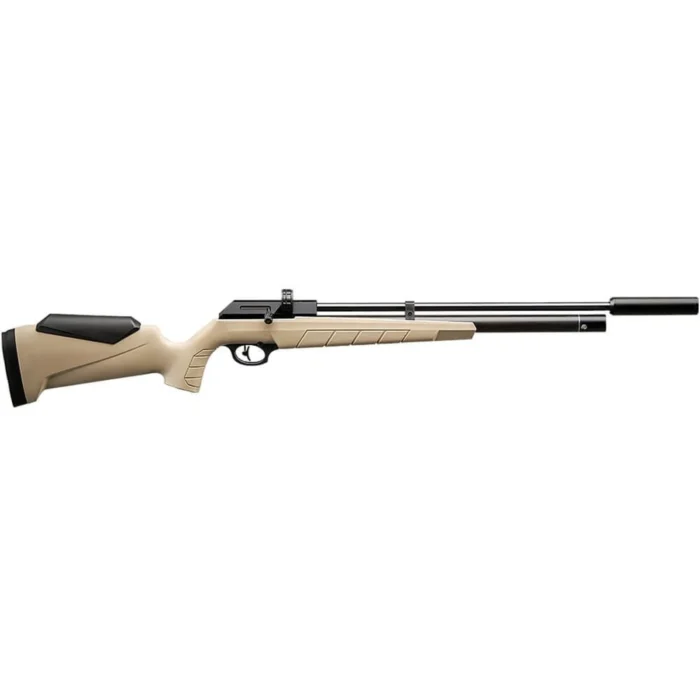
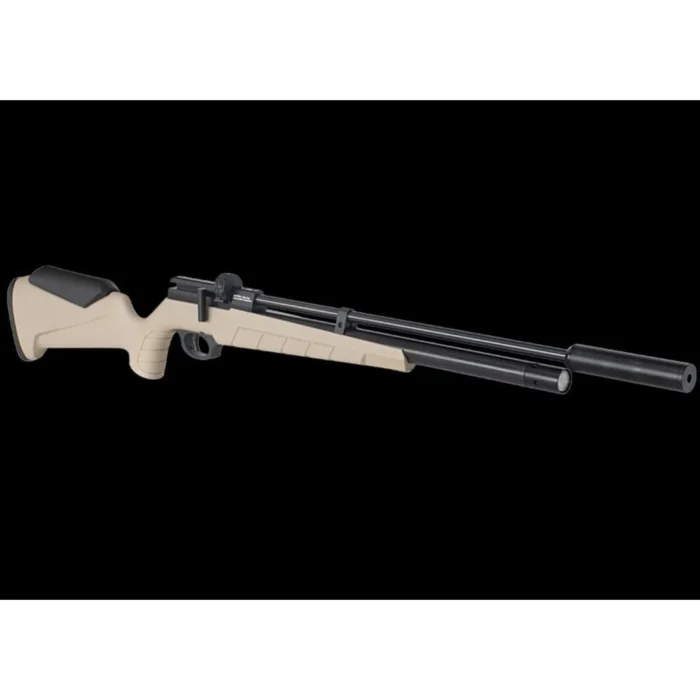
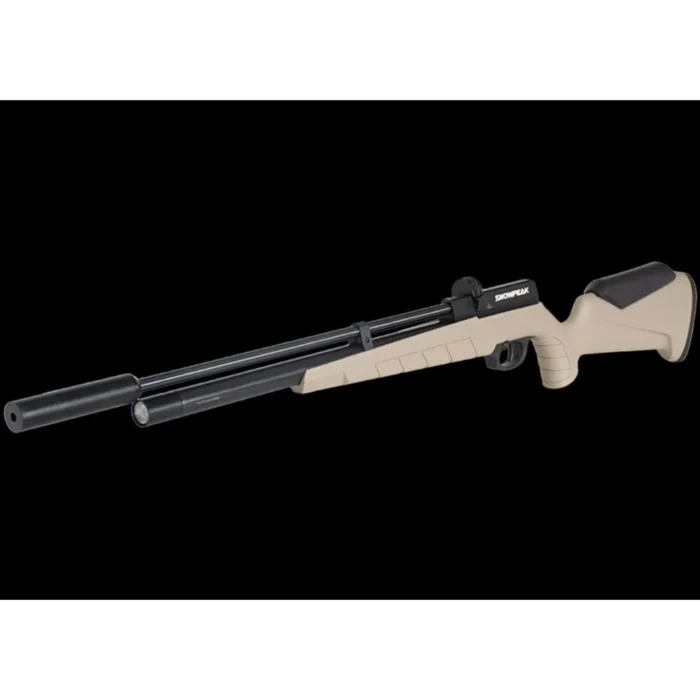
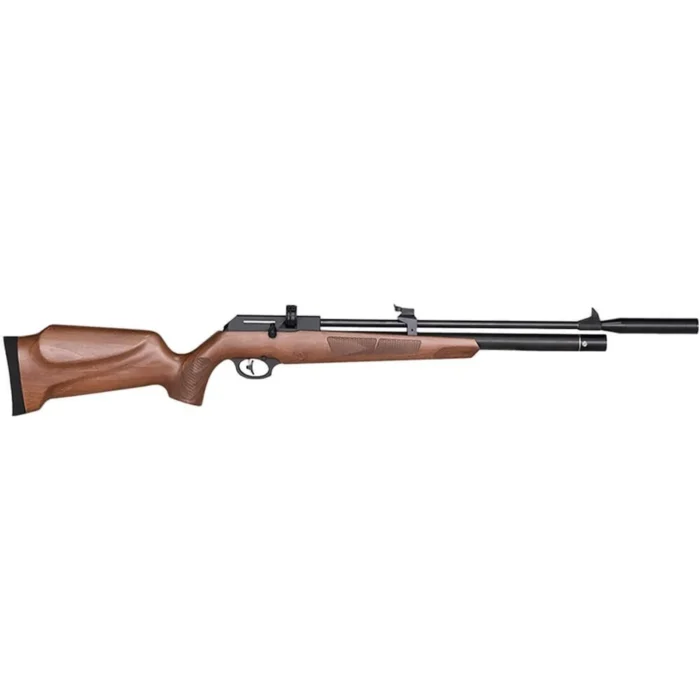
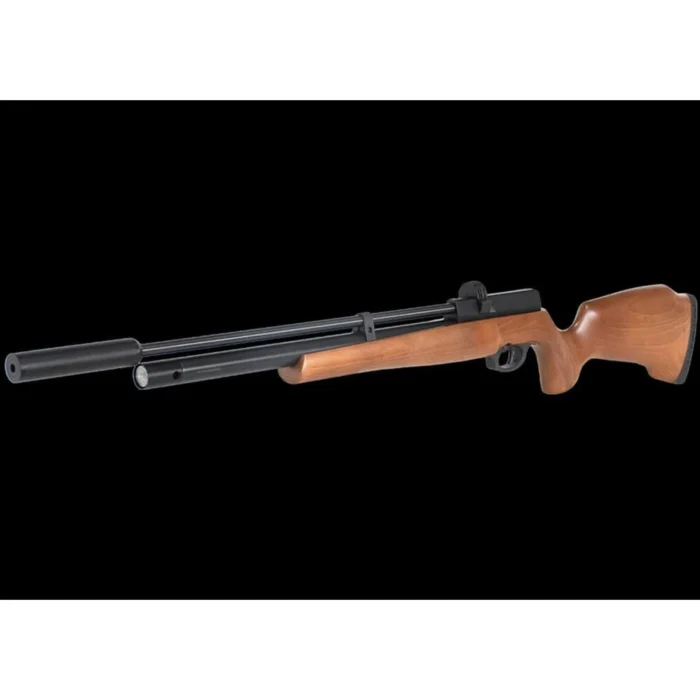
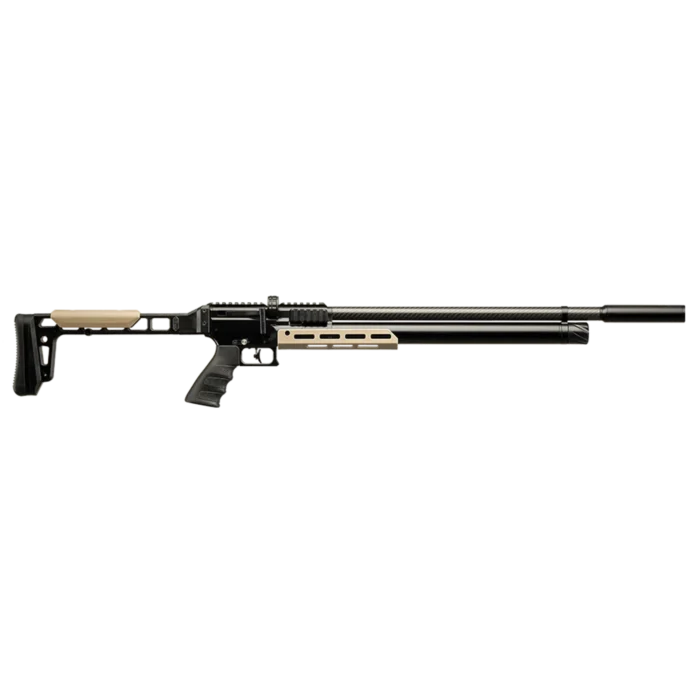
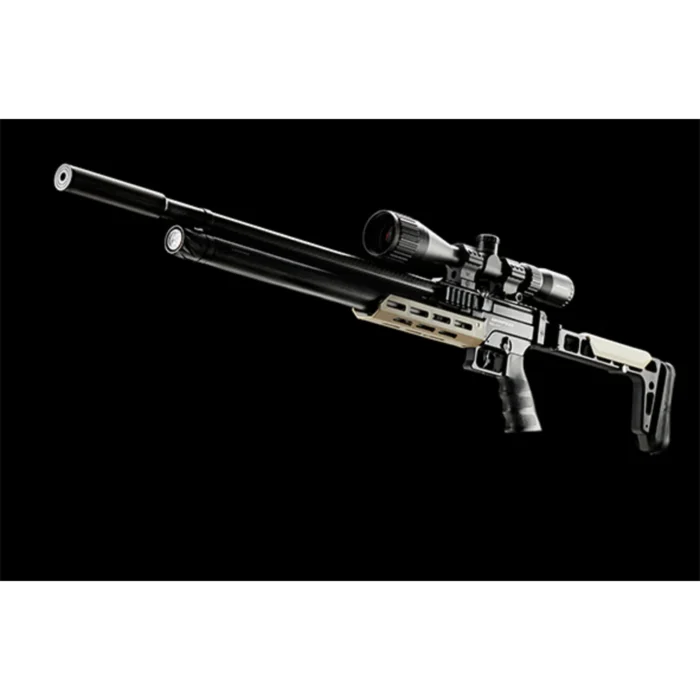
The Snowpeak PR900S G3 Lynx is a modern and versatile PCP air rifle that perfectly combines performance and ease of use at a great price!
This third generation within the popular PR900 series has been further refined and is equipped with a built-in regulator.
This regulated PCP system ensures consistent and stable energy output across the entire usable pressure range, resulting in highly consistent shot performance.
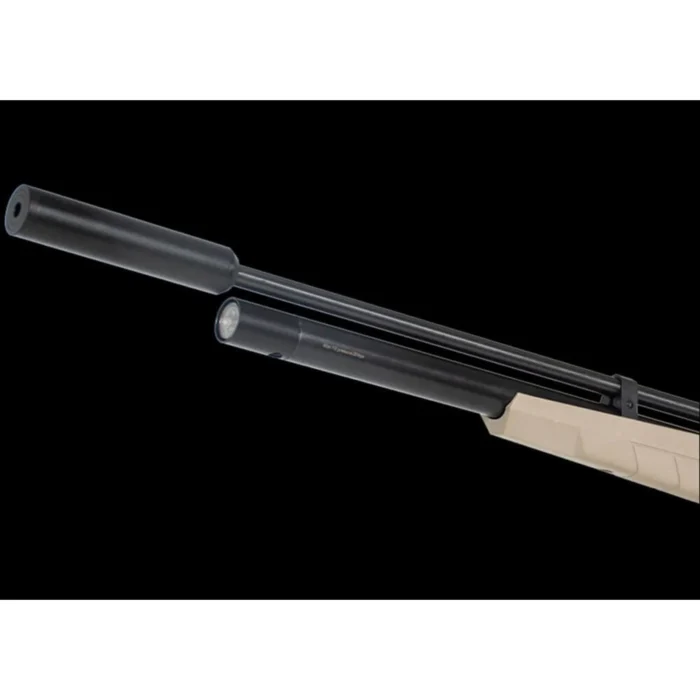
The enlarged 130cc air cylinder (30cc more than its predecessor) provides extra shots per fill.
Designed for Use with a Scope
Unlike its predecessors, the G3 does not feature open sights. This is because the rifle is specifically designed for use with a scope.
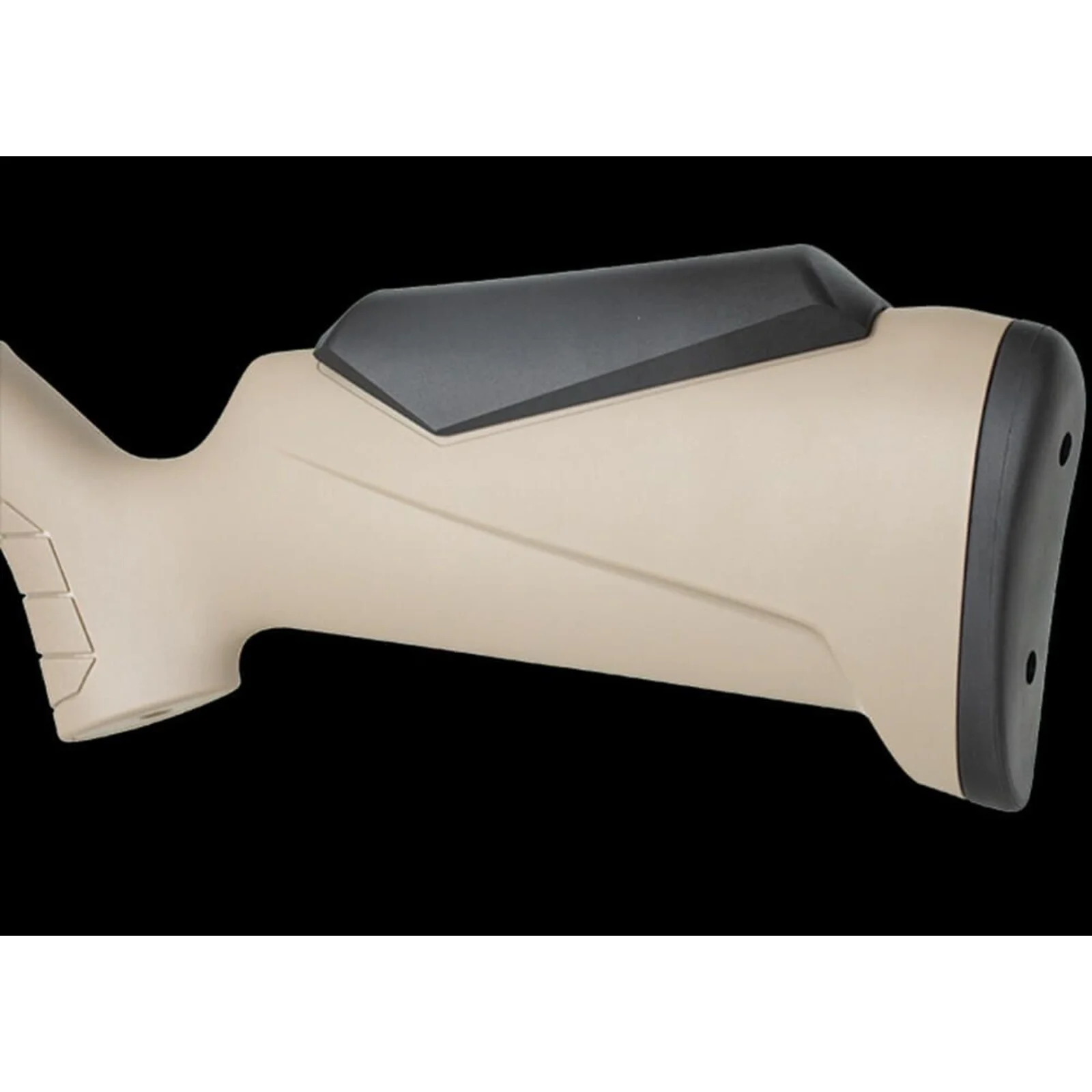
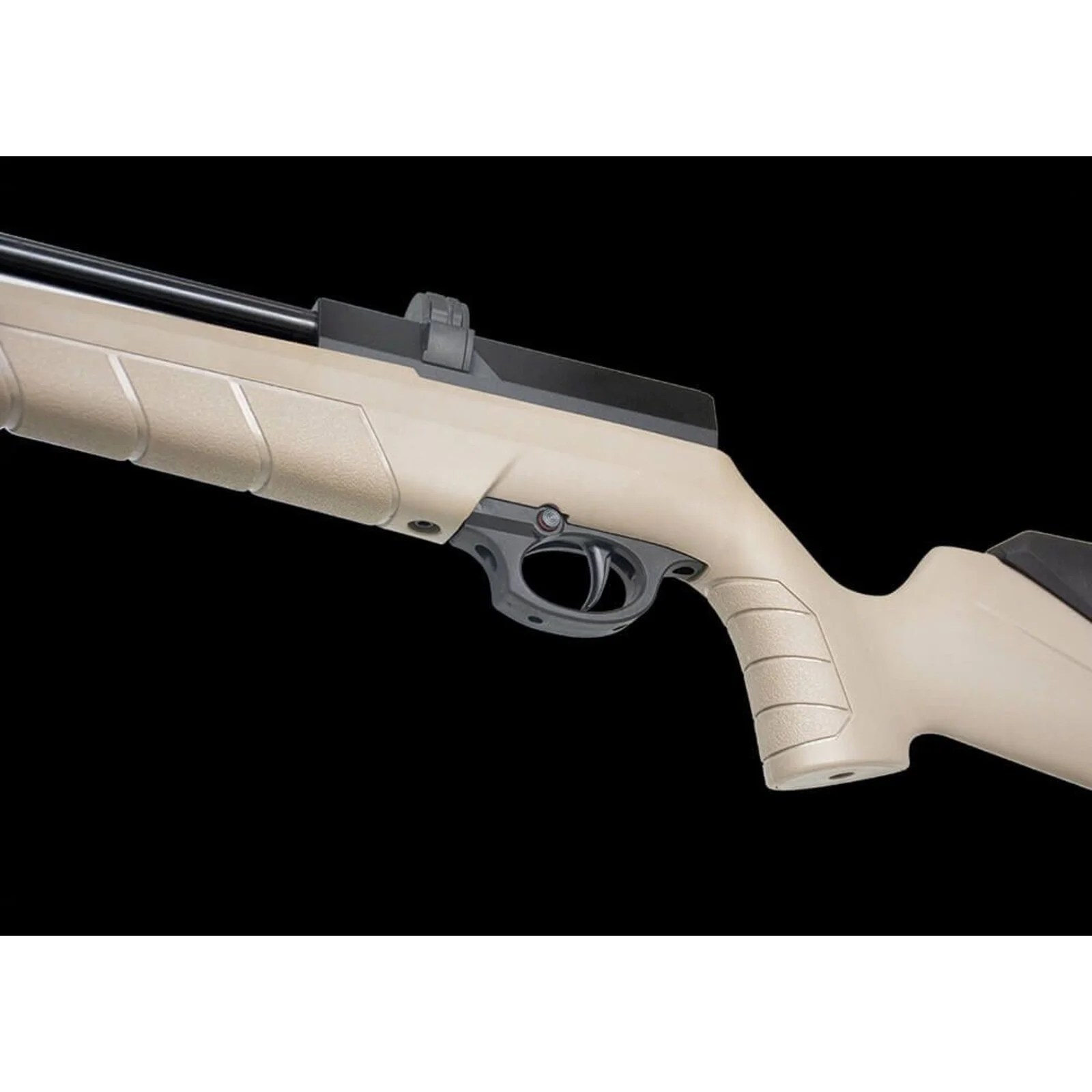
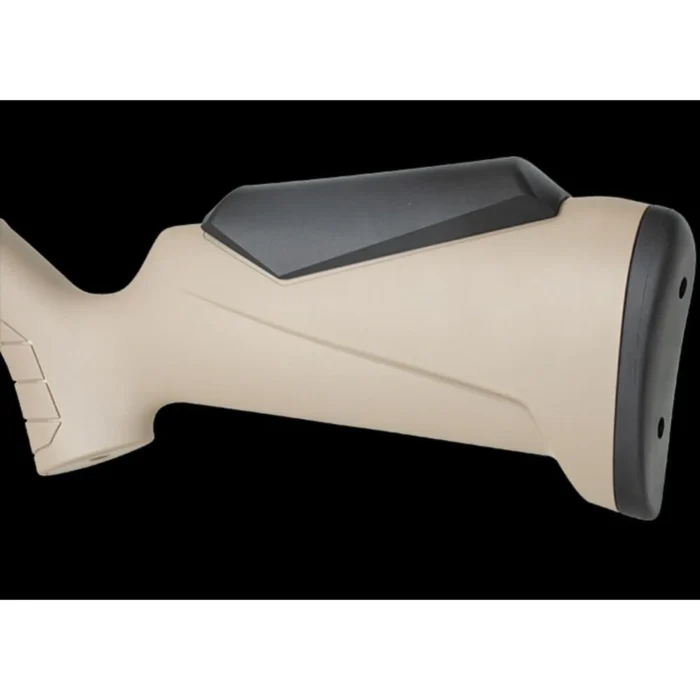
The low-maintenance synthetic stock has a comfortable design and features a rubber butt pad and raised cheek piece for a stable and comfortable shooting position when using optics.
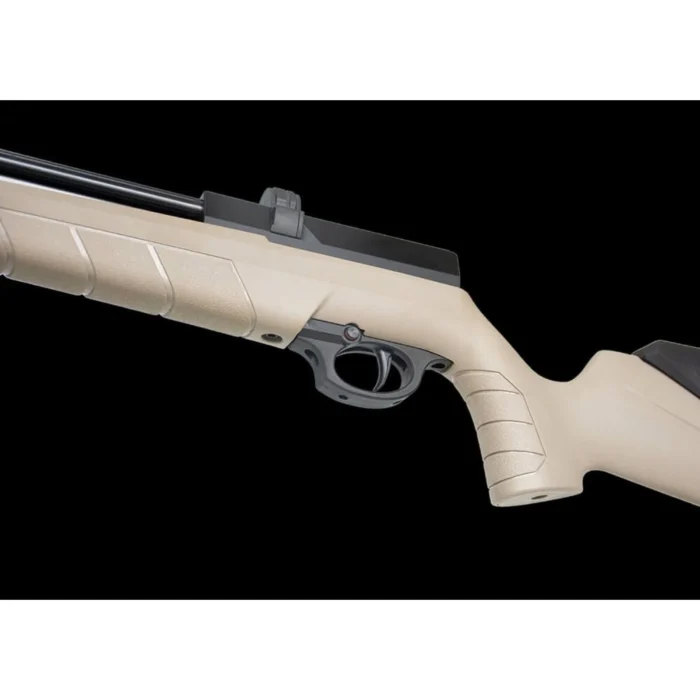
For mounting a scope, the air rifle is fitted with an 11mm dovetail rail.
This allows virtually any compatible scope to be mounted; such as a precise optical scope like the popular Hawke Vantage 3-9×40 AO.
If you plan to use the PR900 G3 as a budget-friendly option for pest control, a suitable night vision optic can also be mounted on this accurate rifle.
As long as you use 11mm mounts, you’ll have no issues fitting your preferred optic.
Have questions about optics? Feel free to get in touch, we’re happy to help!
Using the PR900 G3
The improved, adjustable two-stage trigger provides controlled and predictable trigger pull, while the smooth side-lever mechanism ensures quick and pleasant operation.
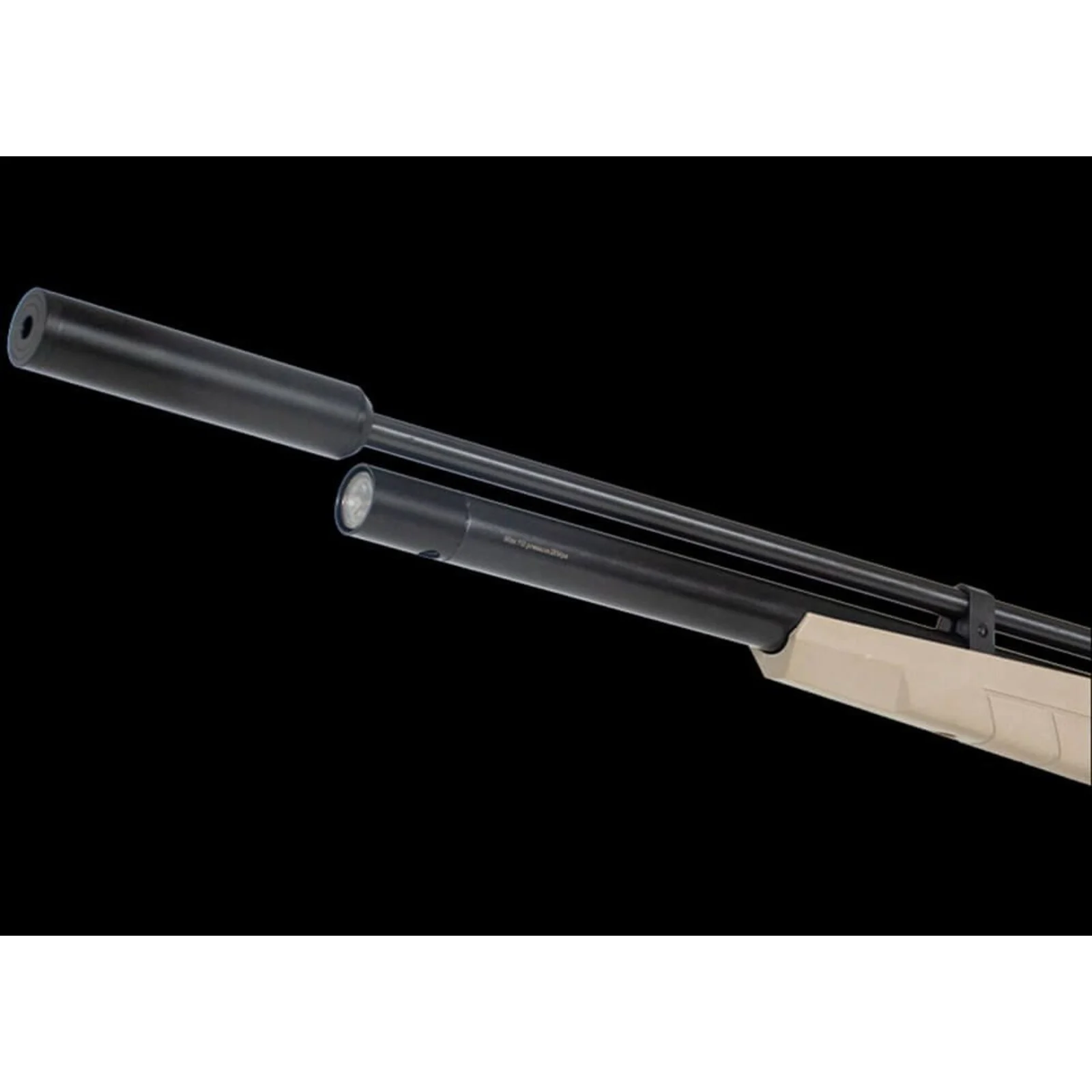
Thanks to the integrated moderator, muzzle noise is effectively reduced.
The PR900 G3 lynx is pressurized using the included fill probe.
This probe does not have threads but uses a Foster connection.
The air source (tank, compressor) must therefore have a female Foster coupling.
The PR900 G3 also uses a new and improved magazine design compared to earlier models.
The rotating magazine has a generous capacity depending on caliber:
- 4.5 mm / .177 – 12 shots
- 5.5 mm / .22 – 10 shots
- 6.35 mm / .25 – 10 shots
With its reliable engineering, increased capacity, and ergonomic design, the Snowpeak PR900S G3 Lynx is an excellent choice for both recreational shooters and more advanced users.
| Power source: | Pre compressed pneumatic (PCP) |
| Caliber: | 4.5mm | 5.5mm (.22) | 6.35 (.25) |
| Muzzle energy: | 25 | 41 | 43 joules |
| Fill pressure: | 250 bar |
| Air capacity: | 130cc |
| Regulator: | Yes |
| Operating system: | Sidelever |
| Magazine: | 12 | 10 | 10 |
| Max. projectile length: | 10.9mm |
| Optic mounting: | 11mm dovetail |
| Weight: | 2500 grams |
| Length: | |
| Barrel length: | 485mm |
| Muzzle: | Moderator included |
| Accessories: | Magazine, fill probe (foster), spare o-rings |
Snowpeak PR900S Lynx Synthetic – Regulated Gen 3 PCP Air Rifle with Durable Synthetic Stock
Why Choose the Snowpeak PR900S Lynx Synthetic for Outstanding PCP Performance
The Snowpeak PR900S Lynx Synthetic represents an excellent evolution in accessible PCP technology. This regulated air rifle delivers strong performance while maintaining lightweight handling and everyday practicality, making it a smart choice for shooters moving up from springers or seeking a versatile, budget-friendly PCP option.
Snowpeak Airguns Heritage and Reliability
Snowpeak airguns and snowpeak sports have built a solid reputation for delivering feature-packed, value-driven airguns. The brand’s lineup, including models like the snowpeak ap900 and snowpeak max, consistently emphasizes innovation and reliability that appeal to both new and experienced enthusiasts.
Exploring the Broader Snowpeak Lineup
Shooters often compare options across the range, such as the snowpeak pp750, pp750, and snow peak pp750 series. Pistol variants like the Snowpeak PP750L PCP Air Pistol, Snowpeak Air Pistol, PCP Pistol, Airgun Pistol, High power PCP air pistol, and Snowpeak PP750L PCP Air Pistol for sale offer compact alternatives, while rifle platforms expand capabilities further.
Key Models and Comparisons
Popular choices include the snowpeak p35x, pr900 gen 3, snowpeak p35, p35x pcp, and snowpeak m25. Many evaluate the snowpeak p35 vs p35x when considering upgrades. Other notable entries like the snowpeak m60b, snow peak pp20, p35, p35x, ap900b pcp air rifle, snowpeak m60, m25 rifle, m25 weapon, and m50 rifle showcase the brand’s versatility across power levels and configurations.
Value and Pricing Insights
Buyers frequently reference the snowpeak max 1 price and overall affordability within snow peak equipment. This makes exploring the full lineup, including pcp p 35 and related options, worthwhile for finding the perfect match.
Understanding PCP Technology
For those wondering what is a pcp airgun, the Snowpeak PR900S Lynx Synthetic serves as an ideal introduction. As a pcp pellet rifle, it uses compressed air for low-recoil, multi-shot performance with superior consistency compared to traditional spring or CO2 systems. Similar designs, such as the pistolet pcp arcea-snowpeak onix sport, reflect the technology’s global appeal.
Brand Background and Support
The snow peak brand origin focuses on making high-quality airguns accessible. Owners benefit from responsive snow peak customer service and a wide selection of air gun accessories. Details like how much did the m60 weigh often arise in discussions, alongside unique references such as t rex 6000, snowfall gun, or hp300 and pellet 9mm compatibility in various models. Snowpeaks continue to attract loyal users worldwide.
Precision Engineering in the Lynx Synthetic
The Snowpeak PR900S Lynx Synthetic excels with its built-in regulator, quality rifled barrel, and ergonomic synthetic stock. This combination ensures excellent accuracy, manageable weight around 2.5 kg, and reliable performance suitable for various shooting disciplines.
Why You Should Use the Snowpeak PR900S Lynx Synthetic You should choose this rifle because it offers regulated consistency, lightweight portability, and strong value in a durable package. It bridges the gap between entry-level and premium options, providing enjoyable, accurate shooting for pest control, small game hunting, and target practice without high costs or complexity.
How the Snowpeak PR900S Lynx Synthetic Works Fill the 130cc reservoir to 250 bar using a pump or tank. The regulator stabilizes pressure for uniform shots. Load the rotary magazine (capacity varies by caliber: 12 in .177, 10 in .22/.25), insert it, and operate the bolt to chamber pellets. The two-stage adjustable trigger and moderator enhance control and quiet operation for smooth, repeatable performance.
Where to Enjoy the Snowpeak PR900S Lynx Synthetic Use this versatile pcp pellet rifle at approved ranges, private land for pest control, or wooded areas for small game hunting where legal. Its compact size and synthetic stock make it easy to carry in the field or store conveniently at home.
When to Reach for Your Snowpeak PR900S Lynx Synthetic Reach for it during regular practice to build skills, for seasonal hunting outings, or casual plinking sessions. The high shot count per fill supports extended use, making it excellent for both short backyard sessions and full-day field activities.
How Good Is the Precision and Build Quality? Precision is impressive for its class thanks to the regulator minimizing velocity variations and the quality barrel delivering tight groups at practical distances. The Gen 3 synthetic stock provides durability and weather resistance, resulting in a rifle that performs reliably and feels solid in hand.
Important Information About the Gun This is a powerful regulated PCP air rifle capable of significant muzzle energy depending on caliber and tuning. Always comply with local laws regarding ownership, power limits, and use. Key features include the manual safety, 11mm dovetail rail for optics, and compatibility with standard PCP accessories. Maintain by keeping the air system dry and following basic lubrication guidelines. Intended for adult users with proper safety training.
PCP Technology Fundamentals and Air Reservoir Engineering
The foundation of the Snowpeak PR900S Lynx Synthetic lies in its Pre-Charged Pneumatic (PCP) operating system. This technology has transformed the modern airgun industry because it provides a highly efficient method of storing and releasing energy. Unlike spring-powered systems that generate force during the firing cycle, a PCP platform stores compressed air within an onboard reservoir before use. As a result, the firing process becomes smoother, more predictable, and more consistent from shot to shot.
Understanding the engineering behind PCP technology helps explain why these systems have become increasingly popular among recreational shooters, target enthusiasts, and technical hobbyists. The effectiveness of a PCP platform depends largely on the relationship between air storage, pressure regulation, valve performance, and overall system efficiency. Each component must function harmoniously to ensure reliable operation and consistent performance.
Understanding Compressed Air Energy Storage
At the heart of every PCP system is a pressurized air reservoir. This reservoir acts as an energy storage vessel capable of holding compressed air at extremely high pressures. Instead of relying on springs, pistons, or gas rams during each firing cycle, the system stores energy beforehand.
When the trigger mechanism is activated, a valve opens momentarily. A measured quantity of compressed air then moves through the transfer system and propels the projectile forward. Because the air release is carefully controlled, the platform can maintain a high degree of consistency.
This approach offers several engineering advantages. First, mechanical vibration is significantly reduced. Second, recoil characteristics remain relatively mild compared with many alternative systems. Third, the overall shooting experience often feels smoother due to the absence of large moving internal components.
The Importance of Reservoir Design
The air reservoir serves as one of the most critical components within a PCP platform. Engineers must carefully balance volume, strength, weight, and safety requirements when designing this component.
A larger reservoir generally stores more compressed air, which can increase the number of available shots between refills. However, increasing reservoir size also adds weight and may affect handling characteristics. Consequently, manufacturers must determine an optimal balance between capacity and portability.
Modern reservoirs are typically manufactured using high-strength metals designed to withstand repeated pressure cycles over extended periods. Material selection is particularly important because the reservoir must maintain structural integrity while operating under substantial internal pressure.
In addition, surface treatments and protective coatings often help reduce corrosion risks and extend service life. These measures contribute to long-term reliability and user confidence.
Air Pressure and System Efficiency
Pressure management plays a central role in PCP performance. Compressed air contains stored energy, and the amount of available energy depends largely on reservoir pressure.
As pressure decreases during use, the behavior of the firing system can change. Engineers therefore focus heavily on maintaining efficiency throughout the operating cycle. Proper valve design, transfer-port geometry, and reservoir sizing all contribute to effective pressure utilization.
Efficient air management allows a platform to maximize the useful energy extracted from each fill. Consequently, users often benefit from improved shot consistency and reduced refill frequency.
Valve Engineering and Precision Air Release
The valve system functions as the control center of the PCP mechanism. Although it remains relatively small compared with other components, its design significantly influences overall performance.
When activated, the valve opens briefly and releases a precisely controlled quantity of compressed air. The duration of this opening, often measured in milliseconds, directly affects energy transfer efficiency.
Engineers devote considerable attention to valve geometry, spring tension, sealing surfaces, and airflow pathways. Even minor design adjustments can influence consistency, efficiency, and long-term durability.
An effective valve system achieves several objectives simultaneously:
- Consistent air release
- Reliable sealing performance
- Efficient energy transfer
- Reduced air waste
- Long operational lifespan
Because of these requirements, valve engineering remains one of the most technically demanding aspects of PCP development.
The Role of Seals and O-Rings
Although reservoirs and valves receive much of the attention, sealing components are equally important. O-rings and seals prevent compressed air from escaping during storage and operation.
A PCP platform depends on maintaining pressure over extended periods. Even a small leak can reduce efficiency and negatively affect performance. Therefore, manufacturers select sealing materials capable of resisting wear, pressure fluctuations, and environmental exposure.
Modern sealing compounds often provide excellent resistance to temperature variations and mechanical stress. Proper maintenance of these components contributes significantly to long-term reliability.
Airflow Optimization
Airflow management represents another critical area of PCP engineering. Once compressed air leaves the reservoir, it must travel efficiently through internal pathways before reaching the projectile.
Engineers strive to minimize turbulence, unnecessary restrictions, and pressure losses throughout this process. Smooth airflow improves efficiency because more stored energy reaches the projectile rather than being lost within the system.
Several factors influence airflow performance:
- Internal passage dimensions
- Surface smoothness
- Valve geometry
- Transfer-port configuration
- Pressure characteristics
By optimizing these elements, manufacturers can improve overall system efficiency without increasing reservoir pressure.
Consistency and Shot-to-Shot Performance
One of the primary advantages of PCP technology is consistency. Consistent performance results when multiple engineering systems operate together effectively.
Reservoir pressure, valve timing, airflow dynamics, and sealing integrity all influence shot-to-shot repeatability. When these factors remain stable, velocity variation can be minimized.
Consistency is particularly valuable because it enhances predictability. Users often appreciate platforms that deliver repeatable performance characteristics over extended shooting sessions.
Ergonomics and Weight Distribution
Engineering extends beyond internal mechanisms. External design considerations also play an important role in overall performance.
Weight distribution affects balance, handling, and user comfort. Designers therefore evaluate how the reservoir, stock, barrel assembly, and supporting components interact as a complete system.
A well-balanced platform generally feels easier to control and more comfortable to carry during extended use. Consequently, manufacturers often invest substantial effort in optimizing component placement.
Durability and Long-Term Reliability
Modern PCP platforms are expected to operate reliably over many years. Durability therefore becomes a major engineering objective.
Several factors contribute to long-term reliability:
- High-quality materials
- Precision manufacturing
- Corrosion-resistant finishes
- Robust sealing systems
- Efficient pressure management
- Proper component tolerances
When these elements are combined successfully, the resulting platform can provide dependable service while requiring relatively modest maintenance.
The Future of PCP Engineering
PCP technology continues to evolve as manufacturers pursue greater efficiency, improved consistency, and enhanced user experience. Advances in materials science, precision machining, and airflow modeling are expected to influence future designs significantly.
Emerging developments may include lighter reservoir materials, improved valve architectures, more advanced pressure regulation systems, and enhanced manufacturing techniques. As these innovations become more widespread, PCP platforms will likely continue improving in efficiency, durability, and overall engineering sophistication.
Synthetic Stock Construction, Ergonomics, and User-Centered Design
The design of a modern air rifle extends far beyond its internal operating system. While the pneumatic mechanism often receives the most attention, the stock plays an equally important role in determining comfort, handling characteristics, durability, and overall user experience. For this reason, manufacturers devote significant engineering resources to stock development, ensuring that the rifle remains practical, reliable, and comfortable throughout years of use.
The adoption of synthetic materials represents one of the most significant developments in modern sporting equipment design. Advances in polymer engineering have allowed manufacturers to create lightweight yet durable structures capable of withstanding demanding environmental conditions. As a result, synthetic stocks have become increasingly common across numerous shooting disciplines and outdoor applications.
Evolution of Stock Design
Historically, wooden stocks dominated the market because wood offered a combination of strength, workability, and visual appeal. Skilled craftsmen could shape wooden stocks into ergonomic forms while preserving structural integrity. For many decades, this approach served as the industry standard.
However, changing consumer expectations and advances in manufacturing technology encouraged the development of alternative materials. Users increasingly demanded products that required less maintenance, resisted environmental damage, and maintained consistent performance under varying conditions.
Consequently, synthetic stock construction emerged as a practical solution. Modern polymers provide excellent durability while reducing susceptibility to moisture absorption, temperature fluctuations, and surface deterioration.
Advantages of Synthetic Materials
One of the primary benefits of synthetic construction is environmental resistance. Traditional wood naturally reacts to humidity and temperature changes. Over time, expansion and contraction can affect dimensions and overall stability.
Synthetic materials largely eliminate these concerns. Because polymers absorb significantly less moisture, dimensional stability remains more consistent across a wide range of environmental conditions.
Additional advantages include:
- Reduced maintenance requirements
- Enhanced resistance to scratches and impacts
- Improved weather tolerance
- Consistent structural properties
- Lower overall weight
- Long-term durability
These characteristics make synthetic stocks particularly attractive for users who frequently operate in changing outdoor environments.
Structural Engineering Considerations
Creating a synthetic stock involves far more than molding a simple exterior shell. Engineers must carefully analyze stress distribution, material thickness, reinforcement requirements, and ergonomic geometry.
The stock serves several important functions simultaneously:
- Supporting the action
- Providing structural stability
- Assisting with balance
- Protecting internal components
- Enhancing user comfort
Because these functions interact closely, designers utilize computer modeling and physical testing to optimize structural performance.
Areas exposed to higher stress often receive additional reinforcement. These reinforcements help maintain rigidity while minimizing unnecessary weight.
Weight Reduction and Balance
Weight plays a major role in determining how comfortable a rifle feels during extended use. Excessive weight can lead to fatigue, while insufficient weight may reduce stability.
Manufacturers therefore strive to achieve an effective balance between strength and portability. Synthetic materials contribute significantly to this goal because they provide excellent strength-to-weight characteristics.
Proper weight distribution can improve:
- Handling responsiveness
- Carrying comfort
- Shooting stability
- User confidence
- Overall maneuverability
Rather than concentrating mass in a single location, engineers often seek balanced designs that distribute weight evenly throughout the platform.
Ergonomics and Human Factors Engineering
Modern product development places considerable emphasis on human factors engineering. This discipline focuses on understanding how users interact with equipment and how design choices influence comfort, efficiency, and usability.
When developing a stock, engineers evaluate numerous ergonomic variables, including:
- Grip angle
- Reach dimensions
- Shoulder positioning
- Trigger access
- Wrist alignment
- Natural body posture
These factors contribute directly to the overall shooting experience.
An effective ergonomic design helps users maintain a comfortable and repeatable position. Consequently, fatigue may be reduced during longer sessions, allowing for a more enjoyable experience.
Grip Design and Control
The grip area represents one of the most frequently contacted portions of the rifle. Because of this, designers devote substantial attention to grip geometry and texture.
A properly designed grip should:
- Provide secure hand placement
- Promote natural wrist alignment
- Enhance comfort
- Improve control
- Accommodate various hand sizes
Textured surfaces are often incorporated to increase traction while minimizing slippage. These textures may consist of molded patterns, stippling, or strategically placed grip panels.
By improving contact between the user and the stock, grip enhancements can contribute to greater confidence and control.
Fore-End Design and Support
The fore-end serves as the primary support area for the non-dominant hand. Therefore, its dimensions and shape significantly influence handling characteristics.
Designers generally seek to create a fore-end that offers:
- Comfortable support
- Stable positioning
- Balanced weight distribution
- Reduced fatigue
- Consistent hand placement
The width and contour of the fore-end affect how naturally the platform rests in the user’s hand. As a result, careful shaping can improve overall comfort during prolonged use.
Surface Texture and User Interaction
Surface texture plays a subtle but important role in product design. Smooth surfaces may appear attractive, yet they can become difficult to control when exposed to moisture or changing weather conditions.
For this reason, many synthetic stocks incorporate textured regions in high-contact areas. These textures increase friction while preserving comfort.
Engineers must balance several considerations when developing these surfaces:
- Grip effectiveness
- User comfort snowpeak pp20
- Manufacturing efficiency
- Durability
- Ease of cleaning
The resulting design seeks to enhance functionality without introducing unnecessary complexity.
Durability Under Real-World Conditions
Outdoor equipment must withstand a variety of environmental challenges throughout its service life. Exposure to moisture, dust, sunlight, impacts, and temperature changes can gradually degrade materials if proper engineering precautions are not taken.
Synthetic stocks offer several advantages in this regard. Their resistance to moisture and environmental exposure helps preserve appearance and structural integrity over extended periods.
Furthermore, modern polymers often demonstrate excellent impact resistance. Minor bumps and scratches that might affect traditional materials generally have less influence on synthetic structures.
Be the first to review “Snowpeak PR900S Lynx Synthetic”
Related products
Snowpeak Airguns
Snowpeak Airguns
Snowpeak Airguns
Snowpeak Airguns
Snowpeak Airguns
Snowpeak Airguns
Snowpeak Airguns
Snowpeak Airguns
Reviews
There are no reviews yet.