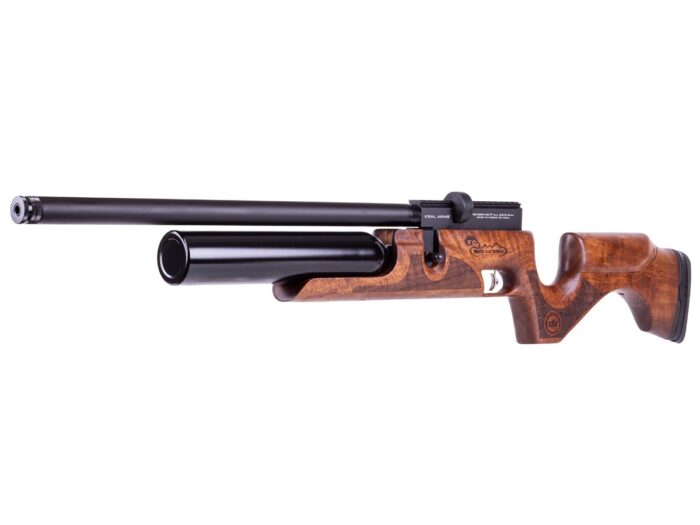
Kral Arms Puncher Bighorn PCP Air Rifle
Price range: €350.00 through €450.00
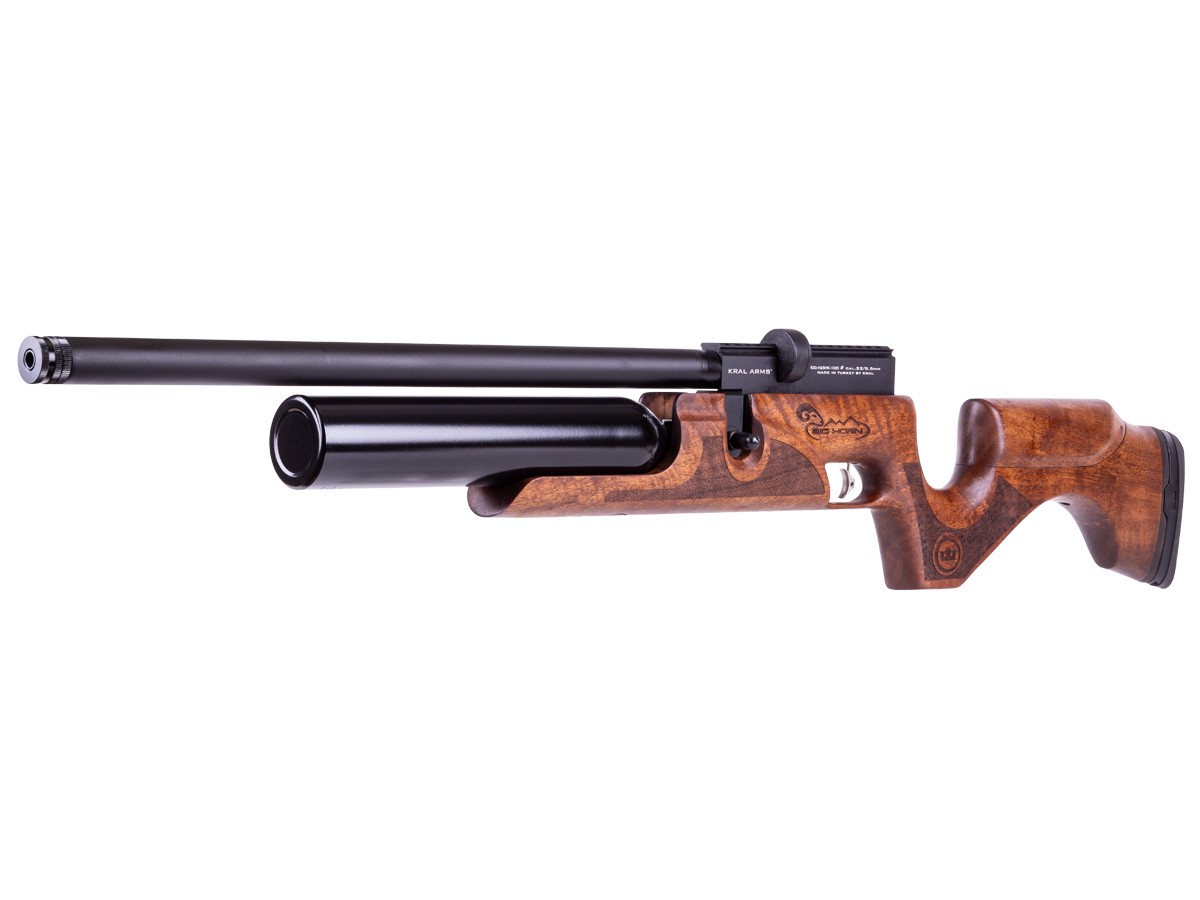
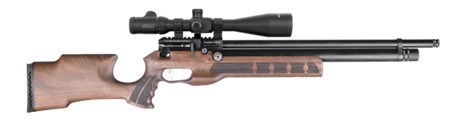
The Kral Arms Puncher Bighorn is a Turkish walnut-stocked PCP with serious caliber range — available from .22 all the way up to .35 caliber, this is a platform that can grow with you from small game into genuine big-game airgun hunting territory. Kral builds solid, well-featured PCPs at competitive prices, and the Bighorn is one of their better efforts.
With .22 cal hitting up to 1,200 fps, .25 cal at 1,100 fps, .30 cal at 900 fps, and .35 cal at 880 fps, there’s a caliber here for nearly every hunting application. The Turkish walnut stock gives it a premium look and feel that belies the price tag.
- Calibers available: .22 cal (1,200 fps), .25 cal (1,100 fps), .30 cal (900 fps), and .35 cal (880 fps)
- Turkish walnut stock — attractive, durable, and naturally grain-matched
- PCP platform for regulated, consistent performance across the shot string
- Wide caliber selection from small pest control up to big-game hunting
Whether you’re chasing squirrels in .22 or stepping up to .35 for something bigger, the Bighorn gives you a quality wood-stocked PCP at a price that makes sense — give us a call and we’ll help you pick the right caliber.
| .22 Cal,Turkish Walnut, .25 Cal, Turkish Walnut, 30 Cal, Turkish Walnut, .35 Cal, Turkish Walnut | |
| Brand |
Kral Arms |
|---|
Kral Arms Puncher Bighorn PCP Air Rifle – Technical Product Guide
Understanding the Kral Arms Puncher Bighorn PCP Air Rifle
Kral and Kral Arms Manufacturing Background
Kral and Kral Arms are names associated with a Turkish manufacturer producing sporting firearms and airguns. Search variations such as krale, kiral, and krale airguns are also commonly encountered by people researching the brand.
The company offers several different product families, so terminology matters. Searches involving Kral air rifle, Kral Arms airguns, Kral Arms PCP Rifle, and pcp air gun generally relate to its pneumatic sporting products, whereas firearm-related terms refer to separate platforms governed by different technical and legal requirements.
Kral Puncher Series
The Kral Puncher Series encompasses multiple PCP configurations developed around compressed-air propulsion. Familiar names include Kral Puncher PCP, Kral Puncher, Puncher Mega, shadow puncher, and other model-specific configurations.
The Bighorn belongs within this broader engineering family but should be evaluated according to its own specifications. Names such as Kral NP 02, puncher auto, Kral Puncherk, air rifle pop, and np500 may appear in searches surrounding Kral equipment, but they should not automatically be treated as alternative names for the Bighorn.
PCP technology stores compressed air inside an onboard reservoir. That stored energy provides the pneumatic force used by the system, differentiating PCP equipment from spring-powered designs.
Bighorn Construction and Design Philosophy
The Bighorn platform places significant emphasis on structural balance. A precision-oriented air rifle must maintain a consistent relationship between the barrel assembly, receiver, stock, air reservoir, and operating mechanism.
Stock geometry affects how naturally the equipment can be supported, while overall dimensions influence handling. Material selection additionally affects weight distribution and durability.
Consequently, evaluating the Bighorn involves more than concentrating on a single specification. Ergonomics, construction quality, pneumatic consistency, and appropriate maintenance contribute collectively to its overall character.
Understanding PCP Performance
A pcp air gun operates differently from traditional spring-powered equipment. Compressed air is stored before use and subsequently managed by the rifle’s pneumatic system.
The principal advantage of this architecture is repeatability. By eliminating the large spring movement associated with traditional spring-piston systems, PCP designs can provide a relatively stable firing cycle.
However, performance still depends on projectile selection, equipment condition, fill pressure within manufacturer limits, environmental conditions, and individual technique.
Users researching rifles pcp 5.5 may encounter Bighorn configurations in that caliber category, although availability and specifications vary geographically.
Precision and Accuracy Considerations
Mechanical precision begins with consistent manufacturing, but practical accuracy is determined by the complete system.
Barrel quality, ammunition consistency, pneumatic behavior, sighting equipment, and shooter technique all influence grouping performance. Environmental conditions become increasingly relevant as distance increases.
For that reason, claims about a universally “best” accuracy figure should be treated cautiously unless the testing methodology, caliber, ammunition, conditions, and exact rifle configuration are known.
The Bighorn’s precision potential is better understood through repeatable performance than isolated velocity or energy figures.
Kral Puncher Breaker and Related Platforms
Researching the Bighorn frequently produces results for the Kral Puncher Breaker Air Rifle, Kral Arms Puncher Breaker PCP Air Rifle, Kral Puncher Breaker, Kral Puncher Breaker Synthetic, and Kral Puncher Breaker Walnut.
These are related Kral products rather than names that should automatically be substituted for the Bighorn.
Similarly, searches for Kral Puncher Breaker review usually concern the Breaker platform specifically. Comparing related models can provide useful information about Kral’s broader design philosophy, but specifications should remain separated when evaluating individual products.
Wider Kral Product Terminology
Kral’s broader catalog explains why searches surrounding the manufacturer can produce terms such as KR9, KR9 rifle, KR-101, kr 101, KP12, K12 shotgun, and ST-500.
Other searches—including A12 shotgun, A12 gun, XM shotgun, shotgun xm, 410 shotgun semi auto magazine fed, and tactical tundra—refer to firearm categories or unrelated product terminology rather than defining characteristics of the Bighorn PCP platform.
Likewise, terms such as rifle 223, 223 rifles, 223 arma, arma 223, .223 guns, and rifle cal 22 semiautomatico concern firearm cartridges or firearm categories and should not be confused with pellet-caliber PCP terminology.
Search Terms and Product Identification
Online searches can produce additional phrases such as n_01, Empire X, Bigmax, AKR gun, kalibre pistol, tabancalar, kar gun, shadowf, rutundra, and tundra tactical.
These terms demonstrate why accurate model identification matters when researching technical equipment. Similar search results do not necessarily indicate compatible components or identical specifications.
The exact manufacturer designation should always be verified before using technical documentation or maintenance information.
Maintenance and Long-Term Reliability
A PCP system requires appropriate maintenance to preserve its performance. External condition, seals, pneumatic components, stock hardware, and other manufacturer-specified service points should receive periodic attention.
Because compressed air is stored at high pressure, servicing pressure-bearing components should follow the manufacturer’s documentation and be handled by qualified personnel when specialized work is required.
Proper storage also contributes to long-term reliability by protecting the rifle from excessive moisture, contamination, and physical damage.
Overall Technical Perspective
The Kral Arms Puncher Bighorn PCP Air Rifle combines pneumatic technology, substantial construction, ergonomic design, and precision-oriented engineering within the broader Kral Puncher family.
Its performance should be assessed through the exact caliber and market configuration rather than generalized specifications from similarly named products. Moreover, responsible use requires appropriate eye protection, secure storage, suitable backstops, observance of local law, and careful adherence to the manufacturer’s operating and maintenance requirements.
For adult sporting users, the Bighorn demonstrates how modern PCP engineering can combine consistent pneumatic operation with a practical, performance-focused air-rifle platform.
Engineering Quality, Performance Characteristics, and Practical Handling
The Kral Arms Puncher Bighorn is built around a pre-charged pneumatic system that combines mechanical construction, compressed-air management, barrel quality, and ergonomic design. Understanding these elements provides a clearer picture of how the platform performs during legitimate sporting and recreational use. Rather than judging quality through a single specification, the complete design should be considered, including consistency, handling, durability, maintenance requirements, and the relationship between the equipment and its user.
Engineering and Construction Quality
Construction quality provides the foundation for dependable performance. The receiver, barrel assembly, stock, reservoir, operating mechanism, and supporting hardware must remain correctly aligned for the system to maintain its intended characteristics.
Material selection also influences durability and handling. Metal components provide structural strength where necessary, while the stock creates the primary interface between the equipment and the user.
Attention to manufacturing tolerances is particularly important because small variations can influence consistency. For this reason, quality should be evaluated through the complete assembly rather than appearance alone.
Understanding Pneumatic Performance
A pre-charged system stores compressed air inside an onboard reservoir. This stored energy allows the mechanism to operate without the large moving spring assembly found in traditional spring-powered designs.
One advantage of this architecture is the relatively smooth firing cycle. Reduced mechanical movement can make the equipment easier to hold consistently.
However, pneumatic performance still depends on system condition. Seals, internal components, pressure-bearing parts, and other elements must remain within their intended operating specifications.
The manufacturer’s instructions should always determine appropriate pressure limits and servicing requirements.
Consistency and Precision
Precision depends heavily on repeatability. When the equipment operates consistently from one cycle to another, the user has a stronger foundation for evaluating practical performance.
Several factors influence this consistency. Mechanical condition, projectile quality, environmental conditions, and user technique can all affect results.
Therefore, an isolated successful group does not necessarily demonstrate the full capability of the platform. Repeated testing under controlled and safe conditions provides a more meaningful indication of consistency.
Good equipment gives the user predictable behavior rather than relying solely on maximum performance figures.
Barrel and Projectile Relationship
The barrel plays an important role in overall performance because it provides the final controlled path before the projectile leaves the system.
Manufacturing quality, internal condition, and appropriate projectile selection all influence consistency.
Different projectile designs can behave differently even when they share the same nominal caliber. Weight, dimensions, material consistency, and manufacturing tolerances can affect results.
For that reason, users should follow manufacturer recommendations and evaluate compatible ammunition responsibly rather than assuming that every option will produce identical performance.
Ergonomics and Practical Handling
Ergonomics influence how naturally the equipment can be supported and controlled. Stock shape, overall length, balance, and weight distribution all contribute to the user experience.
A well-balanced platform can feel more manageable because the weight is distributed appropriately across the system.
Comfort also matters during longer recreational sessions. An awkward position can introduce unnecessary fatigue, while suitable ergonomics help the user maintain a consistent and controlled posture.
Individual preferences differ, so handling characteristics should always be considered alongside technical specifications.
Trigger Characteristics and User Control
The trigger forms an important interface between the mechanical system and the user. Predictability is particularly valuable because it allows consistent operation without unnecessary disturbance to the shooting position.
A controlled firing process depends on both mechanical characteristics and responsible technique.
Users should become familiar with the manufacturer’s instructions before operating or adjusting any component. Unauthorized modifications can affect reliability, warranty coverage, and safety.
Professional servicing is preferable whenever technical work extends beyond routine owner maintenance.
Practical Accuracy Factors
Real-world accuracy is produced by several factors working together. Equipment condition provides the mechanical foundation, while ammunition consistency and user technique influence the final result.
Environmental conditions can also affect performance. Wind, temperature, and shooting distance introduce variables that may change results between sessions.
A stable and appropriate sporting environment therefore provides a better basis for evaluating performance.
Users should always employ a suitable backstop and ensure that the surrounding area is controlled before any recreational or target activity begins.
Durability and Repeated Use
Durability involves more than strong external materials. Internal components must also maintain reliable operation through repeated cycles.
Regular inspection helps identify loose hardware, damaged seals, contamination, or unusual changes before they develop into larger problems.
Equipment should never be operated when damage is suspected. Pressure-related concerns deserve particular attention because the reservoir stores significant pneumatic energy.
Qualified professional assessment should be obtained whenever the integrity of pressure-bearing components is uncertain.
Maintenance and Storage Considerations
Proper storage contributes directly to long-term equipment condition. The platform should be protected from excessive moisture, dirt, unauthorized access, and unnecessary impacts.
External surfaces should be maintained according to manufacturer guidance, while specialized internal servicing should be left to appropriately qualified personnel.
Secure storage is especially important in households where children or unauthorized individuals may otherwise gain access.
Responsible ownership includes controlling access even when the equipment is not being used.
Safety as Part of Performance
Performance and safety should never be separated. A technically capable platform can only be used responsibly when basic precautions are consistently followed.
Appropriate eye protection, awareness of the surrounding area, secure handling, and a dependable backstop are fundamental considerations.
Local regulations should also be checked because legal requirements for ownership, power levels, transportation, and use vary between jurisdictions.
Overall Performance Perspective
The Puncher Bighorn demonstrates how pneumatic engineering, mechanical construction, ergonomics, and precision can be combined within a modern sporting platform.
Its practical value comes from the complete package rather than one headline specification. Consistency, comfortable handling, appropriate maintenance, construction quality, and predictable operation collectively determine the ownership experience.
When properly maintained and used responsibly, the system provides a technically sophisticated platform for lawful sporting and recreational applications. Long-term performance ultimately depends on respecting manufacturer requirements, maintaining equipment condition, selecting appropriate compatible components, and keeping safe handling practices central to every use.
Build Quality, Long-Term Durability, Maintenance, and Ownership Experience
The Kral Arms Puncher Bighorn has been developed as a substantial sporting platform where construction quality and responsible maintenance contribute directly to long-term performance. Although initial specifications provide useful information when evaluating equipment, ownership extends well beyond the first use. Material condition, storage practices, servicing, regular inspection, and careful handling all influence how consistently the system performs throughout its working life.
Understanding Overall Build Quality
Build quality begins with the relationship between individual components. The barrel assembly, receiver, stock, operating mechanism, reservoir, and supporting hardware must work together as one integrated system.
Precision manufacturing helps maintain proper alignment and consistent operation. However, durability also depends on how the equipment is treated after leaving the factory.
Regular inspection can help identify changes before they develop into more significant concerns. Loose components, unusual wear, or visible damage should receive attention rather than being ignored.
A well-maintained platform provides a stronger foundation for predictable long-term performance.
Stock Construction and Ergonomics
The stock provides the primary physical connection between the equipment and the user. Consequently, its shape and condition influence comfort, balance, and practical handling.
Good ergonomics can reduce unnecessary fatigue during legitimate recreational use. When the platform feels naturally balanced, the user can maintain a comfortable position without applying excessive pressure or making constant corrections.
Stock condition should also be monitored. Scratches may be primarily cosmetic, while cracks or structural damage require greater attention.
Any significant damage should be evaluated before continued use.
Metal Components and Surface Protection
Metal components provide structural support throughout the system and require appropriate protection against environmental exposure.
Moisture is one of the most common long-term concerns. Equipment stored in damp environments can experience surface deterioration, particularly when it receives limited attention for extended periods.
After exposure to unfavorable conditions, external surfaces should be inspected and maintained according to manufacturer guidance.
Harsh chemicals or unsuitable cleaning products should be avoided because they may affect finishes, seals, or other materials.
Pneumatic System Condition
The compressed-air system is a central part of the platform and requires careful management.
Pressure-bearing components should always be treated according to manufacturer requirements. Damage, corrosion, leakage, or unusual behavior should never be ignored.
Because stored compressed air contains significant energy, repairs involving the reservoir or internal pressure system should be handled by appropriately qualified personnel.
Attempting unauthorized internal modifications can create unnecessary risk and may compromise reliability.
Seal Performance and Long-Term Consistency
Seals are important components within pneumatic equipment because they help maintain pressure where required.
Over time, sealing components can be influenced by age, contamination, environmental conditions, and normal use. A noticeable change in pressure retention may indicate that professional assessment is necessary.
Owners should avoid assuming that every pressure-related issue can be solved through simple adjustments. Correct diagnosis helps prevent unnecessary work and protects other components from accidental damage.
Importance of Routine Inspection
Routine observation is one of the simplest ways to preserve equipment condition.
Before legitimate recreational use, the user can visually examine external components for obvious damage or unusual changes. This does not replace professional servicing, but it can help identify situations requiring further attention.
Equipment that has been dropped, exposed to contamination, or stored under poor conditions deserves additional consideration.
If its condition is uncertain, professional inspection should take priority over continued operation.
Cleaning and General Care
Regular care helps preserve both appearance and mechanical condition. Dirt, moisture, and debris should not be allowed to accumulate unnecessarily.
Cleaning methods should remain consistent with manufacturer recommendations. More aggressive cleaning is not automatically better, particularly when specialized materials or sealing components are involved.
The objective is preservation rather than unnecessary disassembly.
Internal work should therefore be distinguished from normal external care and assigned to qualified personnel when required.
Storage Between Uses
Storage practices have a significant influence on long-term durability. A clean and dry environment generally provides better protection than locations exposed to humidity or extreme temperature changes.
Equipment should also be secured against unauthorized access.
A suitable storage arrangement protects the platform from accidental handling while reducing exposure to physical impacts and environmental contamination.
Responsible storage is especially important when other people, particularly children, could potentially access the area.
Transportation Considerations
Transportation introduces additional opportunities for scratches, impacts, and environmental exposure.
A protective case can help reduce unnecessary movement and physical damage. However, owners must also comply with applicable transportation regulations because requirements differ between jurisdictions.
After a significant impact during transportation, the equipment should be inspected before further use.
External appearance alone may not reveal every potential issue.
Maintaining Ownership Records
Keeping basic records can improve long-term equipment management. Information about purchase date, professional servicing, component replacement, and unusual incidents provides useful history.
Documentation becomes especially valuable when equipment changes ownership.
A clear service history allows future users or technicians to understand previous maintenance and make better-informed decisions about current condition.
Records should supplement inspection rather than replace it.
Recognizing Changes in Performance
Familiarity allows an owner to understand the normal characteristics of their equipment. Persistent changes in sound, pressure retention, operation, or general feel may therefore become noticeable over time.
Such changes should be investigated rather than automatically accepted as normal aging.
Early professional assessment can sometimes prevent a minor issue from developing into a larger maintenance requirement.
Responsible Long-Term Ownership
Technical equipment performs best when its owner combines regular observation with appropriate professional support.
Routine care, secure storage, correct transportation, and respect for operating limits all contribute to longevity.
Equally important, users should avoid modifications that fall outside manufacturer recommendations. Changes made without proper technical knowledge can influence reliability and safety.
Overall Durability Perspective
The Puncher Bighorn combines substantial construction with a pneumatic operating system that requires disciplined maintenance throughout ownership.
Long-term reliability depends on more than the strength of individual materials. Environmental protection, seal condition, professional servicing, storage, transportation, and responsible handling all contribute to preserving the complete system.
When these factors receive appropriate attention, owners gain a clearer understanding of equipment condition and can address potential problems before they become significant.
Ultimately, durability is created through the partnership between engineering quality and responsible ownership. Careful management helps preserve the platform’s intended characteristics while supporting predictable, lawful, and safe recreational use throughout its service life.
Practical Performance, User Experience, Reliability, and Responsible Operation
The Kral Arms Puncher Bighorn provides a user experience shaped by pneumatic engineering, substantial construction, ergonomic considerations, and consistent mechanical operation. While specifications help describe the platform on paper, practical performance depends on how these characteristics work together during lawful recreational and sporting use. Equipment condition, user familiarity, environmental conditions, maintenance, and appropriate handling all contribute to the overall experience.
Understanding Practical Performance
Practical performance should be evaluated as a combination of consistency, handling, comfort, and reliability rather than through one headline figure. Maximum output alone does not provide a complete picture of equipment quality.
A well-designed system should behave predictably throughout normal operation. Predictability allows the user to become familiar with the equipment and recognize when something has changed.
Repeated performance under controlled conditions provides more meaningful information than isolated results. This approach also makes it easier to separate equipment characteristics from environmental or user-related variables.
Balance and Handling Characteristics
Balance has a major influence on how equipment feels during use. The relationship between the stock, receiver, barrel assembly, and air reservoir determines how weight is distributed.
Good weight distribution can make a substantial platform feel more manageable. Conversely, poor positioning can create unnecessary fatigue during extended recreational sessions.
Individual preferences remain important because different users may prefer different weight distributions and stock dimensions. Consequently, comfort should be evaluated alongside technical specifications.
User Comfort and Ergonomics
Ergonomics influence the connection between the equipment and the user. Stock geometry, grip position, overall dimensions, and balance contribute to how naturally the platform can be supported.
Comfort becomes particularly important during longer sessions. An uncomfortable position may create fatigue and reduce consistency.
A suitable setup should allow the user to maintain a controlled and relaxed position without unnecessary strain. However, modifications should remain within manufacturer recommendations and applicable regulations.
Consistency Across Repeated Use
One advantage associated with a properly maintained pneumatic system is the potential for repeatable operation.
Consistency depends on several connected components remaining in appropriate condition. Seals, pressure-bearing parts, mechanical components, and supporting hardware all contribute to the operating cycle.
Gradual changes can sometimes become noticeable through repeated use. Therefore, familiarity with normal equipment behavior is valuable.
Persistent irregularities should be evaluated professionally rather than compensated for through improvised adjustments.
Environmental Conditions and Performance
Environmental conditions can influence recreational shooting equipment. Temperature changes may affect pneumatic behavior, while wind can influence external projectile movement.
Moisture can also affect equipment condition if proper care is neglected.
Understanding these influences prevents users from assuming that every variation originates from the equipment itself.
For meaningful evaluation, conditions should be considered whenever performance is compared between different sessions.
Appropriate Recreational Environments
A controlled environment is essential for responsible use. The surrounding area should be suitable for the activity and provide appropriate containment.
A dependable backstop is fundamental because the user must account for every projectile discharged.
The area beyond the intended target should also be considered. Equipment should never be used where people, animals, vehicles, buildings, or other unintended objects could enter the line of fire.
Local regulations may further restrict where such equipment can legally be operated.
Developing Familiarity
Familiarity develops through responsible use and careful observation. Over time, users learn how their equipment normally feels and operates.
This knowledge can make unusual behavior easier to identify. A noticeable change in pressure retention, mechanical operation, or general condition may indicate that inspection is required.
Familiarity should not lead to complacency. Basic safety practices remain necessary regardless of experience.
Reliability and Preventive Care
Reliability is closely connected to maintenance. Equipment that receives regular care is easier to evaluate because its condition is known.
Preventive attention includes monitoring external surfaces, protecting the system from contamination, following recommended service practices, and addressing unusual changes promptly.
Pressure-bearing components deserve particular respect. Damage or suspected faults should be professionally assessed before further operation.
Preventive care supports both longevity and predictable performance.
Responsible Handling
Responsible operation begins before the equipment is used. The user should understand manufacturer instructions and maintain control of the platform at all times.
Eye protection and an appropriate environment are important considerations during lawful sporting activities.
The equipment should be treated as capable of causing serious injury. It should never be directed toward a person or handled casually, even when the user believes it is unloaded.
These principles should become routine rather than occasional precautions.
Storage and Access Control
Responsible operation continues after a session ends. Equipment should be stored securely and protected from unauthorized access.
A suitable storage arrangement can also protect against humidity, dust, and accidental impacts.
Access control is especially important in households where children or inexperienced individuals may be present.
Local storage requirements should always be followed because legal obligations vary considerably between jurisdictions.
Understanding Equipment Limitations
Every mechanical system has operating limits. Responsible users recognize these boundaries rather than attempting to exceed them.
Pressure limits, maintenance requirements, compatible components, and other technical parameters should follow manufacturer documentation.
Unauthorized modifications can affect mechanical reliability and may create safety or legal problems.
Preserving the intended configuration generally provides the strongest foundation for predictable long-term operation.
Overall User Experience
The Puncher Bighorn combines pneumatic operation, substantial construction, ergonomic design, and precision-oriented engineering into a platform intended for experienced adult recreational users.
Its practical qualities are best understood through consistency and responsible operation rather than maximum-performance claims.
Comfort, balance, equipment condition, maintenance, and environmental awareness collectively influence the ownership experience.
When properly maintained, securely stored, and operated within manufacturer requirements and applicable law, the platform demonstrates the benefits of modern pneumatic engineering while reinforcing the importance of disciplined equipment management and safe recreational practices.
Long-Term Ownership, Equipment Evaluation, Service Life, and Overall Quality
Long-term ownership of the Kral Arms Puncher Bighorn involves more than maintaining its appearance or observing its initial performance. As a precision pneumatic platform, its condition develops according to how frequently it is used, where it is stored, how carefully it is handled, and whether appropriate servicing is completed when required. A disciplined ownership approach helps preserve predictable operation while allowing potential problems to be recognized before they become significant.
Evaluating Overall Equipment Condition
Equipment condition should be assessed as a complete picture rather than through one visible feature. External surfaces, stock condition, mechanical components, pressure-bearing sections, fasteners, and other structural areas all contribute to overall quality.
Cosmetic marks do not necessarily indicate a mechanical problem. However, cracks, corrosion, unusual movement, or visible damage deserve closer attention.
A consistent inspection routine helps establish what normal condition looks like. Consequently, meaningful changes become easier to recognize as ownership continues.
When the significance of a change is uncertain, professional assessment provides a safer and more reliable answer than assumption.
Understanding Service Life
There is rarely one simple number that describes the useful life of an entire mechanical system. Individual components experience different forms of stress and may therefore age at different rates.
Usage frequency influences wear, but storage conditions matter as well. Equipment that is rarely operated can still experience deterioration when exposed to excessive humidity, contamination, or unsuitable temperatures.
For this reason, age should be considered alongside actual condition and maintenance history.
Regular professional servicing provides an opportunity to identify components that require attention while allowing serviceable parts to remain in use.
Preserving Mechanical Reliability
Mechanical reliability depends on components continuing to operate within their intended tolerances.
Dirt, physical damage, corrosion, or unauthorized alterations can interfere with this relationship. Owners should therefore avoid unnecessary disassembly and modifications that are not supported by manufacturer guidance.
Routine external care can be completed according to the supplied instructions, while specialized internal work is better assigned to qualified technicians.
This division helps preserve reliability without introducing problems through incorrect servicing.
Managing the Pneumatic System Over Time
The compressed-air system requires particular attention because it contains stored energy under pressure.
Reservoir condition should never be treated casually. Visible damage, significant corrosion, unexplained leakage, or unusual behavior requires appropriate assessment.
Operating limits supplied by the manufacturer should always be respected. Attempting to exceed those limits can compromise components and create unnecessary hazards.
Furthermore, pressure-related repairs should be performed using appropriate expertise rather than improvised methods.
Maintaining External Finish and Materials
External condition contributes to both appearance and material preservation.
Metal surfaces benefit from protection against excessive moisture and contamination. Stock materials should likewise be protected from harsh environmental exposure and unnecessary physical impacts.
Care products should be selected according to manufacturer recommendations because unsuitable substances can damage finishes or interact poorly with seals and other materials.
More aggressive cleaning does not necessarily produce better maintenance. Controlled, appropriate care is preferable.
Importance of Secure Storage
Storage represents a major part of responsible ownership because equipment often spends considerably more time stored than actively used.
A secure location should protect against unauthorized access while also reducing exposure to environmental damage.
Humidity, excessive temperature fluctuations, chemicals, and accidental impacts should be minimized whenever possible.
Where children or inexperienced individuals could gain access, secure storage becomes particularly important. Applicable legal requirements should also be followed because storage rules vary between jurisdictions.
Transportation and Protection
Transportation introduces additional risks that may not occur during normal storage.
A protective case can reduce movement, scratching, and accidental impacts. However, transportation requirements differ geographically, so owners should understand the applicable rules before moving equipment between locations.
After a significant impact, visual inspection is advisable. If damage is suspected, professional evaluation should occur before further operation.
Careful transportation helps preserve both cosmetic condition and mechanical integrity.
Keeping a Maintenance History
A simple maintenance record can become increasingly valuable over time.
Recording professional servicing, component replacement, significant incidents, and other relevant information creates a useful history of the equipment.
Documentation becomes particularly important if ownership changes. A future owner or technician can better understand previous maintenance when accurate records are available.
Nevertheless, documentation should never replace physical inspection. Both provide different types of information about equipment condition.
Evaluating Used Equipment
When evaluating a previously owned example, appearance alone provides limited information.
Ownership history, storage environment, servicing records, visible condition, and professional inspection should all be considered.
A clean exterior does not guarantee that every internal component is in equivalent condition. Conversely, minor cosmetic wear does not automatically indicate poor mechanical quality.
A comprehensive assessment provides a more reliable basis for understanding condition than either age or appearance alone.
Recognizing Changes Early
Users who become familiar with their equipment can often recognize persistent changes in normal behavior.
Unexplained pressure loss, unusual mechanical resistance, new sounds, or visible deterioration may indicate that attention is required.
Continuing to operate equipment despite suspected damage can worsen an existing problem. Early professional evaluation is therefore preferable when reliability becomes uncertain.
Preventive attention can also reduce the likelihood that a minor maintenance requirement develops into a more substantial repair.
Responsible Ownership and Legal Awareness
Responsible ownership includes understanding that pneumatic sporting equipment can cause serious injury.
Safe handling, appropriate eye protection, secure storage, suitable containment, and control of the surrounding environment remain fundamental requirements.
Local laws should also be checked because classifications, power restrictions, transportation requirements, and permitted locations for use vary considerably.
Technical capability does not override legal or safety responsibilities.
Overall Long-Term Assessment
The Puncher Bighorn combines precision manufacturing, pneumatic technology, substantial construction, and practical ergonomics within a technically sophisticated sporting platform.
Its long-term quality depends on the relationship between engineering and ownership. Manufacturing establishes the original performance characteristics, while responsible maintenance helps preserve them.
Careful storage, regular observation, appropriate professional servicing, accurate records, and respect for operating limits provide the strongest foundation for continued reliability.
Ultimately, equipment value should be judged through condition, consistency, service history, and responsible management rather than appearance or maximum specifications alone. When these factors receive appropriate attention, the platform can retain its intended characteristics while supporting predictable, lawful, and responsible recreational use throughout its service life.
Be the first to review “Kral Arms Puncher Bighorn PCP Air Rifle”
Related products
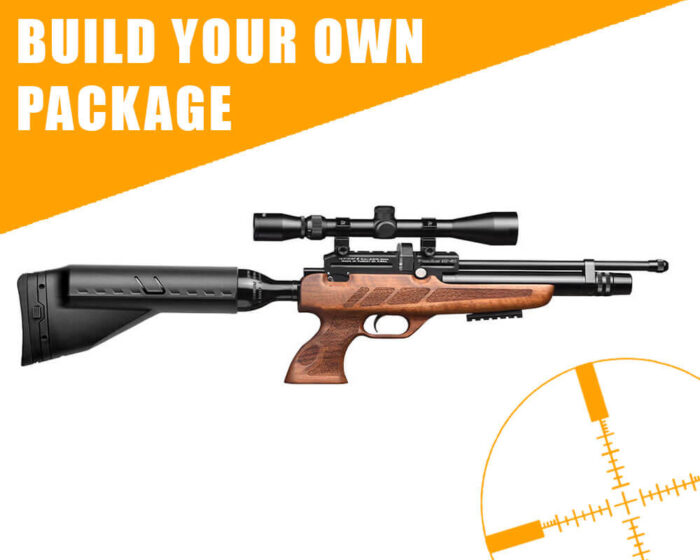
Kral Arms
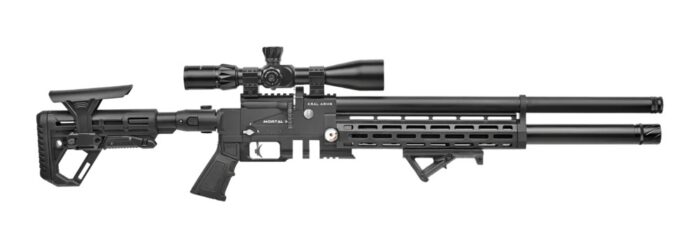
Kral Arms
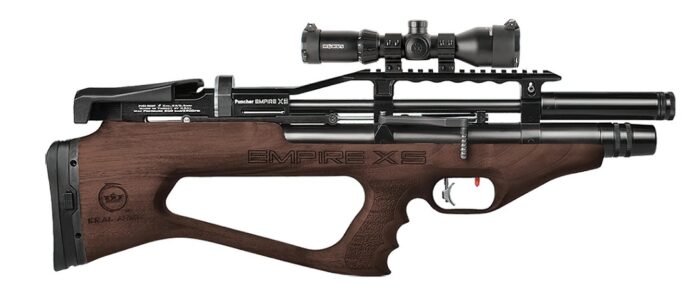
Kral Arms
Kral Arms
Kral Arms
Kral Arms
Kral Arms
Reviews
There are no reviews yet.