
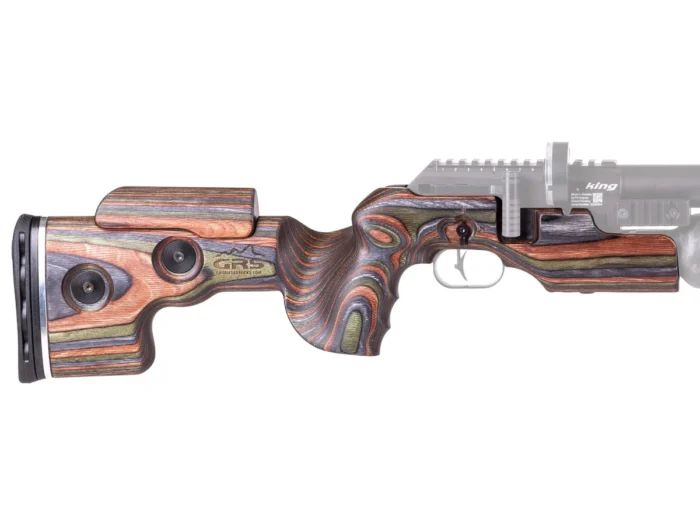
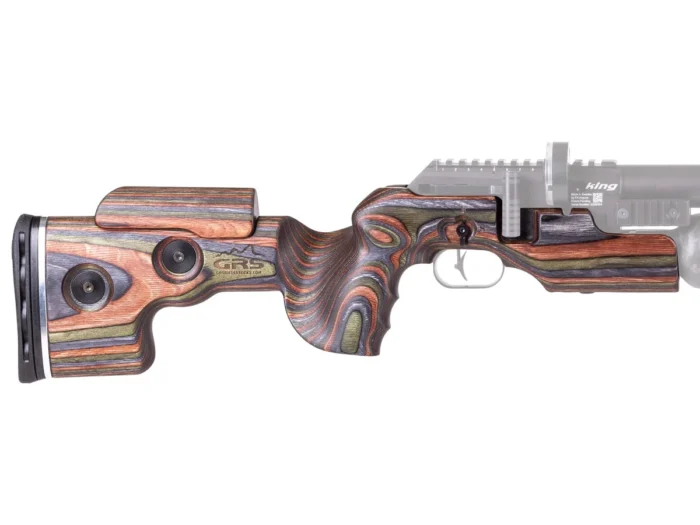
FX King GRS Green Mountain Stock, Right Hand
€450.00
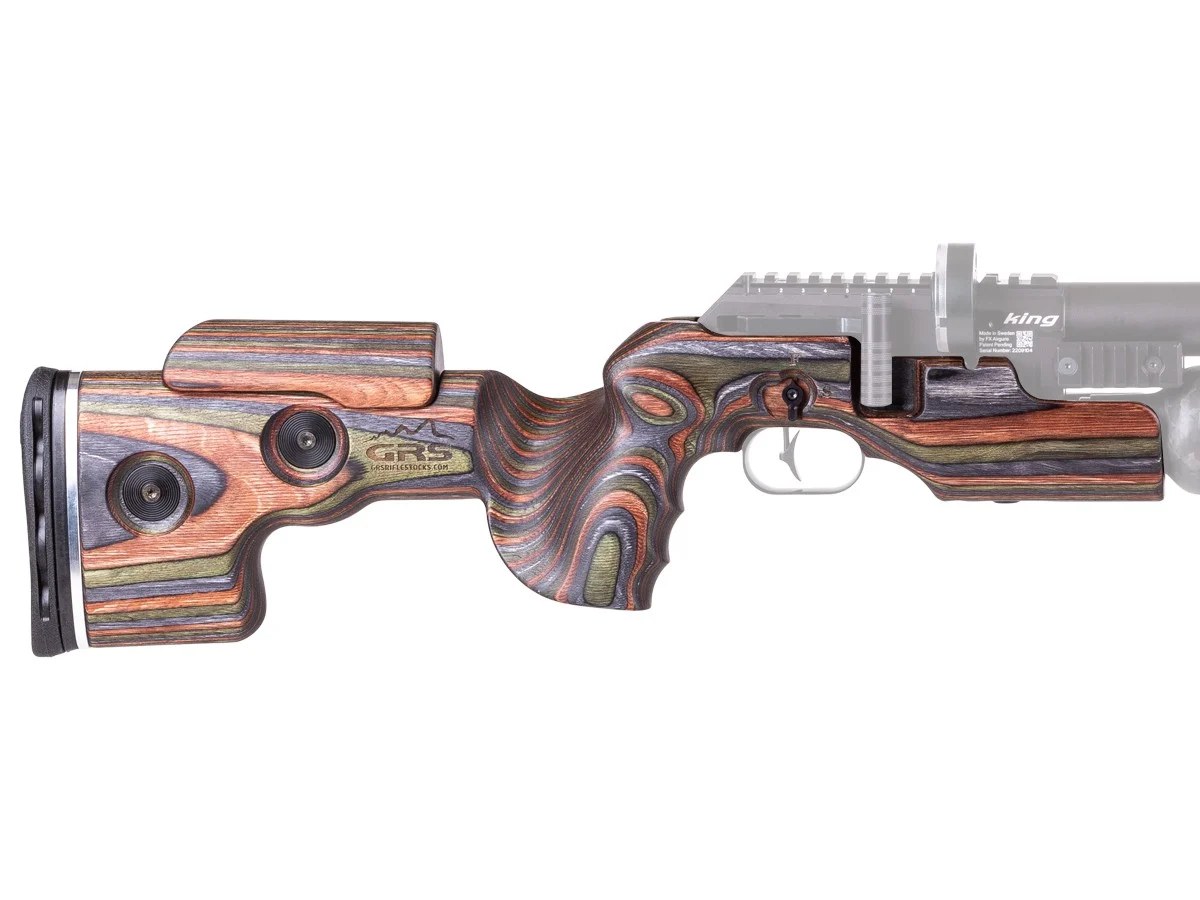
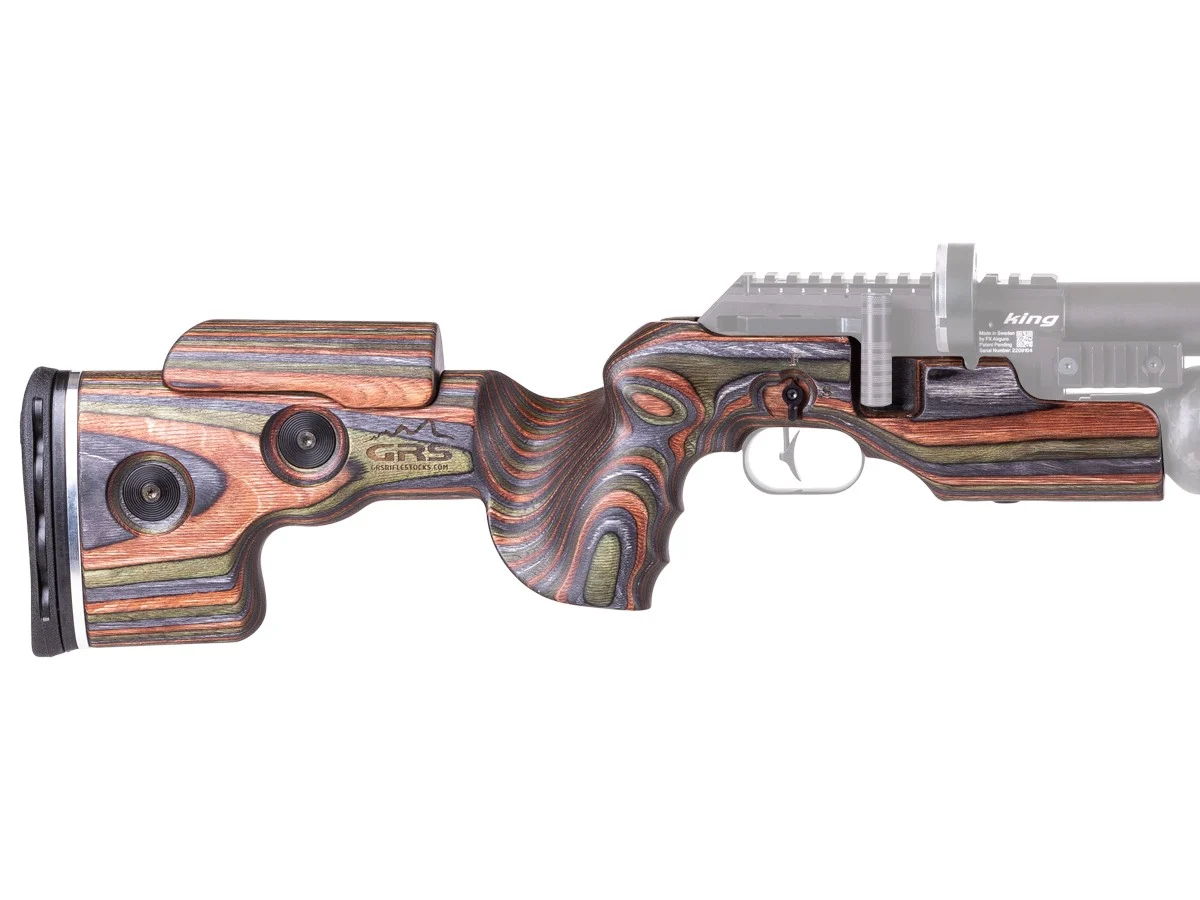
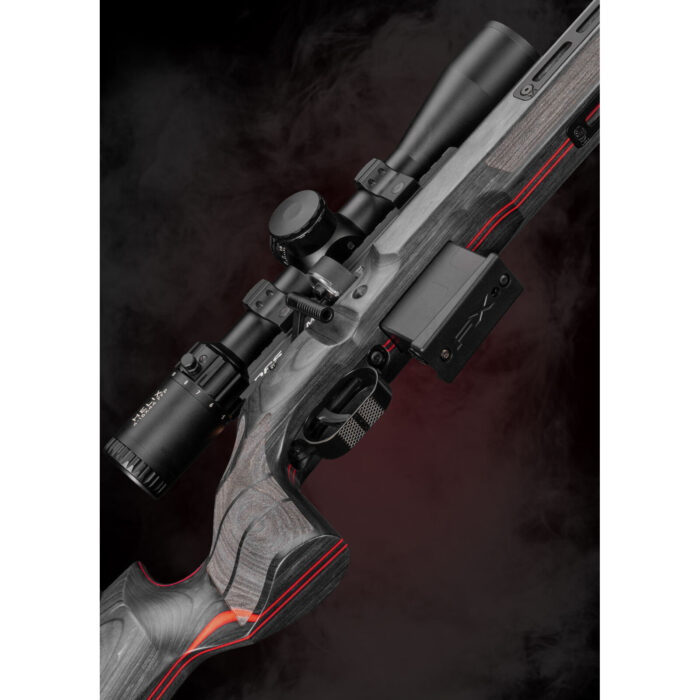
The GRS Green Mountain Stock for the FX King PCP Air Rifle is custom-made by the renowned Norwegian maker of rifle stocks to add to the adjustable nature of this platform. The stock features tool-free adjustments to the rubber recoil pad and the cheekpiece that operate with a simple button push. In addition, it has an angled and offset ergonomic GRS grip that offers superior comfort and fit, and it is made with durable Green Mountain laminate to provide strength and resistance to warping.
To get a stock that offers outstanding ergonomics and tool-free adjustments, buy the GRS Green Mountain Stock for the FX King PCP Air Rifle from Pyramyd AIR today.
FX King GRS Green Mountain Stock, Right Hand
- Tool-free adjustable rubber recoil pad
- Tool-free adjustable cheekpiece
- Green Mountain laminate
- Right-hand.
- Compatible with the FX King PCP Air Rifle
Specifications
BrandGrip OrientationRight
FX King GRS Green Mountain Stock, Right Hand – Technical Product Guide
Understanding the FX King GRS Stock, PCP Platform, and Precision Design
FX King GRS Stock Engineering
The stock is one of the most important physical interfaces between a precision air rifle and its user. FX describes the King’s GRS laminate configuration as incorporating tool-less adjustments, a broad fore-end, and an offset, angled ergonomic grip. These features are designed to support repeatable positioning and comfort.
Unlike a basic fixed stock, an adjustable configuration allows the cheek position and shoulder relationship to be adapted more closely to the individual. This can help establish consistent alignment with the sighting system during controlled target air rifle shooting.
The stock itself does not create mechanical accuracy. Instead, it supports a repeatable physical interface with the rifle, which can contribute to consistency when the remaining equipment and technique are also controlled.
Right-Hand Stock Geometry
The Right Hand designation matters because GRS-style grips are intentionally shaped rather than completely neutral.
An angled grip can position the wrist and trigger hand differently from a conventional straight sporting stock. When the geometry matches the user’s dominant hand, the design can provide a more natural interface.
However, fit remains personal. Arm length, shoulder width, hand size, optic height, and preferred shooting position all influence comfort.
For this reason, right-handed stock geometry should be understood as an ergonomic configuration rather than a guarantee that every user will experience exactly the same fit.
Understanding the FX King PCP System
The FX King is a PCP platform, meaning compressed air is stored before operation. FX describes the King as using a large carbon-fiber bottle and a plenum-over-barrel design with up to 156 cc of plenum volume.
This distinguishes it from a break barrel pellet gun or other spring-powered design.
For users asking what is an air rifle or how do air guns work, the key distinction is that different platforms use different methods to generate or store compressed gas.
A spring-powered system compresses air mechanically during its operating cycle, whereas a PCP system stores compressed air beforehand.
Air Compressor Rifle and PCP Hand Pump Terminology
Searches for air compressor rifle and pcp hand pump generally relate to the charging requirements of pre-charged pneumatic equipment.
Because the FX King uses a high-pressure pneumatic system, compatible filling equipment and manufacturer-approved pressure limits are important considerations.
Pressure-bearing components should never be treated casually. The manufacturer’s manual should determine appropriate charging and maintenance practices, while specialized pneumatic servicing should be performed by qualified personnel.
Air Rifle Calibers
FX currently lists the King in several caliber configurations, including .177, .22, .25, .30, and .35.
This broader range means terms such as 177 caliber, cal .177 pellets, 177 air rifle, .22 air rifle, 177 pellet vs .22 pellet, 177 caliber vs 22, and air rifle calibers can appear during research.
However, caliber alone does not establish practical precision. Projectile quality, barrel configuration, equipment condition, environmental conditions, and user consistency all influence results.
Manufacturer documentation for the exact configuration should always take priority over generalized caliber comparisons.
FX King Precision Architecture
FX describes the King as sharing core architecture with its Panthera and Dynamic platforms. The rifle also incorporates dual Wika gauges, a Quick Tune system, accessory rails, and a 30-MOA inclined scope rail.
The plenum-over-barrel arrangement is particularly notable because FX states that placing the plenum around the barrel creates a rigid system while providing substantial pneumatic volume.
Rigidity can contribute to mechanical consistency, although real-world results still depend on the complete rifle and user.
Air Arms S510 XS Ultimate Sporter FAC Comparison Context
Searches for Air Arms S510 XS Ultimate Sporter FAC, Air Arms S510 XS Ultimate Sporter, Air Arms S510 FAC, Air Arms S510 XS FAC PCP Air Rifle, and Air Arms S510 XS Ultimate Sporter FAC Walnut Stock relate to a different manufacturer and platform.
Likewise, Air Arms S510, Air Arms S410, Air Arms TX200, Air Arms, air arm, and Air Arms air rifle should not be treated as FX King specifications.
The comparison is useful only at the category level. Both manufacturers produce premium sporting air rifles, but component compatibility should never be assumed between brands.
Spring-Powered and PCP Differences
The Air Arms TX200 and prosport air arms searches generally relate to spring-powered platforms, while the FX King is pneumatic.
This distinction also explains searches for what is break barrel air rifle.
A break-barrel or spring-powered system uses a mechanically compressed powerplant, whereas the King depends on stored compressed air.
Therefore, maintenance procedures, internal components, charging requirements, and mechanical behavior differ considerably between the two categories.
Understanding General Airgun Search Terms
Broad phrases such as air gun, air rifles, pellet guns, airguns, airgins, air riflery, and even misspellings such as air pisto can appear around premium PCP equipment.
These general terms do not identify a specific platform.
Model-specific information should always be used when researching stock compatibility, servicing, pressure systems, magazines, or replacement components.
Cleaning and Equipment Care
An Air rifle cleaning kit can support routine maintenance, but cleaning methods should match the exact equipment.
The laminate stock should be protected from prolonged moisture, harsh chemicals, and unnecessary impacts. The action and pneumatic components require different forms of care.
Aggressive maintenance should be avoided when it is unnecessary.
Manufacturer guidance and qualified servicing provide the strongest foundation for preserving a precision PCP system.
Target Range and Responsible Use
Searches for airgun shooting range near me reflect one of the more appropriate environments for controlled recreational use.
A managed range can provide suitable containment and established safety procedures.
Eye protection, secure handling, an appropriate backstop, and compliance with local regulations remain essential because air rifles are capable of causing serious injury.
The phrase air guns for home defense may also appear in searches, but sporting air rifles are better understood within lawful target and recreational contexts rather than promoted as defensive weapons.
Overall Technical Perspective
The FX King GRS right-hand configuration combines a premium ergonomic stock with a sophisticated PCP platform. FX highlights the GRS stock’s tool-free adjustability, broad fore-end, and angled grip, while the rifle itself incorporates a carbon-fiber bottle, large plenum, Quick Tune system, Wika gauges, and adjustable stock architecture.
The specific Green Mountain color designation should be verified against the individual rifle or stock because FX’s current official King listing identifies Nordic Wolf as its GRS laminate option.
From an engineering perspective, the stock’s greatest contribution is ergonomic consistency. Combined with proper equipment maintenance, compatible ammunition, appropriate sighting equipment, safe range conditions, and disciplined handling, it forms an important part of the FX King’s overall precision-oriented design.
Ergonomics, Handling, Build Quality, and Practical Performance
The FX King GRS Green Mountain Stock, Right Hand configuration is defined as much by its physical interface as by the mechanical platform it supports. A precision sporting system depends on more than internal engineering. Stock geometry, shoulder position, grip shape, balance, optic alignment, and material stability all influence the user experience. For that reason, practical performance should be evaluated through comfort, repeatability, construction quality, and long-term reliability rather than through technical specifications alone.
Ergonomic Design and User Fit
Ergonomics play a major role in how naturally the equipment can be supported. A well-shaped stock can reduce unnecessary strain by helping the user establish a consistent position without excessive muscular effort.
The relationship between the grip, cheekpiece, shoulder contact, and fore-end contributes to this experience. When these areas work together correctly, the platform can feel more controlled and predictable.
Individual body proportions remain important. Hand size, arm length, shoulder width, and preferred posture can influence whether a particular setup feels natural.
Therefore, adjustment should focus on creating a comfortable interface rather than copying another user’s configuration.
Right-Hand Geometry
A right-handed stock is shaped around a particular operating orientation. This can influence wrist angle, hand placement, cheek position, and shoulder alignment.
Proper geometry can reduce awkward positioning and improve overall comfort during controlled recreational use.
However, right-handed design does not mean that every user will prefer exactly the same setup. Small changes in cheek height or stock length can influence the way the system feels.
Adjustable features are valuable because they allow the equipment to accommodate individual differences without altering the basic structural design.
Stock Material and Structural Stability
A laminate stock is designed to combine visual character with dimensional stability.
Layered construction can provide a rigid and durable platform while maintaining the appearance associated with traditional wood-based materials.
Nevertheless, proper care remains important. The stock should be protected from prolonged moisture, extreme temperature changes, chemicals, and severe impacts.
Surface damage may be cosmetic, while deeper cracks or structural movement require more attention.
Regular observation helps distinguish ordinary wear from conditions that may affect integrity.
Balance and Weight Distribution
Handling quality depends heavily on how weight is distributed.
A substantial precision platform may still feel manageable when the center of balance is appropriately positioned. Conversely, accessories placed too far forward or rearward can change the way the equipment feels.
Balance influences fatigue during longer sessions. A setup that requires constant correction can become uncomfortable even if its total weight is not unusually high.
For this reason, the complete configuration should be considered rather than judging the stock or action independently.
Adjustable Cheek Support
Cheek position influences sight alignment and overall comfort.
A consistent cheek position allows the user to return to a similar head placement each time. This repeatability can support a clearer and more natural sight picture.
Adjustment should therefore focus on comfort and alignment rather than extreme positioning.
If the cheek support is set too high or too low, unnecessary neck movement may be introduced. Small, controlled adjustments generally provide a better result than large changes made without evaluation.
Length of Pull and Shoulder Position
Length of pull affects how naturally the equipment sits against the shoulder.
A setup that is too long may force the arm and shoulder into an uncomfortable position, while one that is too short can create a cramped posture.
Appropriate adjustment helps create a balanced relationship between the trigger hand, shoulder, and support arm.
This can improve comfort during longer sessions and reduce unnecessary physical tension.
The correct setting is personal and should be based on natural posture rather than appearance.
Fore-End Design and Support
The fore-end provides an important support area.
A broader fore-end can create a stable contact surface when the equipment is supported in a controlled recreational environment.
The shape also influences how weight is transferred through the support hand or rest.
Comfort and stability should remain the main considerations. Excessive gripping pressure can create unnecessary tension, while a relaxed and controlled support position generally provides a more consistent experience.
Mechanical Consistency and Practical Precision
The stock contributes to consistency by helping maintain repeatable user positioning.
However, it does not determine precision on its own. Mechanical condition, ammunition consistency, sighting equipment, environmental conditions, and individual technique all contribute to the final result.
A stable stock simply provides a better ergonomic foundation.
This is why practical performance should be judged through repeated controlled results rather than isolated outcomes.
Consistency across multiple sessions provides a more meaningful indication of overall system quality.
Environmental Conditions
Temperature, humidity, and moisture can influence both comfort and equipment condition.
A laminate stock is generally more dimensionally stable than untreated natural wood, but it still benefits from responsible environmental protection.
After exposure to damp conditions, the equipment should be dried appropriately before storage.
Extreme heat or prolonged direct sunlight should also be avoided when possible.
Environmental care preserves both appearance and long-term structural condition.
Storage and Transportation
A premium stock deserves suitable physical protection.
During storage, the equipment should be kept in a clean, dry, and secure environment. During transportation, a protective case can help reduce scratches, impacts, and contamination.
The platform should also be protected from heavy objects that may place unnecessary pressure on the stock or other components.
After a significant impact, inspection is appropriate before further use.
Long-Term Ownership Experience
The quality of a stock becomes increasingly apparent over time.
Comfort, finish durability, adjustment stability, structural integrity, and consistent fit all contribute to long-term satisfaction.
A well-maintained stock can retain both its functional qualities and visual character for many years.
Routine observation, appropriate cleaning, and careful storage are generally more valuable than aggressive maintenance.
Overall Practical Assessment
The FX King GRS right-hand configuration demonstrates how stock design can influence the complete user experience without replacing the importance of the underlying mechanical system.
Its greatest strengths lie in ergonomic adjustability, structured hand positioning, stable shoulder support, balanced fore-end geometry, and premium laminate construction.
These characteristics support comfort and repeatability during lawful recreational use.
Ultimately, the value of the stock should be judged through fit, stability, durability, and how naturally it supports the user. When properly adjusted, maintained, and protected, it provides a refined interface between the user and a sophisticated precision sporting platform.
Build Quality, Durability, Maintenance, and Long-Term Stock Care
Long-term quality depends on more than appearance. A premium laminate stock is expected to provide structural support, ergonomic consistency, dimensional stability, and resistance to the normal demands of responsible recreational ownership. However, even high-quality materials require appropriate maintenance and environmental protection. Regular inspection, careful transportation, correct storage, and controlled cleaning can help preserve both functional integrity and visual condition throughout the equipment’s service life.
Understanding Overall Build Quality
Build quality begins with material selection and manufacturing consistency. A stock must maintain its shape while supporting the equipment securely and providing a stable physical interface for the user.
Precision machining is important because connection points and adjustment mechanisms need to remain properly aligned. Excessive movement between components can reduce the refined feel expected from premium equipment.
The external finish also contributes to perceived quality, although appearance should never be the only consideration. Structural integrity and adjustment stability are ultimately more important than cosmetic perfection.
Laminate Construction and Stability
Laminate construction uses bonded layers to create a rigid stock structure with distinctive visual characteristics.
One advantage of this approach is dimensional stability. Natural materials can respond to environmental changes, while layered construction can help reduce some of the movement associated with traditional solid wood.
Nevertheless, laminate should not be treated as completely unaffected by its surroundings.
Prolonged moisture, extreme heat, aggressive chemicals, or severe physical impacts can still cause deterioration. Responsible environmental protection therefore remains important.
Surface Finish and Visual Character
The finish provides both aesthetic value and an additional layer of protection.
Routine handling can gradually introduce fingerprints, dust, light marks, and other signs of use. These changes do not necessarily indicate structural deterioration.
Cleaning should remain gentle and appropriate for the material.
Harsh solvents, abrasive products, or aggressive scrubbing may damage the finish rather than improve it. Manufacturer-approved care methods provide a safer basis for maintaining appearance.
Protecting Adjustment Mechanisms
Adjustable components contribute substantially to ergonomic flexibility.
Because these mechanisms are used repeatedly, their condition should be observed periodically. Controls should move through their intended range without excessive force.
If an adjustment becomes unusually difficult, forcing the mechanism is generally inappropriate.
Dirt, physical damage, or another mechanical issue may be responsible. Inspection provides a better response, while professional assistance may be appropriate when the cause cannot be identified safely.
Maintaining Structural Connection Points
Connection points between the stock and the rest of the platform contribute to overall stability.
These areas should remain free from obvious damage, cracks, or unusual movement. However, routine maintenance should not involve unnecessary adjustment simply because hardware is visible.
Repeated intervention can sometimes create problems where none previously existed.
If looseness or structural movement develops, appropriate professional assessment can determine the underlying cause and suitable corrective action.
Environmental Protection
Environmental conditions can have a substantial influence on long-term appearance and durability.
Moisture deserves particular attention. Equipment that becomes damp should receive suitable care before being placed into long-term storage.
Rapid temperature changes should also be minimized when possible.
Moving equipment directly between extreme environments may create condensation on surfaces. Allowing conditions to stabilize appropriately can help reduce unnecessary moisture exposure.
Cleaning After Recreational Use
Cleaning should focus on removing ordinary contamination while preserving the original finish.
A soft, suitable cloth can address many external maintenance requirements. More aggressive treatment should only be considered when recommended for the specific material.
Cleaning products should never be selected solely because they work well on unrelated household surfaces.
Material compatibility matters.
A simple, controlled maintenance routine generally provides better long-term protection than frequent use of strong chemicals.
Preventing Impact Damage
Physical impacts are among the most avoidable causes of stock damage.
Dropping the equipment, striking hard surfaces, or allowing heavy objects to fall against it can create dents, cracks, finish damage, or problems around adjustment mechanisms.
A protective case provides valuable protection during transportation.
At home, secure storage should prevent the equipment from falling or being accidentally struck.
After a substantial impact, visual inspection is appropriate even when damage is not immediately obvious.
Storage Conditions
A clean, dry, and secure storage environment provides the strongest foundation for long-term preservation.
Excessive humidity, extreme heat, corrosive substances, and unnecessary direct sunlight should be avoided.
Security is equally important. The equipment should remain inaccessible to unauthorized individuals, particularly children or inexperienced users.
Applicable local regulations should determine any additional storage requirements.
Consistent storage conditions can also make gradual changes in material condition easier to identify.
Transportation and Protective Cases
Transportation introduces vibration, movement, temperature changes, and potential impacts.
A properly fitted protective case can reduce these risks by limiting movement and protecting exposed surfaces.
Other heavy equipment should not be positioned where it can compress or strike the stock during travel.
Transportation should also comply with applicable local requirements.
When the equipment reaches its destination, a brief inspection can help confirm that no obvious damage occurred during transit.
Inspecting for Long-Term Wear
Routine observation allows gradual wear to be distinguished from sudden damage.
Minor cosmetic marks may develop through normal ownership without affecting structural performance. However, cracks, significant deformation, unstable adjustments, or unusual movement deserve greater attention.
Owners who understand the normal condition of their equipment are better positioned to recognize these changes.
Photographic records can also provide a useful visual reference when monitoring cosmetic condition over longer periods.
Professional Servicing
Some maintenance concerns extend beyond routine owner care.
Structural damage, persistent adjustment problems, or uncertain component alignment may require professional evaluation.
Attempting extensive repairs without appropriate knowledge can worsen existing damage or affect other parts of the system.
Qualified servicing provides a more dependable approach and helps preserve the original engineering.
Manufacturer documentation should remain the primary technical reference whenever available.
Preserving Long-Term Appearance
A premium stock often forms a major part of the equipment’s visual identity.
Preserving its appearance requires relatively simple habits: careful handling, suitable cleaning, environmental protection, and secure storage.
Ordinary signs of responsible use should not necessarily be considered defects.
The objective is not to prevent every cosmetic mark but to avoid unnecessary deterioration that could affect either appearance or structural integrity.
Overall Durability Perspective
The long-term value of the FX King GRS right-hand stock comes from the relationship between ergonomic design, laminate construction, adjustment capability, structural stability, and responsible ownership.
Quality manufacturing provides the initial foundation, while maintenance determines how effectively those characteristics are preserved.
Controlled cleaning, protection from moisture, careful transportation, secure storage, routine inspection, and professional servicing when required all contribute to durability.
Ultimately, a premium stock should be judged by how effectively it maintains structural integrity, ergonomic consistency, adjustment stability, and visual quality over time. With appropriate care, these characteristics can be preserved throughout years of responsible and lawful recreational ownership.
Everyday Usability, Comfort, Ownership Experience, and Long-Term Practical Value
The FX King GRS Green Mountain Stock, Right Hand configuration is designed to provide a refined physical interface between the user and the complete sporting platform. Although construction materials and technical specifications establish the foundation, everyday ownership reveals the qualities that matter over extended periods. Comfort, adjustment stability, balance, environmental resistance, transportation convenience, maintenance requirements, and overall durability all influence the practical experience. Consequently, evaluating the stock requires consideration of both its immediate feel and its ability to preserve that feel throughout long-term recreational ownership.
Everyday Comfort and Natural Positioning
Comfort is one of the most noticeable characteristics during regular use.
The relationship between the shoulder, cheek, grip, and support hand determines how naturally the equipment can be held. When these contact points work together effectively, unnecessary physical strain can be reduced.
Individual proportions remain important. Arm length, hand size, shoulder width, and preferred posture vary considerably between users.
Therefore, there is no single adjustment that provides ideal comfort for everyone. The practical advantage of an adjustable design comes from its ability to accommodate these differences while maintaining structural stability.
Right-Handed Ergonomic Experience
A dedicated right-handed configuration provides a more specialized interface than a completely neutral stock.
Grip shape and surrounding geometry can support a natural wrist position for the intended user. This can make the platform feel more integrated during controlled recreational sessions.
However, comfort should always take priority over appearance.
An adjustment that looks visually balanced may not necessarily provide the most natural physical position. Users should evaluate how the complete system feels rather than concentrating on symmetry alone.
Adjustment Stability
Adjustability is most valuable when selected positions remain stable.
A cheek support or shoulder adjustment that changes unexpectedly would reduce the practical benefits of customization. Consequently, adjustment mechanisms should maintain their intended positions during normal responsible use.
Controls should also operate smoothly without requiring excessive force.
If an adjustment begins behaving differently, inspection is appropriate. Forcing a mechanism can potentially create additional wear or damage.
Balance During Longer Sessions
Balance becomes increasingly noticeable as recreational sessions become longer.
A platform with substantial components may feel manageable when its weight is distributed effectively. Conversely, a poorly balanced configuration can create fatigue even when overall weight is relatively moderate.
The stock contributes to this relationship by establishing the rear portion of the system and determining several important contact points.
Accessories may alter the balance significantly, so practical evaluation should consider the complete configuration rather than the stock in isolation.
Support and Stability
The fore-end provides an important support surface.
Its shape can influence how comfortably the equipment rests in the support hand or on an appropriate recreational rest. A broad, stable contact area may help distribute weight more comfortably.
However, stability should not depend on excessive physical force.
A relaxed and controlled support position generally provides a more comfortable experience than constantly gripping the equipment tightly.
This becomes especially relevant during longer sessions where unnecessary muscle tension can gradually increase fatigue.
Practical Precision and Repeatability
A quality stock contributes to practical precision indirectly by supporting consistent positioning.
When cheek placement, shoulder contact, grip position, and support remain repeatable, one source of physical variation can be reduced.
However, the stock should never be considered the sole determinant of performance.
Mechanical condition, compatible ammunition, sighting equipment, environmental conditions, and individual technique remain important.
Therefore, practical quality should be judged through consistent overall behavior rather than isolated results.
Outdoor Ownership Experience
Outdoor recreational environments introduce additional considerations.
Temperature, humidity, dust, and moisture can influence equipment condition. Even durable laminate construction benefits from reasonable environmental protection.
After exposure to damp conditions, the equipment should receive appropriate care before storage.
Likewise, unnecessary exposure to extreme heat or prolonged direct sunlight should be avoided.
Responsible environmental management helps preserve both the finish and structural condition over time.
Ease of Routine Care
One advantage of a quality stock is that routine external maintenance does not need to be complicated.
Ordinary dust and light contamination can generally be addressed through careful cleaning with materials suitable for the finish.
Harsh chemicals and abrasive products should be avoided unless specifically recommended.
Frequent aggressive cleaning is unnecessary and may gradually affect the surface.
A simple maintenance routine based on preservation rather than restoration provides a stronger approach to long-term care.
Storage Convenience
Everyday ownership includes considerable time when the equipment is not being used.
A suitable storage environment should therefore protect against humidity, accidental impacts, contamination, and unauthorized access.
The platform should be supported appropriately rather than positioned where it could fall.
Security remains essential, particularly where children or inexperienced individuals may be present.
Applicable local regulations should also determine any additional storage requirements.
Transportation Experience
A premium stock benefits from appropriate protection during transportation.
A suitable case can help prevent scratches, dents, contamination, and damage to adjustment mechanisms.
The equipment should remain securely positioned so that it cannot move excessively during travel.
Heavy objects should not be placed where they could apply pressure to the stock.
After a significant impact, inspection is appropriate before the equipment returns to normal recreational use.
Appearance Through Long-Term Ownership
Laminate construction provides a distinctive visual character that can remain attractive even as minor signs of normal use develop.
Small cosmetic marks do not necessarily reduce structural quality.
Indeed, long-term condition should be evaluated through integrity and function rather than demanding an untouched appearance indefinitely.
More significant cracks, deformation, unstable adjustments, or separation between materials deserve greater attention.
Routine observation helps distinguish normal cosmetic aging from meaningful structural changes.
Ownership Confidence
Confidence develops when equipment behaves predictably.
Stable adjustments, comfortable ergonomics, consistent structural condition, and straightforward maintenance all contribute to this experience.
Owners who understand the normal condition of their equipment are also more likely to notice unusual changes early.
However, familiarity should never result in careless handling.
Responsible practices remain important regardless of experience or equipment quality.
Long-Term Practical Value
Practical value is determined by more than initial appearance.
A premium stock earns its long-term value through comfort, structural stability, adjustment capability, durability, and the ability to retain these qualities throughout responsible ownership.
Appropriate maintenance also contributes because well-preserved equipment generally remains easier to inspect and evaluate.
The combination of thoughtful design and disciplined care therefore provides the strongest foundation for long-term satisfaction.
Overall Ownership Perspective
The FX King GRS right-hand stock combines premium laminate construction, specialized ergonomics, adjustable support, and distinctive visual character within a sophisticated sporting configuration.
Its strongest everyday qualities are comfort, repeatability, adjustment flexibility, structural stability, and manageable maintenance.
Ultimately, the stock’s contribution is best understood through the physical consistency it provides between the user and the complete platform. Careful transportation, appropriate environmental protection, controlled cleaning, routine inspection, secure storage, and professional attention when necessary can help preserve these characteristics.
When responsibly maintained, the stock can continue providing a refined, comfortable, and durable interface throughout years of lawful recreational ownership air arms s510 ultimate sporter .177 sub 12.
Be the first to review “FX King GRS Green Mountain Stock, Right Hand”
Related products
FX Air Gun
FX Air Gun
FX Air Gun
FX Air Gun
FX Air Gun
FX Air Gun
FX Air Gun
Reviews
There are no reviews yet.