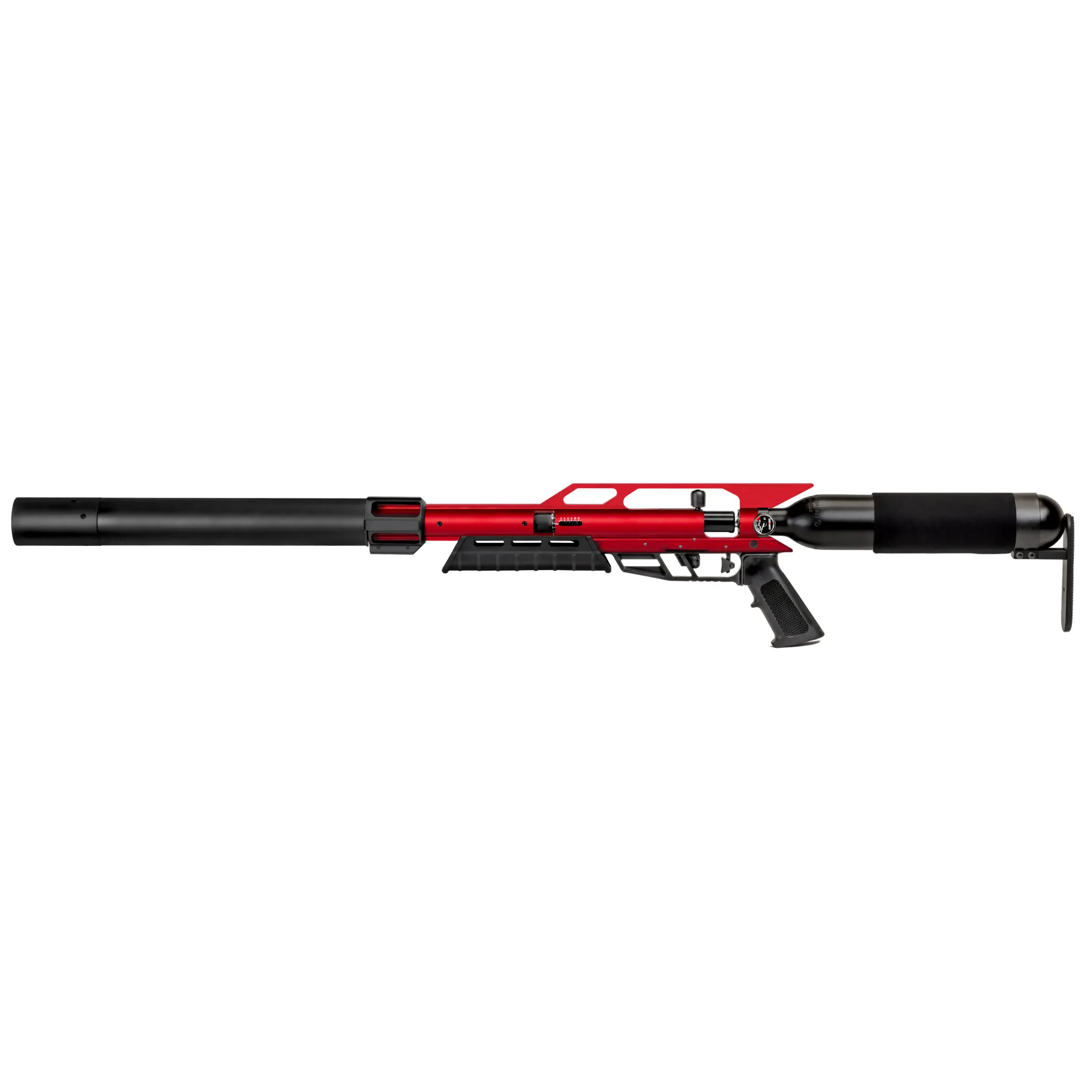

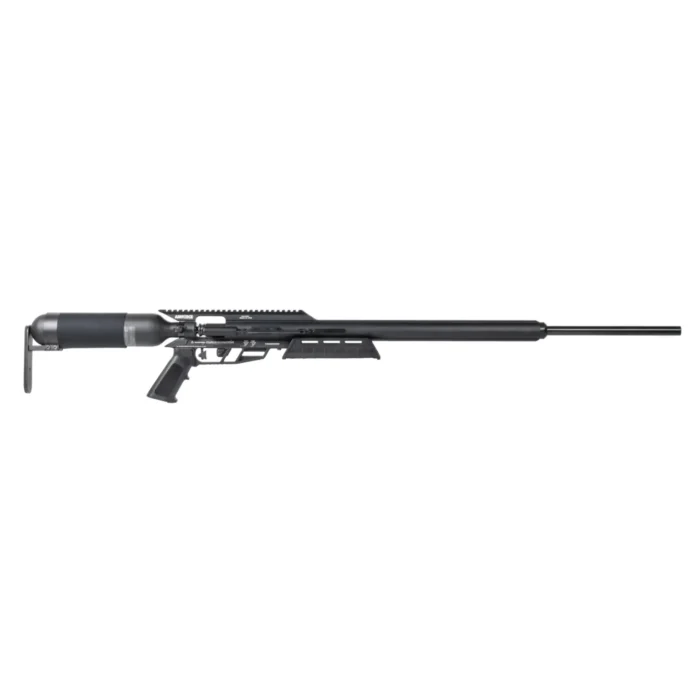
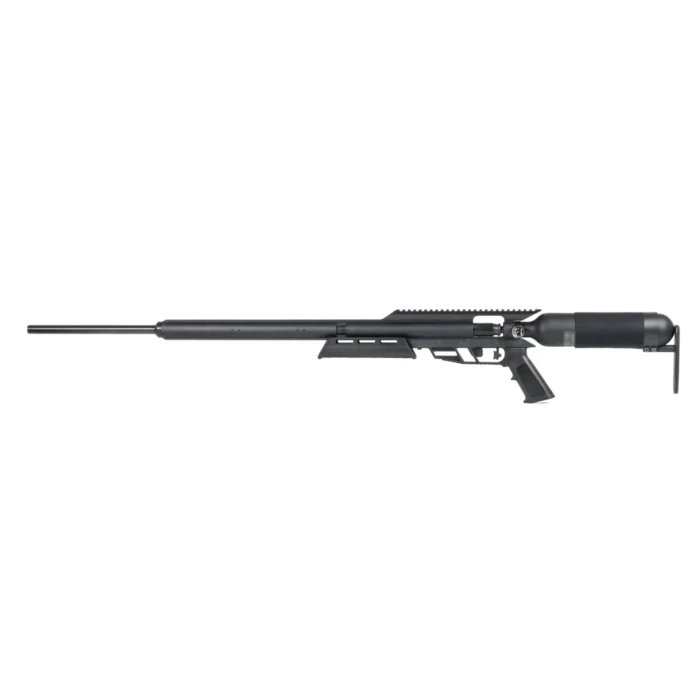
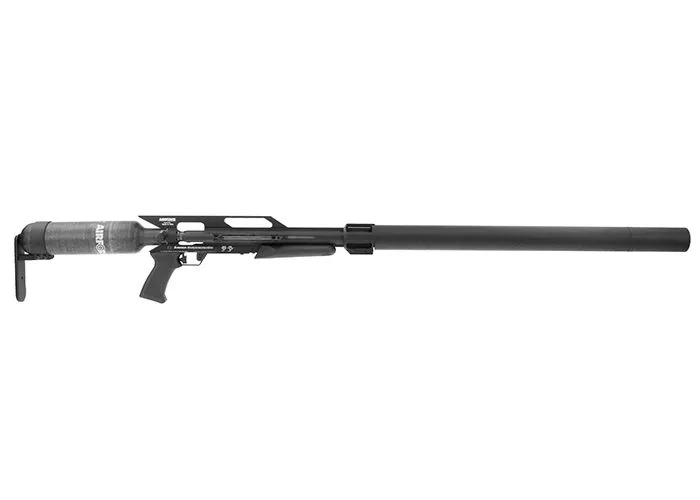
CondorSS-SL .22 Cal – RED-BLEM
€500.00
CondorSS-SL .22 Cal – RED-BLEM Technical PCP Air Rifle Overview
CondorSS-SL .22 Engineering, Sound-Loc Architecture, RED-BLEM Condition, and Related AirForce Platforms
AirForce
AirForce is the Texas manufacturer behind the Condor, CondorSS, CondorSS-SL, Talon, Texan, and Tex-Rex pneumatic families. The CondorSS-SL belongs to the company’s smaller-bore utility PCP range rather than its large-caliber big-bore category.
AirForce Airguns
airforce airguns includes several substantially different platforms. For that reason, specifications from Texan, Tex-Rex, Talon, or older Condor rifles should not automatically be applied to the newer dual-suppressed configuration.
CondorSS-SL .22 Cal – RED-BLEM
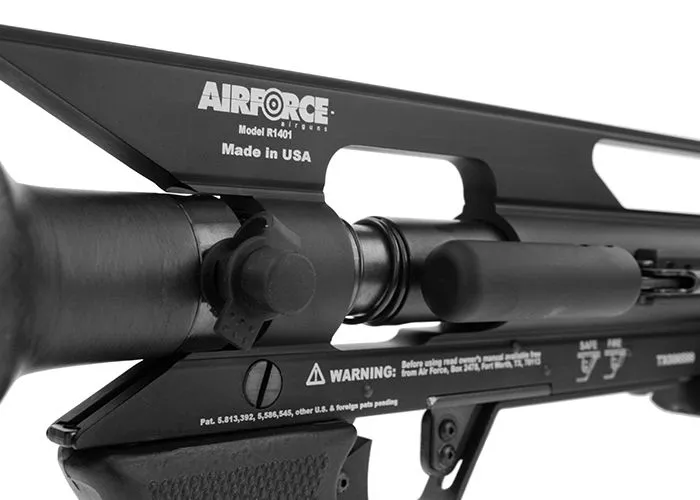
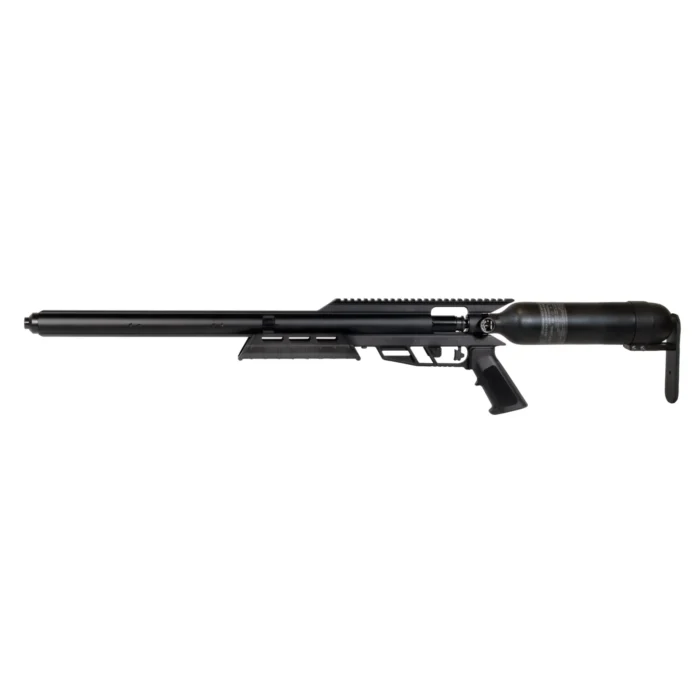
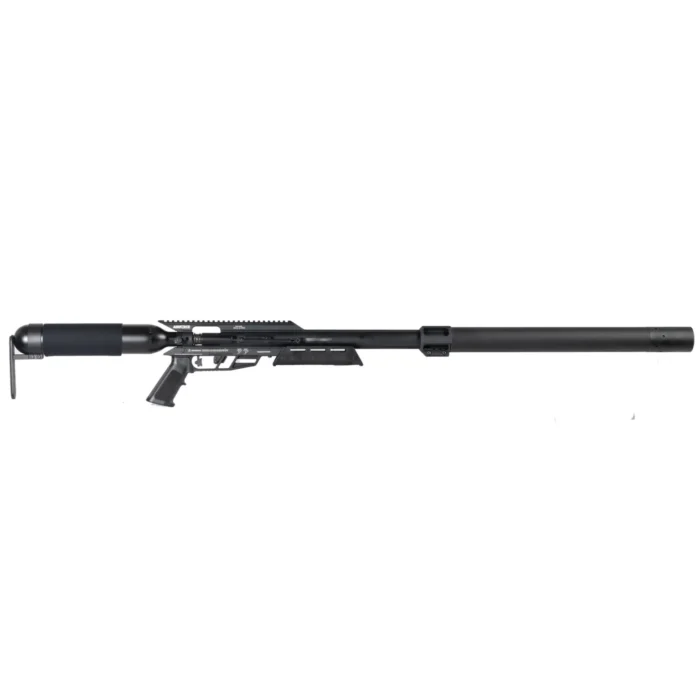
The red blemished .22 model combines the current Sound-Loc external system with the existing internally shrouded 18-inch barrel architecture. AirForce lists the normal red .22 production SKU as U2093-RED-SL.
RED-BLEM Condition
The RED-BLEM designation means cosmetic condition deserves separate consideration from mechanical condition.
A small anodized-finish mark or superficial scuff is fundamentally different from structural damage involving the reservoir, barrel, frame, valve system, or mounting interfaces.
Pellet Gun
The phrase pellet gun is very broad. This platform is more accurately described as a single-shot pre-charged pneumatic rifle.
Air Force Guns
The phrase air force guns can refer to several AirForce pneumatic families, ranging from compact small-bore designs to high-pressure big-bore platforms.
Air Rifle and Air Pistol
The phrase air rifle and air pistol encompasses several form factors. This particular platform belongs to the shoulder-fired rifle category.
What Is an Air Rifle
For what is an air rifle, an air rifle uses compressed gas or another non-combustion propulsion source. This design stores compressed air in an onboard reservoir before operation.
Airforce Condor
The airforce condor is the longer parent platform from which the compact shrouded versions evolved.
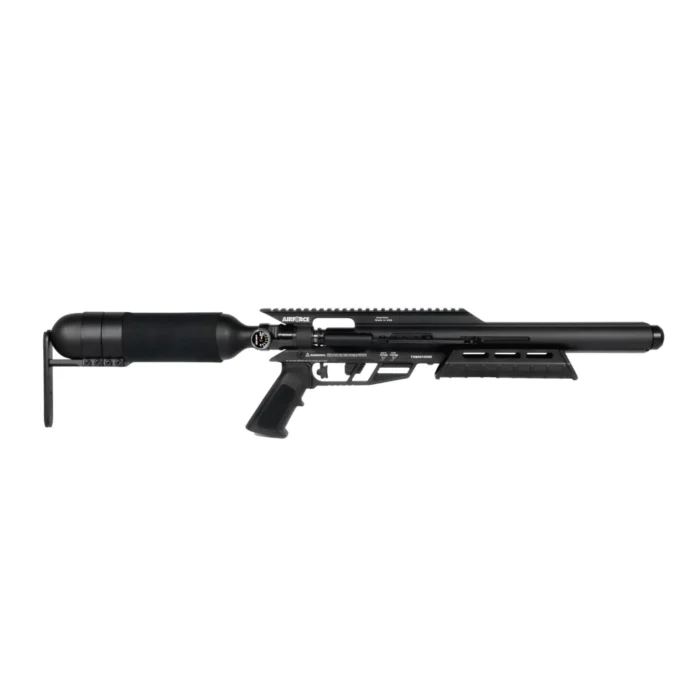
The CondorSS uses an 18-inch barrel, whereas the traditional Condor uses a longer barrel and a different overall acoustic architecture.
Airforce Condor Air Force Talon
The combined phrase airforce condor air force talon commonly appears when comparing AirForce’s lightweight utility PCP families. Although these platforms share design language, their barrel lengths, reservoirs, and performance configurations differ.
Airforce Talon P
The airforce talon p is a compact pneumatic pistol and should not be treated as a CondorSS-SL rifle variant.
Air Force Talon P
The phrase air force talon p refers to the same smaller pistol-format platform.
Air Force Talon
The air force talon belongs to another lightweight PCP rifle family and uses different barrel and power configurations.
Airforce 25
The phrase airforce 25 usually relates to .25-caliber AirForce platforms. The product discussed here is specifically .22 caliber.
Airforce Texan
The airforce texan belongs to AirForce’s large-bore single-shot family and is mechanically very different from this smaller-bore rifle.
Airforce Texan Air Rifle
The phrase airforce texan air rifle therefore describes another product category.
Texas Air Force Rifle
The phrase texas air force rifle can broadly refer to rifles manufactured by AirForce in Texas. Exact model identification is important because the company produces several different PCP architectures.
Air Force Texan LSS
The air force texan lss belongs to the long-barrel big-bore range.
Its reservoir, caliber, barrel length, and output characteristics are substantially different.
Airforce Texan SS
The airforce texan ss is a shortened big-bore configuration and should not be confused with the smaller-bore CondorSS-SL.
Airforce Texanss
The spelling airforce texanss refers to that same Texan SS family.
Airforcetexan
The combined search variation airforcetexan refers to the broader Texan family rather than this platform.
Tex-Rex
The tex-rex belongs to AirForce’s newer big-bore range.
It uses a different high-pressure architecture from the CondorSS-SL.
Air Force Tex Rex
The phrase air force tex rex refers to the same large-caliber family.
Tex-Rex AirForce Brush Gun
The Tex-Rex AirForce brush gun is a compact big-bore platform rather than a small-bore Sound-Loc rifle.
Brush Gun
The term Brush Gun is currently associated much more closely with AirForce’s Tex-Rex concept.
AirForce Tex-Rex PCP Rifle
An AirForce Tex-Rex PCP rifle uses different barrel lengths, larger calibers, and different pressure specifications.
Tex-Rex Brush Gun Air Rifle
The Tex-Rex Brush Gun air rifle emphasizes compact big-bore construction instead of the dual-suppressed Condor architecture.
AirForce Tex-Rex Air Rifle
The AirForce Tex-Rex air rifle should therefore remain technically separate from the .22 configuration discussed here.
AirForce Tex-Rex Hunting Rifle
The phrase AirForce Tex-Rex hunting rifle relates to another large-caliber product category rather than this .22 pneumatic system.
AirForce Big Bore Airgun
An AirForce big bore airgun generally refers to larger-caliber Texan and Tex-Rex platforms.
AirForce Big Bore Air Rifle
The AirForce big bore air rifle category therefore does not accurately describe this .22 model.
AirForce Brush Gun
The AirForce brush gun terminology belongs to the Tex-Rex family rather than the CondorSS-SL.
AirForce Texan Brush Gun
The phrase AirForce Texan Brush Gun sometimes appears in broad searches but should not be used as technical terminology for this rifle.
Brush Gun PCP Air Rifle
A brush gun PCP air rifle generally implies compact big-bore construction and is mechanically distinct from this smaller-caliber shrouded rifle.
Air Gun Pump
An air gun pump is one possible external source for compatible PCP equipment, but any fill equipment must match the exact reservoir specification and manufacturer documentation.
Bolt Action Air Rifles
The phrase bolt action air rifles does not accurately describe the current configuration because AirForce lists the CondorSS-SL as a single-shot action.
High Powered Air Rifles 4000 FPS
The phrase high powered air rifles 4000 fps does not correspond to verified manufacturer specifications.
AirForce lists the current Sound-Loc platform at up to approximately 1200 fps, while the specification depends on caliber, projectile mass, and operating configuration.
Air Guns for Target Shooting
The phrase air guns for target shooting covers many different pneumatic systems.
For controlled recreational target use, repeatability depends on barrel condition, ammunition consistency, pressure behavior, trigger predictability, sight stability, and environmental conditions.
Airgun Shooting Range Near Me
The phrase airgun shooting range near me concerns finding a suitable venue rather than a rifle specification.
Any facility should specifically permit the equipment and comply with applicable local requirements.
50 Caliber Air Rifle for Deer Hunting
The phrase 50 caliber air rifle for deer hunting concerns an entirely different large-bore class. The rifle discussed here is .22 caliber.
Airbolt Rifle
An airbolt rifle is designed around arrow-style projectiles and should not be treated as a standard configuration for this rifle.
.30 Cal Air Rifle
A .30 cal air rifle uses a larger projectile diameter than the .22 model described here.
18-Inch Lothar Walther Barrel
The Sound-Loc generation uses an 18-inch, 12 mm Lothar Walther barrel according to AirForce’s current specification.
500 cc Air Reservoir
Current Sound-Loc documentation specifies a 500 cc reservoir, distinguishing it slightly from older CondorSS pages that list approximately 480–490 cc.
Dual Sound-Reduction Architecture
The defining engineering feature is the combination of an internal barrel shroud and external Sound-Loc system.
AirForce describes this as a dual-suppression arrangement designed around the existing CondorSS barrel dynamics.
Single-Shot Action
The rifle uses a mechanically straightforward single-shot action.
This reduces the number of feeding components compared with repeating magazine systems.
Adjustable Two-Stage Trigger
The trigger is listed as two-stage and adjustable for position.
Predictable trigger behavior contributes to repeatable recreational target performance.
Automatic-on-Cocking Safety
AirForce currently lists an automatic-on-cocking safety for the Sound-Loc configuration.
11 mm Dovetail Rail
The platform uses an 11 mm dovetail rail for compatible sighting equipment.
Secure mounting remains important because even minor sight movement can affect practical repeatability.
Why the Sound-Loc System Matters
The CondorSS-SL differs from the ordinary CondorSS by adding an external Sound-Loc assembly to the existing internally shrouded barrel.
This creates the most important mechanical distinction between the two generations.
Why BLEM Inspection Matters
Cosmetic imperfections may have little mechanical significance, whereas cracks, deep reservoir damage, loose structural interfaces, damaged controls, or compromised mounting areas deserve substantially greater attention.
Why Precision Depends on More Than Velocity
Practical precision depends on barrel integrity, ammunition uniformity, pressure consistency, trigger behavior, sight stability, structural alignment, environmental conditions, and user technique.
Velocity alone cannot represent the complete system.
Overall Technical Perspective
The CondorSS-SL .22 Cal – RED-BLEM is best understood as a red-finished, cosmetically blemished version of AirForce’s newest dual-suppressed CondorSS architecture. Current manufacturer documentation identifies an 18-inch Lothar Walther barrel, 500 cc reservoir, single-shot action, Sound-Loc external system plus internal shroud, automatic safety, adjustable two-stage trigger, 11 mm dovetail rail, approximately 44.25-inch overall length, and 1:17.7 twist rate.
The main specification point requiring production-specific confirmation is maximum fill pressure: current AirForce sources list both 3000 PSI/206 BAR and 3625 PSI/250 BAR for the Sound-Loc generation. The exact rifle’s labeling and current documentation should therefore take priority.
For a BLEM example, structural and pneumatic condition matter far more than minor finish imperfections. Barrel integrity, reservoir condition, pressure retention, trigger consistency, safety operation, mounting stability, and appropriate professional servicing of pressure-bearing components provide a more meaningful technical assessment than cosmetic appearance alone.
Engineering Quality, Precision, Handling, Performance Consistency, and Practical Design
A well-designed pneumatic platform should provide a balanced combination of mechanical consistency, manageable handling, structural durability, and predictable operation. Although individual specifications can help explain the engineering concept, practical quality depends on how effectively the complete system works together. Barrel integrity, pressure stability, trigger behavior, sight security, structural rigidity, ammunition consistency, and overall condition can all influence the experience. In addition, when an example carries minor cosmetic imperfections, mechanical condition becomes more important than surface appearance. A careful evaluation should therefore consider both the physical construction and the long-term condition of the equipment.
Overall Engineering Quality
Engineering quality begins with the relationship between the main structural components.
The barrel, frame, pressure vessel, trigger assembly, mounting interfaces, and external controls should remain securely positioned.
Unexpected looseness or movement can influence mechanical consistency and should receive attention.
Lightweight Structural Design
Controlling overall weight can improve everyday handling.
A lighter structure is generally easier to transport and reposition than a substantially heavier platform.
However, reduced weight should still be supported by adequate structural rigidity.
Understanding Weight Distribution
Overall weight tells only part of the handling story.
The location of the barrel, pressure vessel, action, grip, sighting equipment, and rear support determines the center of balance.
Mounted accessories can further change this relationship.
Handling Comfort
Comfort depends partly on how naturally the equipment fits the user.
Body proportions, clothing, grip position, sight height, and rear contact position can influence posture.
A relaxed position can reduce unnecessary muscular tension during extended recreational sessions.
Grip Ergonomics
Grip geometry influences wrist position and trigger reach.
A comfortable grip should allow the hand to remain relatively relaxed.
Because users have different hand dimensions, ergonomic preference remains individual.
Barrel Construction
The barrel provides an important mechanical foundation for repeatability.
It should remain securely mounted and protected against substantial physical impacts.
Unexpected movement or visible deformation deserves inspection.
Internal Barrel Condition
The bore should remain unobstructed and appropriately maintained.
However, excessive cleaning is not automatically beneficial.
Maintenance should therefore be performed according to actual condition rather than through unnecessary repeated intervention.
Understanding Practical Precision
Precision results from several factors working together.
Barrel condition provides an important foundation, while ammunition uniformity, pressure consistency, trigger predictability, sight stability, structural alignment, environmental conditions, and user technique also contribute.
No single specification can represent the complete precision potential.
Ammunition Uniformity
Consistent ammunition supports more predictable recreational performance.
Physical damage or substantial dimensional variation can influence results.
Only ammunition matching the manufacturer’s intended specification should be considered.
Pressure-System Consistency
A pneumatic system depends on predictable pressure management.
The reservoir, valve, seals, fittings, and related components must work together consistently.
Changes in pressure behavior can sometimes provide an early indication that inspection or maintenance is required.
Reservoir Integrity
The pressure vessel deserves careful attention because it stores compressed air.
Its exterior should remain protected against severe impacts, significant corrosion, deformation, and substantial structural damage.
Questionable pressure-bearing components require qualified professional assessment.
Monitoring Pressure Retention
Stable pressure retention can provide useful information about overall pneumatic health.
Persistent unexplained pressure loss may indicate deterioration involving seals, fittings, valves, or related components.
Repeated leakage should be investigated.
Seal Condition
Seals naturally experience gradual aging.
Repeated pressure cycles, contamination, temperature variation, material quality, and storage conditions can influence their useful life.
Correct replacement materials should be used whenever servicing becomes necessary.
Valve Reliability
The internal valve contributes to controlled pneumatic operation.
Its behavior should remain predictable over time.
Significant internal valve concerns should receive appropriately qualified technical attention.
Pressure Indicator Care
The pressure indicator should remain readable and protected from accidental impact.
Unexpected readings deserve investigation.
A visibly damaged indicator should not automatically be considered reliable.
Trigger Predictability
A predictable trigger contributes to consistent handling.
The mechanism should provide familiar feedback between recreational sessions.
Unexpected changes in resistance, movement, or engagement may indicate contamination, wear, or another mechanical concern.
Two-Stage Trigger Character
A two-stage mechanism provides separate initial and final phases of movement.
When functioning correctly, this arrangement offers recognizable mechanical feedback.
Adjustments should remain within manufacturer recommendations.
Safety Mechanism Reliability
The safety should engage and disengage consistently.
Unexpected stiffness, looseness, or irregular operation deserves inspection.
Mechanical safeguards should always supplement responsible handling practices.
Single-Shot Mechanical Simplicity
A single-shot configuration reduces the number of feeding components compared with repeating magazine systems.
This can simplify routine inspection.
Nevertheless, the loading interface still requires appropriate care.
Loading Area Condition
Dust and environmental contamination can gradually accumulate around the loading interface.
Routine visual inspection can identify developing issues.
Unexpected resistance should not simply be overcome by applying additional force.
External Control Condition
Operating controls should move consistently through their intended range.
A noticeable change in resistance can indicate contamination, wear, or mechanical misalignment.
Inspection is preferable to forcing unfamiliar movement.
Integrated Sound-Management Construction
An enclosed barrel system introduces additional structural components around the barrel.
These components should remain properly aligned and free from substantial physical damage.
Unexpected looseness, deformation, or impact damage deserves inspection.
Structural Rigidity
Major assemblies should remain securely connected.
Unexpected movement between components can influence handling and consistency.
Accessible structural interfaces should therefore receive periodic visual checks.
Sight Stability
Installed sighting equipment should remain mechanically secure.
Even small amounts of movement can create apparent changes in precision.
Mounting stability should therefore be checked before assuming that an internal mechanical problem has developed.
Mounting Surface Condition
Accessory mounting surfaces should remain clean and structurally sound.
Compatible equipment should fit securely without excessive force.
Damaged mounting hardware should be replaced correctly.
Fastener Inspection
Accessible fasteners can gradually loosen through transportation and ordinary mechanical cycling.
Periodic inspection is therefore sensible.
However, excessive tightening can damage threads and mounting surfaces.
Environmental Influence
Outdoor conditions can influence practical consistency.
Wind affects projectile movement, while temperature variation can influence pneumatic behavior.
Performance comparisons are therefore more meaningful when environmental conditions remain reasonably similar.
Understanding Cosmetic Imperfections
Minor finish marks do not automatically indicate poor mechanical condition.
Superficial appearance should be evaluated separately from structural integrity.
A cosmetic mark is fundamentally different from cracking, deformation, severe corrosion, or substantial impact damage.
Documenting Existing Marks
Existing cosmetic imperfections can be photographed and documented.
This creates a useful reference for future condition checks.
New damage can then be distinguished more easily from marks that were already present.
Exterior Surface Care
Protective finishes should remain reasonably clean.
Dust, fingerprints, moisture, and environmental contamination should not remain unnecessarily on accessible surfaces.
Gentle routine cleaning can help preserve existing condition.
Moisture Protection
Persistent moisture can contribute to corrosion and gradual deterioration.
Equipment should therefore be reasonably dry before extended storage.
Protective cases should also remain dry internally.
Temperature Management
Extreme temperatures can influence seals, finishes, adhesives, and other materials.
Prolonged exposure to excessive heat should be avoided.
A reasonably stable indoor environment generally provides better long-term conditions.
Transportation Protection
A properly fitted protective case helps reduce accidental impact risk.
The barrel assembly, pressure vessel, sights, controls, and exterior surfaces should remain supported.
The equipment should not move freely during transportation.
Routine Condition Assessment
Regular inspection does not require complete internal disassembly.
The barrel, pressure vessel, indicator, trigger, safety, loading interface, mounting surfaces, controls, and accessible hardware can all be examined visually.
Developing concerns can therefore be identified early.
Professional Servicing
Persistent leakage, reservoir concerns, abnormal valve behavior, damaged indicators, unreliable controls, or significant structural problems may require specialized attention.
Pressure-bearing components deserve particular caution and should be professionally assessed whenever their condition becomes questionable.
Overall Practical Assessment
A cosmetically imperfect example can retain excellent mechanical condition when the underlying structural and pneumatic systems remain sound. Consequently, exterior appearance should never become the sole measure of quality.
Practical consistency depends on barrel integrity, pressure retention, seal condition, valve behavior, trigger predictability, sight stability, structural rigidity, ammunition uniformity, and appropriate maintenance.
Through regular inspection, careful transportation, appropriate cleaning, controlled storage, compatible maintenance materials, and qualified professional servicing whenever significant concerns develop, the equipment can retain its structural integrity, mechanical consistency, comfortable handling characteristics, exterior condition, and dependable recreational usefulness throughout an extended service life.
Everyday Usability, Durability, Maintenance, Storage, and Long-Term Condition
Long-term ownership of a pneumatic platform depends heavily on how the equipment is handled, inspected, transported, cleaned, and stored. Mechanical quality may remain dependable for many years when pressure-bearing components, the barrel assembly, trigger system, safety mechanism, mounting interfaces, and exterior surfaces receive appropriate care. Minor cosmetic imperfections do not necessarily reduce mechanical reliability, but they make condition monitoring especially useful. Existing marks can be documented so that new damage is easier to identify. Rather than relying on frequent internal intervention, a practical ownership routine should emphasize preventive inspection, environmental protection, appropriate cleaning, and professional servicing when significant mechanical concerns develop.
Everyday Handling Experience
Everyday usability begins with predictable handling.
The relationship between overall dimensions, weight, balance, grip position, and sight height influences how naturally the equipment feels.
A configuration that feels balanced can remain comfortable even when several structural components contribute to its overall size.
Understanding Balance
Balance is determined by the distribution of mass throughout the structure.
The barrel assembly, pressure vessel, action, grip, rear contact point, and installed sighting equipment all influence the center of gravity.
Additional accessories can noticeably alter this relationship.
Comfortable Positioning
A natural handling position can reduce unnecessary physical strain.
Individual body proportions, clothing, grip placement, and sighting configuration influence comfort.
Consequently, ergonomic experience varies between users.
Grip Comfort
Grip geometry influences wrist position and trigger reach.
The hand should remain reasonably relaxed rather than being forced into an uncomfortable angle.
Comfort becomes particularly important during longer recreational sessions.
Structural Durability
Durability depends on both material quality and ownership practices.
Major assemblies should remain securely connected and protected against unnecessary impact.
Unexpected movement, deformation, cracking, or substantial looseness deserves inspection.
Monitoring Existing Cosmetic Marks
Existing cosmetic imperfections can be documented when ownership begins.
Photographs provide a simple reference for future comparisons.
This makes it easier to distinguish original appearance-related marks from newly developed damage.
Cosmetic Wear Versus Structural Damage
Superficial scratches and finish variations should not automatically be interpreted as mechanical problems.
However, deep damage, cracking, severe corrosion, deformation, or substantial impact marks require greater attention.
Structural integrity should always take priority over appearance.
Pressure Vessel Protection
The pressure vessel is a critical component because it contains compressed air.
It should remain protected against severe impacts and damaging environmental exposure.
Any questionable structural condition deserves qualified professional assessment.
Pressure Retention Monitoring
Predictable pressure retention can provide useful information about pneumatic condition.
Persistent unexplained pressure loss may indicate deterioration involving seals, fittings, valves, or related components.
Repeated leakage should be investigated rather than continually ignored.
Seal Longevity
Sealing components naturally age.
Repeated pressure cycles, contamination, temperature variation, storage conditions, and material quality can influence their useful life.
Correct replacement components should be used whenever servicing becomes necessary.
Valve Condition
The internal valve contributes to controlled pneumatic operation.
Its behavior should remain predictable throughout normal service.
Significant valve irregularities should receive appropriately qualified technical attention.
Pressure Indicator Protection
The pressure indicator should remain readable and protected against accidental impact.
Unexpected readings deserve investigation.
A damaged indicator should not automatically be assumed accurate.
Barrel Assembly Protection
The barrel assembly should remain securely positioned and protected against substantial physical impact.
Particular attention should be given during transportation and storage.
Unexpected movement or visible deformation requires inspection.
Internal Barrel Condition
The bore should remain unobstructed and appropriately maintained.
Nevertheless, excessive cleaning can create unnecessary wear.
Cleaning should therefore be based on actual condition and manufacturer guidance.
Enclosed Barrel Components
Components surrounding the barrel should remain properly aligned.
Dents, significant impact damage, or unexpected looseness may indicate that inspection is required.
Protective transportation can help preserve these components.
Trigger Consistency
Trigger behavior should remain familiar between recreational sessions.
Unexpected changes in resistance, movement, or engagement may indicate contamination, wear, or another mechanical concern.
Unnecessary internal adjustment should be avoided.
Safety Mechanism Inspection
The safety should operate consistently.
Unexpected stiffness, looseness, or irregular engagement deserves attention.
Mechanical safeguards should always supplement responsible handling practices.
Loading Interface Cleanliness
Dust and environmental contamination can accumulate around mechanical interfaces.
The loading area should therefore remain reasonably clean.
Unexpected resistance should not simply be overcome with additional force.
External Controls
Operating controls should move consistently through their intended range.
A noticeable change in resistance can indicate contamination, wear, or mechanical misalignment.
Inspection is preferable to forcing unfamiliar movement.
Sight Security
Installed sighting equipment should remain mechanically stable.
Loose mounting hardware can create apparent changes in consistency.
Therefore, sight security should be checked periodically.
Mounting Interface Care
Accessory mounting surfaces should remain clean and structurally sound.
Compatible equipment should fit correctly without excessive tightening.
Damaged mounting hardware should be replaced appropriately.
Fastener Inspection
Accessible fasteners can gradually loosen through transportation and ordinary mechanical cycling.
Periodic inspection is therefore sensible.
However, excessive tightening can damage threads or surrounding surfaces.
Exterior Finish Protection
Protective finishes help shield underlying materials against environmental exposure.
Dust, fingerprints, moisture, and other contamination should not remain unnecessarily on accessible surfaces.
Gentle routine cleaning can preserve existing condition.
Preventing Corrosion
Corrosion often develops gradually.
Regular inspection allows early surface changes to be identified before deterioration becomes substantial.
Keeping accessible metal surfaces reasonably clean and dry provides a simple preventive measure.
Cleaning After Outdoor Exposure
Outdoor recreational use can introduce humidity, dust, vegetation, and environmental debris.
A basic inspection afterward allows contamination to be removed before storage.
This simple routine can help reduce gradual deterioration.
Choosing Suitable Cleaning Materials
Cleaning products should be compatible with the materials being treated.
A chemical suitable for metal may not be appropriate for polymers, finishes, adhesives, or sealing materials.
Manufacturer recommendations should therefore guide product selection.
Avoiding Excessive Lubrication
Applying more lubricant does not automatically provide greater protection.
Excess material can collect dust and contamination.
Lubrication should remain controlled and appropriate.
Humidity Management
Persistent humidity can accelerate corrosion.
Equipment should therefore be reasonably dry before extended storage.
Additional inspection can be beneficial in consistently humid environments.
Keeping Protective Cases Dry
Protective cases can retain moisture when equipment is stored while damp.
Consequently, both the equipment and the case interior should be dry before prolonged storage.
A damp case should be allowed to dry properly.
Temperature Protection
Extreme temperatures can influence seals, finishes, adhesives, and other materials.
Prolonged exposure to excessive heat should be avoided.
A reasonably stable indoor environment generally provides better storage conditions.
Transportation Protection
A suitably sized padded case can protect major structural components.
The barrel assembly, pressure vessel, sighting equipment, controls, and exterior surfaces should remain supported.
The equipment should not move freely during transportation.
Preparing for Extended Storage
Before prolonged inactivity, accessible surfaces should be inspected, cleaned, and dried.
Existing cosmetic marks can be documented while visible mechanical concerns should be addressed.
Pressure-system storage should follow manufacturer recommendations.
Returning From Storage
A visual inspection is sensible after extended inactivity.
The barrel assembly, pressure vessel, indicator, trigger, safety, loading interface, sights, controls, and accessible hardware can all be examined.
Unexpected deterioration should receive attention.
Avoiding Unnecessary Disassembly
Routine ownership generally does not require frequent internal disassembly.
Opening complex mechanisms unnecessarily can disturb seals, introduce contamination, damage small components, or create reassembly problems.
Internal work should have a genuine technical purpose.
Avoiding Unverified Alterations
Mechanical systems are designed around specific component relationships.
Unverified alterations can affect reliability, durability, and structural integrity.
Maintaining the intended configuration provides a stronger foundation for dependable ownership.
Professional Servicing
Persistent leakage, pressure-vessel concerns, valve irregularities, unreliable indicators, damaged controls, or significant structural problems may require specialized technical attention.
Pressure-bearing components deserve particular caution.
Maintaining Service Records
A simple maintenance history can become valuable over time.
Professional inspections, seal replacements, repairs, and significant component changes can be documented.
Existing cosmetic imperfections can also be recorded separately.
Overall Long-Term Ownership Assessment
Long-term durability depends primarily on preserving the complete mechanical system rather than maintaining perfect cosmetic appearance. Minor finish imperfections can remain purely superficial while the underlying equipment continues to retain dependable structural condition.
Pressure-vessel integrity, barrel condition, seal health, valve consistency, trigger predictability, mounting security, clean controls, and structural rigidity all contribute to reliability. Environmental protection remains equally important because persistent moisture, excessive heat, severe impacts, unsuitable maintenance chemicals, and unnecessary internal alterations can accelerate deterioration.
Through regular visual inspection, appropriate cleaning, careful transportation, secure and dry storage, compatible maintenance materials, condition documentation, and qualified professional servicing whenever significant concerns develop, the equipment can retain its mechanical consistency, structural integrity, exterior condition, comfortable handling characteristics, and practical recreational usefulness throughout an extended service life.
Long-Term Reliability, Preventive Care, Storage, Inspection, and Service-Life Preservation
Long-term reliability is influenced by much more than initial mechanical quality. Repeated pressure cycles, routine transportation, environmental exposure, temperature changes, humidity, dust, and ordinary handling gradually affect materials and moving components. For that reason, responsible long-term ownership should focus on preserving structural condition, maintaining predictable mechanical behavior, and identifying changes before they become significant. Minor cosmetic imperfections can remain largely superficial throughout ownership, whereas pressure loss, structural damage, corrosion, or abnormal control behavior deserves greater attention. A straightforward preventive-care routine can therefore provide more value than unnecessary internal intervention.
Establishing a Regular Inspection Routine
Routine inspection should be simple enough to perform consistently.
Accessible components can be visually checked before and after recreational sessions for moisture, contamination, looseness, unusual wear, or newly developed damage.
Regular observation makes gradual changes easier to recognize.
Evaluating Overall Structural Integrity
Major assemblies should remain securely connected.
Unexpected movement, cracking, deformation, or substantial looseness should receive attention.
Structural condition is considerably more important than superficial appearance.
Monitoring Existing Cosmetic Imperfections
Existing marks can be photographed and documented.
This provides a useful reference when assessing condition later.
A stable cosmetic mark can then be distinguished more easily from newly developed damage.
Understanding Normal Surface Wear
Minor scratches, handling marks, and gradual finish changes can occur naturally.
Such changes do not automatically indicate mechanical deterioration.
However, surface wear should still be monitored when it appears near important structural components.
Recognizing More Serious Damage
Deep cuts, cracking, severe corrosion, substantial deformation, or evidence of major impact should not be treated as ordinary cosmetic wear.
These conditions deserve careful assessment.
Greater caution is required when pressure-bearing components are involved.
Pressure Vessel Preservation
The pressure vessel stores compressed air and therefore requires careful protection.
It should remain free from severe impact damage, significant corrosion, deformation, or other questionable structural changes.
Concerns involving its integrity should receive qualified professional assessment.
Monitoring Pressure Retention
Stable pressure retention can provide useful information about pneumatic condition.
Persistent unexplained pressure loss may indicate deterioration involving seals, fittings, valves, or related components.
Repeated leakage should be investigated rather than continually ignored.
Understanding Seal Service Life
Sealing materials naturally age over time.
Pressure cycles, contamination, temperature variation, storage environment, and material quality can influence longevity.
Correct replacement components should be used whenever servicing becomes necessary.
Valve Condition
The internal valve contributes to controlled pneumatic operation.
Its behavior should remain predictable.
Significant internal irregularities should receive appropriately qualified technical attention rather than unnecessary owner disassembly.
Pressure Indicator Protection
The pressure indicator should remain clearly readable.
It should also be protected against accidental impacts during transportation and storage.
Unexpected or inconsistent readings deserve investigation.
Preserving Barrel Integrity
The barrel assembly should remain securely positioned and protected against substantial physical impacts.
The muzzle and supporting structures deserve particular care.
Unexpected movement, significant dents, or visible deformation requires inspection.
Caring for the Internal Bore
The bore should remain unobstructed and appropriately maintained.
Nevertheless, excessive cleaning is not automatically beneficial.
Maintenance should remain proportional to actual condition and use suitable materials.
Protecting Surrounding Barrel Components
Components surrounding the barrel should remain correctly aligned.
Unexpected looseness, deformation, or impact damage can justify further inspection.
Careful transportation is one of the simplest ways to protect these structures.
Maintaining Trigger Consistency
Trigger behavior should remain familiar and predictable.
Unexpected changes in resistance, movement, or engagement may indicate contamination, wear, or another mechanical concern.
Internal adjustments should remain within manufacturer recommendations.
Checking the Safety Mechanism
The safety should operate consistently.
Unusual stiffness, looseness, or irregular engagement deserves attention.
Mechanical safeguards should always complement responsible handling practices.
Maintaining the Loading Interface
The loading area should remain reasonably clean.
Dust and environmental debris can accumulate around mechanical interfaces over time.
Unexpected resistance should not simply be overcome by applying additional force.
Inspecting External Controls
Controls should move consistently through their intended range.
A noticeable change in movement can indicate contamination, wear, or misalignment.
Inspection is preferable to forcing unfamiliar mechanical resistance.
Maintaining Sight Security
Installed sighting equipment should remain mechanically stable.
Loose mounting hardware can create apparent changes in consistency.
Mounting security should therefore be included in routine inspections.
Protecting Accessory Interfaces
Mounting surfaces should remain clean and structurally sound.
Compatible equipment should fit correctly without excessive force.
Damaged hardware should be replaced with appropriately specified components.
Checking Accessible Fasteners
Fasteners can gradually loosen through transportation and ordinary mechanical cycling.
Periodic inspection is therefore sensible.
However, excessive tightening can damage threads and surrounding surfaces.
Preserving Exterior Finishes
Protective finishes help shield underlying materials from environmental exposure.
Dust, fingerprints, moisture, and other contamination should not remain unnecessarily on accessible surfaces.
Gentle cleaning can help preserve existing condition.
Preventing Corrosion
Corrosion often begins gradually and may initially appear insignificant.
Regular inspection makes early changes easier to identify.
Keeping exposed metal surfaces reasonably clean and dry remains an effective preventive measure.
Cleaning After Outdoor Exposure
Outdoor recreational sessions can introduce humidity, dust, vegetation, and other environmental contaminants.
A basic inspection afterward allows these materials to be removed before storage.
This routine can reduce gradual deterioration.
Selecting Compatible Maintenance Products
Not every maintenance product is appropriate for every material.
Chemicals suitable for metal may affect polymers, adhesives, sealing materials, or protective finishes.
Manufacturer recommendations should therefore guide product selection.
Avoiding Excess Lubrication
Applying excessive lubricant does not automatically improve reliability.
Surplus material can attract dust and contamination.
Lubrication should remain controlled and appropriate to the component.
Controlling Humidity
Persistent humidity can accelerate corrosion and surface deterioration.
Equipment should therefore be reasonably dry before entering extended storage.
Additional inspections may be beneficial in consistently humid environments.
Keeping Storage Cases Dry
A protective case can retain moisture if equipment is stored while damp.
Both the equipment and case interior should therefore be dry before prolonged storage.
A damp case should be allowed to dry thoroughly.
Managing Storage Temperature
Extreme temperatures can affect seals, finishes, adhesives, and other materials.
A reasonably stable indoor environment generally provides more favorable long-term conditions.
Prolonged exposure to excessive heat should be avoided.
Avoiding Prolonged Sunlight
Strong sunlight can create substantial surface temperatures.
Repeated exposure can also influence certain exterior materials over time.
Controlled indoor storage provides more predictable protection.
Preparing for Extended Storage
Before prolonged inactivity, accessible surfaces should be inspected, cleaned, and dried.
Existing cosmetic marks can be documented, while mechanical concerns should be addressed beforehand.
Pressure-system storage should follow manufacturer guidance.
Returning From Extended Storage
A visual inspection is sensible after prolonged inactivity.
Pressure-bearing components, the barrel assembly, indicator, trigger, safety, loading interface, sights, controls, and accessible hardware can all be examined.
Unexpected deterioration deserves attention.
Transportation Protection
A properly fitted padded case helps protect major components against accidental impact.
The equipment should remain supported rather than moving freely during transportation.
Applicable transportation and storage requirements should always be followed.
Avoiding Unnecessary Disassembly
Preventive maintenance rarely requires complete internal disassembly.
Opening complex mechanisms unnecessarily can disturb seals, introduce contamination, damage small components, or create reassembly problems.
Internal servicing should have a legitimate technical purpose.
Avoiding Unverified Modifications
Mechanical systems are engineered around specific relationships between components.
Unverified alterations can influence durability, structural integrity, and reliability.
Preserving the intended configuration provides a stronger foundation for dependable ownership.
Knowing When Professional Service Is Appropriate
Persistent leakage, pressure-vessel concerns, significant corrosion, valve irregularities, unreliable indicators, abnormal controls, or structural damage deserve professional assessment.
High-pressure components require particular caution.
Maintaining Service Documentation
A basic maintenance history can become valuable throughout ownership.
Professional inspections, seal replacements, repairs, and significant component changes can be documented.
Cosmetic imperfections can be recorded separately to simplify future condition comparisons.
Overall Service-Life Assessment
Long-term dependability comes from preserving the complete mechanical system rather than concentrating exclusively on cosmetic appearance. Pressure-bearing integrity, barrel condition, seal health, valve consistency, trigger predictability, mounting security, clean controls, and structural stability all contribute to reliable operation.
Environmental management remains equally important. Persistent moisture, excessive heat, severe impacts, unsuitable maintenance products, and unnecessary internal alterations can accelerate deterioration.airforce condorair force talon
Through routine inspection, appropriate cleaning, careful transportation, secure and dry storage, compatible maintenance materials, condition documentation, and qualified professional servicing whenever significant concerns develop, the equipment can retain its structural integrity, mechanical consistency, exterior condition, comfortable handling characteristics, and practical recreational usefulness throughout an extended service life.
Be the first to review “CondorSS-SL .22 Cal – RED-BLEM”
Related products
AirForce


AirForce
AirForce
AirForce

AirForce

Reviews
There are no reviews yet.