
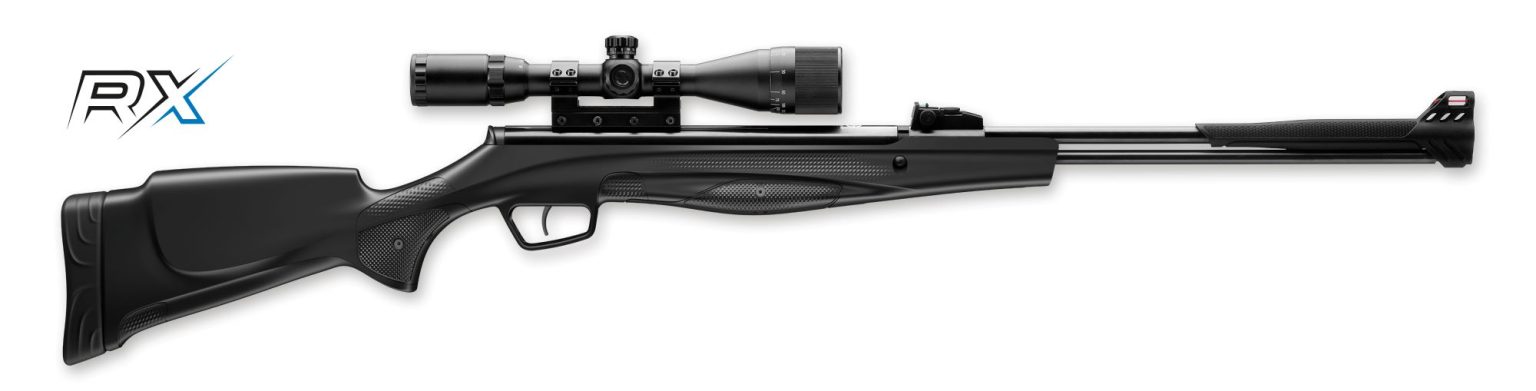
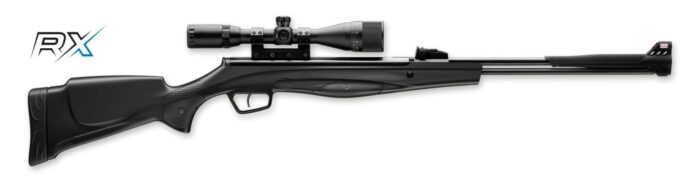
Stoeger RX40 Black Combo
€100.00
Smart and designed to place leisure and fun at the heart of the precision shooting experience. The Stoeger RX40 rifle has been designed for those who seek the utmost style and comfort.
Great ergonomics of the stock and easy under lever cocking.
PRECISION AND POWER
– Fixed barrel single shot for optimal precision
– Barrel and cylinder a solidly assembled in one strong unit
– Flip-up magazine
Stoeger RX40 Features:
- Available in .177 and .22 calibre
- 3-9 x 40 Scope and mounts
- Trigger: New Stoeger AIRGUNS Adjustable trigger T2 – double stage
- Cocking System: Under lever cocking – Fixed barrel single shot for optimal precision
- Stock:Human Tech Design Stock with ProAdaptive Checkering and Multi Grip System MGS
- Picatinny Side Rails
- Rail:Integral dovetail scope rail on receiver
- Finish: Black Synthetic – Rifled, blued steel barrel
- Safety: Automatic, ambidextrous safety mounted on back of receiver
- Total Length:43 in. / 1.090 mm
- Barrel Length:16 in. / 420 mm
- Weight: 3kg without scope
Stoeger RX40 Black Combo – Precision Underlever Air Rifle Technical Guide
Understanding the Stoeger RX40 Black Combo
Stoeger RX40: Fixed-Barrel Engineering and Precision
The Stoeger RX40 stands apart within the RX family because its barrel remains stationary while an underlever compresses the power system. Stoeger specifically describes the arrangement as an underlever-cocking, fixed-barrel single-shot system intended for optimal precision.
A fixed barrel can remove one mechanical interface associated with repeated barrel movement. Nevertheless, real Stoeger airgun accuracy still depends heavily on pellet consistency, shooter technique, trigger control, sight alignment, environmental conditions, and maintenance.
The RX40 also incorporates Stoeger’s T2 adjustable two-stage trigger and an automatic ambidextrous safety positioned at the rear of the receiver. Its sighting arrangement includes fiber-optic elements, while scope-equipped versions provide an additional optical sighting option.
Consequently, searches for Stoeger air rifle specifications, Stoeger air rifle with scope, Stoeger RX40, RX40, RX20, RX2, or Stoeger RX20 TAC often involve comparisons between different cocking systems, stock designs, sighting arrangements, and power levels.
Stoeger, Stoger, Stroeger, Stoiger and Stoeg: Understanding the Brand
Search engines frequently encounter variations such as stoeger, stoger, stroeger, stoiger, stoeg, and even stoker guns. The correct manufacturer name is Stoeger.
The broader catalog associated with Stoeger guns, Stoeger Arms, Stoeger Industries, and Stoeger AIRGUNS includes sporting firearms and air-powered platforms. Searches such as who owns Stoeger Industries, who owns Stoeger firearms, who makes Stoeger guns, where is Stoeger made, and where are Stoeger firearms made therefore need context because manufacturing arrangements differ across individual product families.
Stoeger AIRGUNS identifies itself as a Beretta Group brand, while Stoeger Industries operates within the broader Beretta-controlled group of companies.
Beretta Company History and Stoeger Connection
Understanding Beretta company history helps explain the corporate background surrounding Stoeger. Questions such as history of Beretta, where is Beretta made, who owns Beretta, when did Beretta start, when did Beretta start making guns, Beretta founded, Beretta country of origin, and even misspellings such as baretta or baretta gun commonly appear beside Stoeger searches.
Fabbrica d’Armi Pietro Beretta traces its documented history to October 3, 1526, when Bartolomeo Beretta supplied arquebus barrels to the Venice Arsenal. The company remains based in Gardone Val Trompia, Italy, and Beretta states that the business has remained under Beretta-family leadership across 15 generations.
Therefore, the answer to how long has Beretta been in business is approximately five centuries. Searches for Beretta Holding—sometimes typed beretta holdin—refer to the wider corporate group that includes several established sporting brands.
Stoeger XM1 and PCP Terminology
The RX40 should not be confused with the Stoeger XM1 family. Terms including XM1, Stoeger XM1 PCP, Stoeger XM1 air rifle, Stoeger XM1 Ranger, Stoeger XM1 Scout, Stoeger XM1 Bullshark, Stoeger XM1 Pro, Stoeger XM1 suppressed, Stoeger PCP rifle, Stoeger PCP air rifle, Stoeger compressed air rifle, and Stoeger regulated PCP rifle describe a different category of pneumatic systems.
The question what does PCP mean in air rifles has a straightforward answer: PCP means pre-charged pneumatic. A PCP stores compressed air in a reservoir before firing, whereas the RX40’s spring or gas-ram mechanism generates its working pressure during the cocking cycle.
That distinction also explains searches for PCP vs pump air rifle, air rifle compressor, and PCP suppressor. Compressors are associated primarily with filling PCP reservoirs rather than powering a conventional spring-piston RX40.
Stoeger RX20, S4000, XP4 and XRD50 Stoeger Searches
Consumers researching Stoeger frequently compare names such as Stoeger RX20, Stoeger RX20 TAC, Stoeger S4000, Stoeger XP4, Stoeger XRD50, XRD50 Stoeger, Tac 20, and air pistols.
These products should not automatically be treated as mechanically equivalent to the RX40. The RX40’s defining characteristic remains its fixed-barrel, underlever architecture. Stoeger describes it as the flagship model in the RX range and emphasizes the rigid-barrel concept as an important part of its controlled-shooting design.
.177 Pellets, CO2 Rifles and Airgun Power Systems
Search terms such as .177 pellets, CO2 rifle, the best pellet gun, and Stoeger tactical air rifle represent several separate airgun categories.
The RX40 uses conventional pellets in its specified caliber but does not rely on disposable CO2 cartridges. Instead, its internal spring or gas-ram powerplant is mechanically compressed through the underlever.
Pellet selection remains important because projectile mass, shape, manufacturing uniformity, barrel compatibility, and velocity all affect consistency. A heavier pellet generally travels more slowly than a lighter projectile when other conditions remain equal.
Stoeger Parts, Accessories and Related Search Terminology
Owners may encounter searches for Stoeger parts, Stoeger M3500 accessories, air gun suppressor, and similar terminology. These terms should not be assumed to describe RX40-compatible components because Stoeger produces multiple product families with different mechanical interfaces.
Likewise, Stoeger airguns online and Stoeger airguns near me are general search phrases rather than technical specifications. Local laws concerning air rifles, power limits, transport, possession, use, and accessories vary significantly by jurisdiction and should always be checked before handling or using an airgun.
How Good Is the Stoeger RX40 for Precision Use?
From an engineering standpoint, the RX40’s principal precision-oriented features are its fixed barrel, underlever cocking system, adjustable two-stage T2 trigger, ergonomic stock design, and adjustable sighting system.
However, mechanical specification alone does not determine precision. Pellet quality, consistent hold, correct sight setup, trigger technique, maintenance, and safe range conditions remain equally important.
Stoeger itself describes the RX40 as combining ergonomics, straightforward underlever operation, and a precision-oriented shooting experience.
For that reason, phrases such as Stoeger airgun accuracy, Stoeger air rifle specifications, Stoeger air rifles, Stoeger airguns, Stoeger RX40, and Stoeger air rifle with scope fit naturally when describing the model technically rather than treating every Stoeger platform as identical.
Stoeger RX40 Black Combo Design, Performance, Precision, Handling, and Practical Use
The Stoeger RX40 Black Combo is designed around a fixed-barrel underlever system that places mechanical consistency at the center of its operation. Unlike a conventional break-barrel air rifle, the barrel does not need to pivot during the cocking process. Instead, the underlever is operated separately while the barrel stays aligned with the receiver. This configuration can support repeatable sight alignment and consistent mechanical positioning, which are important considerations in precision-oriented air-rifle design.
Fixed-Barrel Engineering and Why It Matters
One of the most important characteristics of the RX40 is its fixed-barrel construction. When the barrel remains stationary, there is no repeated opening and closing of the barrel assembly between shots. As a result, the relationship between the barrel, receiver, and sighting equipment can remain more mechanically consistent.
However, a fixed barrel does not automatically guarantee perfect accuracy. Consistency still depends on factors such as projectile quality, sight setup, trigger control, shooter stability, mechanical condition, and environmental conditions. Even a well-designed rifle can produce inconsistent results when these variables change significantly.
The underlever arrangement also changes how the rifle feels compared with a typical break-barrel model. Cocking force is applied through a dedicated lever underneath the barrel. Therefore, the shooter can prepare the firing mechanism without using the barrel itself as the cocking lever.
Accuracy and Precision Characteristics
Precision is one of the main areas where the RX40’s engineering becomes relevant. A stable barrel assembly, controlled trigger release, and correctly adjusted sighting system can help support consistent grouping during target shooting.
The trigger is especially important because unwanted movement during trigger release can shift the point of impact. A two-stage trigger allows the shooter to take up an initial stage before reaching the final release point. This provides a more predictable firing sequence when the system is adjusted correctly and handled safely.
Nevertheless, pellet selection is equally important. Two pellets of the same caliber can behave differently because of variations in weight, head diameter, skirt design, material, and aerodynamic profile. For this reason, consistency should normally be evaluated using the same pellet type under similar conditions rather than comparing results produced by several different projectiles.
Understanding the Shooting Cycle
The RX40 operates through stored mechanical energy rather than using a prefilled compressed-air reservoir. When the underlever is operated, energy is stored in the rifle’s internal power system. That energy is released when the trigger is activated.
This type of power system creates a distinctive firing cycle. The movement of internal components can generate vibration and recoil-like movement even though the projectile itself is relatively light. Therefore, consistent hold technique becomes important.
A shooter who changes grip pressure or shoulder pressure significantly between shots may notice changes in grouping. This is one reason why controlled shooting technique matters when evaluating any spring-powered or gas-ram air rifle.
Ergonomics and Handling
The RX40 Black Combo is designed with an emphasis on controlled handling. Stock geometry affects how naturally the rifle sits against the shoulder and how easily the shooter can align the eye with the sighting system.
A properly fitted shooting position can reduce unnecessary muscle tension. When the shooter does not have to force the head, neck, or shoulders into an uncomfortable position, maintaining a stable sight picture becomes easier.
Weight distribution is another important factor. Underlever rifles often contain more mechanical components beneath the barrel than basic break-barrel designs. As a result, balance can feel different. Some users may find the additional forward weight helpful for stability, while others may prefer a lighter configuration.
Scope Use and Sight Alignment
The Black Combo configuration may be supplied with an optical sight depending on the specific market package. A scope can make precise aiming easier because it provides a magnified sight picture and a defined aiming reference.
Correct scope installation remains essential. The mounting system should be compatible with the rifle, properly secured, and periodically inspected. Spring-powered air rifles can generate complex bidirectional forces during the firing cycle, which means optics should be suitable for that type of use.
Sight adjustment should also be approached methodically. Changes should be small and recorded where practical. Large or repeated adjustments without understanding the point-of-impact pattern can make sight setup more difficult.
When the RX40 Is Most Appropriate
The RX40 is primarily suited to controlled recreational air-rifle activities where local laws permit them. Examples include organized target shooting, supervised practice, and accuracy testing on an appropriate range.
A safe backstop is essential because air-rifle pellets can travel beyond the intended target. Shooting should never take place toward roads, buildings, animals, people, or areas where someone could unexpectedly enter the line of fire.
Local requirements also matter. Airgun laws vary widely by country and can differ according to caliber, muzzle energy, age restrictions, storage rules, transportation requirements, and permitted places of use.
Maintenance and Long-Term Consistency
Regular inspection helps preserve reliability. The external surfaces should be kept clean and dry, while the barrel should be protected from dirt and obstruction. Screws, sight mounts, and stock fasteners should also be inspected periodically because repeated firing cycles may gradually loosen some components.
Excess lubrication should be avoided. Air rifles use seals and internal components that may react poorly to unsuitable oils or excessive quantities of lubricant. Manufacturer-approved maintenance guidance should always take priority.
The barrel should never be cleaned aggressively without a reason. Over-cleaning with inappropriate tools can damage sensitive surfaces. Instead, maintenance should focus on preserving proper function and preventing corrosion.
Why Consistency Is More Important Than Maximum Velocity
Higher velocity is sometimes assumed to mean better performance, but precision depends more strongly on consistency. A projectile traveling slightly slower but leaving the barrel at nearly the same velocity every time can produce more predictable results than one with greater velocity variation.
Pellet weight also influences velocity. Lightweight pellets normally produce higher speed, while heavier pellets generally reduce velocity but may behave differently in flight. Consequently, velocity figures should be interpreted as part of the rifle’s overall performance rather than as a standalone measure of quality.
Overall Technical Assessment
The Stoeger RX40 Black Combo combines a fixed barrel, underlever cocking mechanism, two-stage trigger system, ergonomic stock design, and scope-ready configuration into a precision-oriented air-rifle platform. Its mechanical layout provides a strong foundation for repeatability, although practical accuracy ultimately depends on the combined effect of ammunition consistency, correct sight adjustment, shooting technique, maintenance, and environmental conditions.
For users studying air-rifle design, the RX40 is particularly interesting because it demonstrates how a fixed barrel and separate cocking lever can be used to reduce movement within the barrel assembly. Its overall effectiveness should therefore be judged through consistency, safe handling, mechanical reliability, and repeatable accuracy rather than velocity figures alone.
Practical Use, User Experience, Safety, and Long-Term Ownership Considerations
The Stoeger RX40 Black Combo represents a style of air rifle engineering focused on controlled operation, consistent handling, and a traditional shooting experience. Its design combines mechanical simplicity with features intended to support stability during use. Understanding how the rifle behaves in practical situations requires looking beyond technical specifications and considering the interaction between the equipment, the user, and the shooting environment.
Practical Shooting Experience
When used correctly, the RX40 provides a distinctive experience compared with other air rifles. The fixed barrel design creates a feeling of solidity because the barrel remains in the same position throughout the cocking and firing process. This can help users develop a more repeatable shooting routine because the mechanical sequence remains consistent.
The underlever mechanism also creates a different handling style. Instead of breaking the barrel downward before each shot, the user operates a separate lever located beneath the barrel. This process can feel more deliberate and controlled, especially for those who appreciate a traditional mechanical shooting experience.
A consistent shooting routine is important for achieving reliable results. The user should develop the same sequence before every shot, including positioning, grip placement, breathing control, aiming, and trigger operation. Small changes in technique can influence the final result, particularly when shooting at longer distances.
Target Practice and Skill Development
One of the strongest applications of this type of air rifle is skill development. Because air rifles require careful control and precision, they can help users improve fundamental shooting habits.
A beginner can learn important concepts such as sight alignment, trigger discipline, steady positioning, and controlled breathing. More experienced users can focus on refining consistency, testing different ammunition types, and improving their ability to analyze shooting patterns.
Accuracy improvement normally comes from repetition and observation rather than simply using more powerful equipment. Recording shooting results, maintaining proper technique, and understanding how different conditions affect performance can help develop better skills over time.
Outdoor and Indoor Considerations
The suitability of an air rifle depends heavily on the environment where it is used. Indoor facilities provide controlled conditions because wind, lighting, and weather factors are reduced. Outdoor shooting introduces additional variables that can affect performance.
Wind is one of the most significant external factors because lightweight projectiles can be affected by air movement. Temperature, humidity, and shooting position can also influence the overall experience.
A responsible user should always select an appropriate location with a safe backstop and sufficient space. The surrounding area should be evaluated before shooting begins to ensure that unintended movement, property damage, or unsafe situations are avoided.
Handling and User Comfort
Comfort plays an important role in consistent performance. A rifle that feels balanced and natural in the hands allows the user to maintain a stable position for longer periods.
The stock design, grip shape, and overall balance influence how easily the rifle can be controlled. Users with different body sizes and shooting preferences may experience the same rifle differently. Therefore, spending time adjusting shooting posture and finding a comfortable hold is an important part of the learning process.
A relaxed shooting position is generally preferable to excessive force. Holding the rifle too tightly can introduce unnecessary movement, while a controlled and repeatable hold can provide better consistency.
Storage and Protection
Proper storage is essential for maintaining the condition of any precision mechanical device. The rifle should be stored in a dry environment away from excessive moisture, extreme temperatures, and unauthorized access.
A protective case can help prevent accidental damage during transportation or storage. The rifle should also be checked periodically for signs of wear, loose components, or surface corrosion.
Storage practices are particularly important because long periods of neglect can affect mechanical performance. A clean, properly maintained rifle is more likely to provide reliable operation over time.
Responsible Ownership Practices
Responsible ownership involves understanding both the equipment and the rules that apply in the user’s area. Regulations concerning air rifles vary significantly between different regions. Some locations regulate them based on power level, projectile type, age requirements, transportation rules, or approved areas of use.
Users should always research and follow local regulations before acquiring, transporting, or operating an air rifle. Safe handling practices should be followed at all times, including treating the rifle with care even when it is believed to be unloaded.
Basic safety principles include keeping the muzzle pointed in a safe direction, avoiding unnecessary handling, and ensuring that the shooting area remains controlled.
Learning the Mechanical System
Understanding how the rifle operates can improve the ownership experience. The user benefits from knowing how the cocking process works, how the trigger system functions, and how different maintenance practices affect reliability.
Mechanical awareness also helps identify problems early. Changes in performance, unusual sounds, increased vibration, or inconsistent operation may indicate that inspection or servicing is needed.
Rather than attempting unnecessary modifications, users should follow manufacturer recommendations and seek professional assistance when mechanical repairs are required.
Evaluating Performance Over Time
Long-term performance should be judged through consistency rather than short-term impressions. A reliable air rifle should maintain predictable operation when it is properly maintained and used within its intended conditions.
Performance evaluation should include factors such as consistency between shots, ease of handling, reliability of the mechanical system, comfort during extended sessions, and overall user confidence.
Every shooter develops different preferences. Some may prioritize smooth operation, while others may focus on handling characteristics or the challenge of improving personal accuracy. The most valuable equipment is often the one that allows the user to practice effectively and confidently.
Final Thoughts on Practical Ownership
The Stoeger RX40 Black Combo offers a mechanical design centered around stability, controlled operation, and precision-focused shooting. Its fixed barrel architecture and underlever system create a distinctive experience that appeals to users interested in traditional air-rifle engineering.
However, the quality of the shooting experience depends on more than the equipment itself. Proper technique, safe practices, regular care, suitable surroundings, and realistic expectations all contribute to successful long-term use.
When approached responsibly, the RX40 provides an opportunity to explore precision shooting fundamentals while developing greater understanding of mechanical design, consistency, and disciplined practice.
Mechanical Design, Build Quality, Reliability, and Ownership Experience
The Stoeger RX40 Black Combo demonstrates a design philosophy centered around durability, controlled operation, and a balanced shooting experience. Every component contributes to how the rifle performs, from the structural materials used in its construction to the way the internal mechanism transfers energy during operation. Understanding these elements provides a clearer picture of what makes this type of air rifle distinctive.
Construction and Material Quality
A well-designed air rifle depends heavily on the quality of its construction. The RX40 features a solid mechanical structure designed to withstand repeated use while maintaining dependable operation. The receiver, barrel assembly, stock, and internal components work together as a complete system rather than functioning as isolated parts.
The external finish is intended to provide protection against everyday handling and environmental exposure. Although proper care is still necessary, quality surface treatment helps reduce the effects of moisture, dust, and normal wear. A clean and protected exterior contributes to maintaining both appearance and function over time.
The stock design also plays an important role in durability. It provides a stable platform for the internal action while allowing the user to maintain a comfortable shooting position. The relationship between the stock and the action influences how the rifle feels during handling and firing.
Internal Mechanism and Energy Transfer
The internal mechanism is responsible for converting stored energy into projectile movement. During the cocking process, energy is stored inside the power system. When the trigger is activated, that energy is released through a controlled mechanical sequence.
This process involves several moving parts working together. Springs, seals, pistons, and other internal elements must operate smoothly to maintain consistent performance. Proper maintenance and correct handling help preserve the interaction between these components.
Mechanical systems naturally experience wear over time. However, a properly maintained air rifle can provide many years of service. Regular inspection allows users to identify small issues before they develop into larger problems.
Trigger System and Control
The trigger is one of the most important points of interaction between the user and the rifle. A predictable trigger system allows the user to complete the firing process with greater control.
A two-stage trigger design provides a gradual preparation phase before the final release. This arrangement allows the shooter to understand when the trigger is approaching the release point, which can support better control.
Trigger feel is influenced by adjustment, maintenance, and personal preference. Some users prefer a lighter trigger response, while others prefer a more deliberate feel. The most important factor is that the trigger operates consistently and safely.
Barrel Stability and Mechanical Alignment
Barrel alignment is a major consideration in precision-oriented designs. The RX40’s fixed barrel configuration reduces movement between the barrel and the rest of the rifle during normal operation.
A stable barrel position helps maintain a consistent relationship between the projectile path and the sighting system. However, the overall shooting result still depends on multiple factors, including ammunition quality, environmental conditions, and user technique.
Mechanical alignment should also be protected through careful handling. Impacts, improper storage, or unsuitable maintenance practices can affect performance over time.
Balance and Weight Distribution
The way a rifle feels in the hands can influence user confidence and comfort. Weight distribution affects how easily the rifle can be positioned, supported, and controlled.
A balanced design can help reduce unnecessary movement during aiming. However, individual preferences vary depending on body size, experience level, and intended use.
Some users may appreciate a more substantial feel because it can provide stability, while others may prefer lighter equipment for easier movement. The important factor is finding a comfortable shooting style that allows consistent control.
Reliability Through Proper Care
Reliability is not only determined by manufacturing quality. Long-term performance depends greatly on maintenance habits and responsible ownership.
Basic care includes keeping external surfaces clean, storing the rifle correctly, protecting it from excessive moisture, and checking important components periodically. Dirt and debris should be prevented from entering sensitive areas because contamination can affect mechanical operation.
Users should avoid unnecessary modifications or adjustments without proper knowledge. Changing internal components without understanding their purpose can reduce reliability and may create safety concerns.
Maintenance Philosophy
Good maintenance focuses on prevention rather than correction. Small regular checks are usually more effective than waiting until noticeable problems appear.
A maintenance routine may include inspecting fasteners, checking external condition, cleaning appropriate areas, and ensuring that storage conditions remain suitable. Manufacturer guidance should always be followed when performing maintenance procedures.
The barrel and internal mechanisms require particular attention because incorrect cleaning methods can create problems rather than solve them. Care should always be performed carefully and with suitable equipment.
Long-Term Ownership Experience
Owning a precision air rifle is not only about the first shooting session. The long-term experience is shaped by reliability, comfort, ease of maintenance, and confidence in the equipment.
A well-maintained rifle can become a familiar tool that allows the user to focus on improving technique rather than dealing with unnecessary mechanical concerns. Over time, users often develop a deeper understanding of how small adjustments in handling and environment influence results.
The RX40’s design provides a platform for learning about mechanical operation, shooting consistency, and equipment care. Its fixed barrel system, underlever operation, and structured design approach make it an interesting example of traditional air rifle engineering.
Overall Engineering Perspective
The Stoeger RX40 Black Combo reflects a balance between mechanical strength, user control, and precision-focused design. Its construction emphasizes stability and repeatable operation while maintaining a traditional shooting experience.
Like any precision mechanical device, its performance depends on proper care, responsible handling, and realistic expectations. When maintained correctly and used appropriately, the rifle provides a dependable platform for users who appreciate detailed engineering and controlled shooting practice.
Be the first to review “Stoeger RX40 Black Combo”
Related products
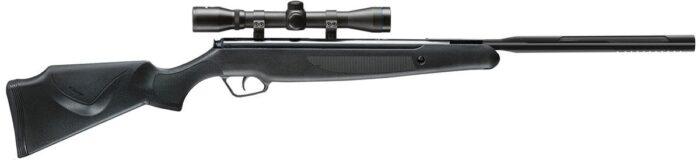
Stoeger Air Rifles
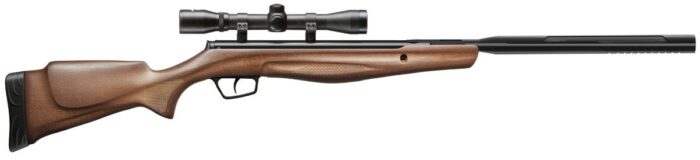
Stoeger Air Rifles
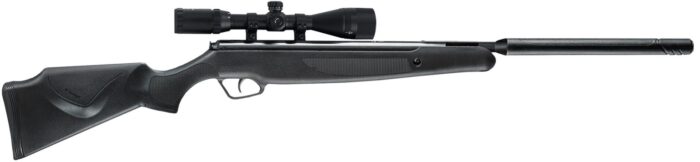
Stoeger Air Rifles
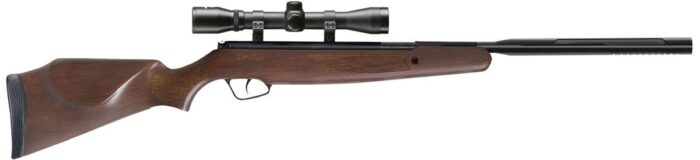
Stoeger Air Rifles
Reviews
There are no reviews yet.