










Benjamin Trail NP XL Air Rifle
€220.00
Description
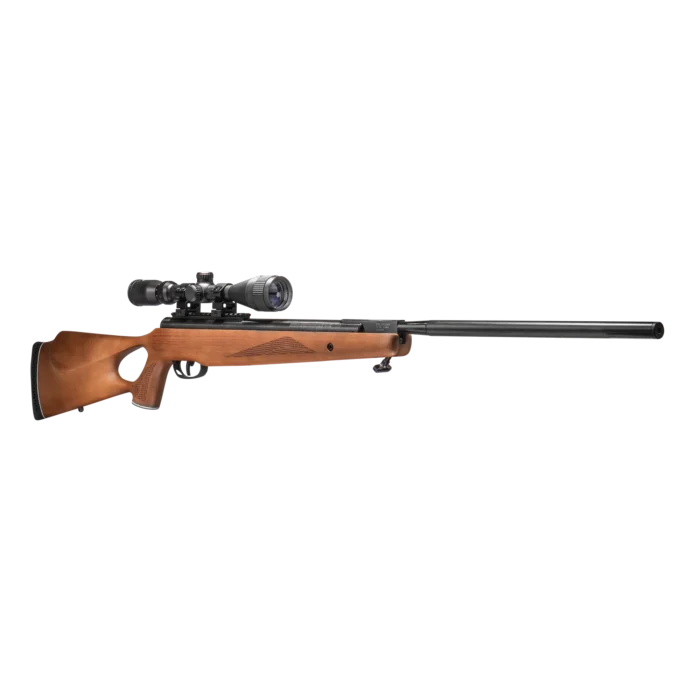
This Trail NP XL rifle features an ambidextrous hardwood thumbhole stock. In .177 caliber, this rugged breakbarrel boasts an impressive 24 ft-lbs of muzzle energy, providing a velocity up to 1500 fps.
Helpful resources:
- Learn about hunting with air rifles
- Tips for picking the right airgun for hunting game & pests
- Learn about airgun hunting laws in your state
- Shop related categories: pellet guns, pellet rifles
- Benjamin Trail NP (Nitro Piston) XL Air Rifle
- Breakbarrel
- Gas piston
- Bull barrel
- Ambidextrous stock with twin cheekpieces
- Textured grip & forearm
- 70% quieter than most other breakbarrels!
- Includes unmounted CenterPoint Optics 3-9x40AO scope
- Sling swivel studs already mounted
- Hardwood stock
- 9.70 lbs. with included scope & mount; 8.50 lbs. for just the gun (we’ve found that the weight can vary as much as 8 oz. due to fluctuations in wood densities)
The video on this page states it comes with a sling. It does not come with one.
If you shoot a lightweight pellet so its velocity exceeds the speed of sound, it could result in your pellet breaking the sound barrier and the gun being louder than expected! The speed of sound depends on humidity, temperature and altitude. Generally speaking, it’s between 1,060 fps and 1,115 fps.
Here are the benefits of the Crosman Nitro Piston:
- Smoother cocking
- Smoother shooting
- No spring torque
- No spring fatigue, even if you leave it cocked for hours
- Functions perfectly in cold weather
- Lasts longer than a metal spring
The owner’s manual states that the .25-caliber rifle delivers 950 fps. That’s a misprint. The max is 900 fps.
Specifications
Benjamin Trail NP XL Air Rifle – Magnum Nitro Piston Power, Hardwood Styling and Break-Barrel Precision
Benjamin Trail NP XL Air Rifle Overview
Magnum Break-Barrel Performance
The Benjamin Trail NP XL Air Rifle is a high-powered, single-shot break-barrel platform designed for experienced adult shooters who value straightforward operation, strong pellet velocity and traditional hardwood styling. Unlike a pre-charged pneumatic system, it does not require an external air cylinder, compressor or charging pump. Instead, the barrel is broken downward to cock the internal gas piston before one pellet is loaded directly into the breech.
Benjamin currently lists maximum velocities of up to 1,500 FPS in .177, 1,100 FPS in .22 and 900 FPS in .25. These figures depend on calibre and ammunition type, particularly because lightweight alloy projectiles usually produce higher advertised speeds than heavier lead pellets. The manufacturer also states that its Nitro Piston break barrels operate with less noise and recoil than traditional spring-powered designs.
Why Choose a Benjamin Air Rifle?
A benjamin air rifle combines familiar break-barrel operation with a gas-powered piston that avoids the vibration associated with a coiled steel spring. The wider benjamin air rifles range includes break barrels, pneumatic rifles, pistols, big-bore platforms and arrow-launching equipment.
The Trail model is especially useful when the shooter wants a self-contained rifle that can be cocked and loaded without transporting separate filling equipment. Its checkered hardwood stock supports a traditional sporting position, while the rifled barrel and consistent lockup can produce dependable precision after the documented break-in period.
Benjamin’s manual notes that accuracy and sound may vary during the first 100 shots while the internal system settles.
Benjamin Break and Nitro Piston Design
Searches for benjamin break, brake barrel bb gun, benjamin air rifle 22 break barrel and benjamibenjamin nitro piston 22 air rifle for hunting generally refer to gas-piston or spring-powered designs that cock through barrel movement.
Despite the wording pneumatic gun bb gun rifle, this model is intended for calibre-matched pellets rather than ordinary steel BBs. The barrel must be returned completely to its locked position after loading because proper lockup supports alignment and accuracy.
The phrase pellet rifle 1500 fps is most relevant to the .177 version, which carries the highest published velocity rating. However, buyers should compare practical energy, accuracy and intended use rather than selecting a rifle solely by its maximum speed.
Calibre Choices and Pellet Selection
The platform has been produced in .177, .22 and .25 calibre. cal .177 pellets suit the .177 version, while someone searching for a 177 pellet gun may appreciate its flatter trajectory and lower ammunition cost.
The .22 model is commonly found through searches such as benjamin pellet gun 22 cal and benjamin 22 air rifle. It provides a useful balance between pellet weight, trajectory and retained energy. Meanwhile, the .25 version fires a heavier projectile and is identified in Crosman support material as a single-shot Nitro Piston break barrel.
Only the calibre marked on the barrel should be used. A benjamin pellet should fit the breech smoothly, with its skirt seated flush rather than crushed or forced.
Air Guns for Hunting and Responsible Use
The phrase air guns for hunting frequently appears beside this model because its magnum output can support certain lawful pest-control or small-game applications. Nevertheless, suitability depends on calibre, pellet construction, distance, local regulations and humane placement.
A secure backstop must always be used. Hard surfaces and water should be avoided because pellets can ricochet unpredictably. Benjamin’s manual also identifies the rifle as adult equipment and warns that careless use can cause serious injury.
Benjamin Prowler and Vaporizer Alternatives
The benjamin prowler and benjamin vaporizer are separate break-barrel products. They may offer lighter handling or different stock designs, but the Trail NP XL is positioned as the more powerful magnum option.
A buyer choosing between them should compare cocking effort, calibre, weight, stock fit and realistic shooting distance rather than assuming every gas-piston rifle delivers identical performance.
Benjamin Marauder PCP Range
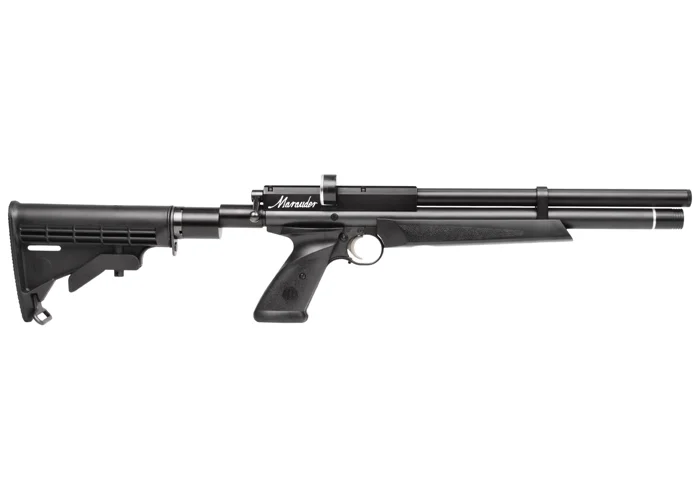
The benjamin marauder pcp, benjamin marauder, benjamin marauder pcp air rifle and pcp benjamin marauder belong to a different operating category. They store compressed air in an onboard reservoir and use a multi-shot magazine, whereas the Trail is cocked and loaded manually for every shot.
The benjamin marauder .25 offers a heavier PCP configuration, while the benjamin marauder pistol provides a compact pneumatic alternative. The phrase benjamin marauder air rifle bulldog 357 incorrectly combines two distinct product families.
Benjamin Armada and PCP Alternatives
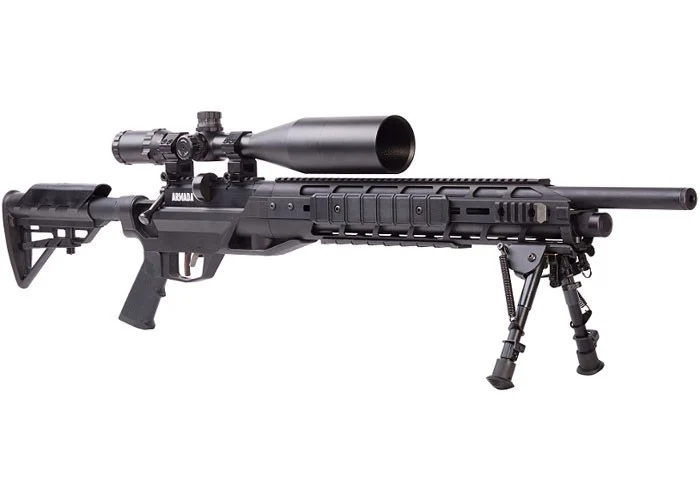
The benjamin armada is a modular PCP rifle designed around a reservoir, repeating magazine and accessory-friendly exterior. It suits shooters who want multi-shot pneumatic operation.
However, the Trail requires no charging bottle or compressor. This simplicity makes it practical for buyers who prefer a self-contained sporting rifle and do not mind breaking the barrel before every shot.
Benjamin Bulldog Magnum Series Bullpup
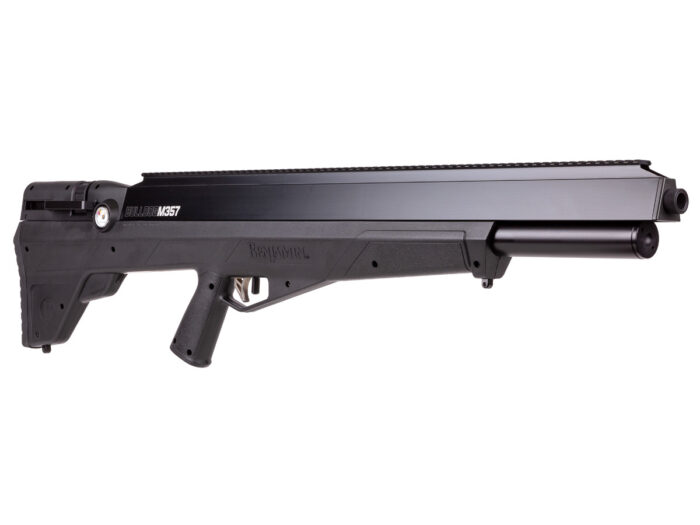
The Benjamin Bulldog Magnum Series Bullpup, benjamin bulldog, benjamin bulldog 457 and the phrase benjamin bulldog 457 20 joules refer to large-bore PCP bullpups rather than break barrels.
The Bulldog’s compact action, reservoir and larger projectile place it in a completely different performance class. Therefore, the Trail should not be compared directly with a big-bore platform based only on advertised power.
Benjamin Airbow Equipment
The expressions benjamin airbow airgun, benjamin airbow m600, benjamin pioneer airbow, benjamin air bow, benjamin bow, air bows pellet rifle and arrow gun for deer hunting describe compressed-air arrow-launching equipment.
An Airbow fires purpose-built arrows rather than pellets. Its ammunition, legal classification and intended application differ substantially from the Trail’s break-barrel design.
Air Rifle and Air Pistol Options
The phrase air rifle and air pistol covers equipment with different handling characteristics. A benjamin air pistol offers compact portability, while a shoulder-fired rifle provides a longer sighting plane and steadier support.
Similarly, co2 pellet guns use carbon-dioxide cartridges and may be convenient for recreational shooting, but temperature can affect their output. The gas-piston system avoids disposable cartridges and remains ready once the barrel is cocked.
Benjamin Air Rifle Repair
For benjamin air rifle repair, owners should consult the correct manual and authorised service resources. Benjamin continues to list owner documentation for the .177 and .22 Trail XL Magnum versions, while Crosman support also provides information for the .25 model.
Internal gas-piston work should not be attempted casually. Routine ownership should focus on correct ammunition, secure stock screws, careful barrel lockup and safe exterior cleaning.
Final Buying Assessment
The Benjamin Trail NP XL suits adult shooters seeking a powerful, self-contained break barrel with traditional hardwood construction and no dependence on external filling equipment. Its strongest advantages are magnum velocity, reduced spring vibration, straightforward single-shot loading and broad calibre availability.
With appropriate pellets, a secure backstop, disciplined technique and time allowed for break-in, it can provide impressive accuracy and dependable performance for lawful target shooting and approved sporting applications.
Design, Power Delivery, Accuracy and Practical Ownership
Nitro-Piston Operating System
The rifle uses a gas-powered piston instead of a traditional coiled mainspring. When the barrel is broken downward, the piston system is compressed and prepared for the next shot. Pulling the trigger releases that stored energy, which drives the internal piston forward and propels the pellet through the barrel.
This design generally produces less spring vibration and mechanical resonance than a conventional spring-powered action. As a result, the firing cycle can feel smoother and more controlled. However, the rifle still produces noticeable movement because it belongs to the magnum break-barrel category.
A firm but relaxed hold usually provides better results than attempting to clamp the rifle rigidly.
Self-Contained Break-Barrel Operation
One of the strongest practical advantages is that no external charging equipment is required. The shooter does not need a compressor, hand pump, high-pressure cylinder or disposable gas cartridge.
Each shot is prepared by safely breaking the barrel, loading one correctly sized pellet and returning the barrel to its locked position. This self-contained operation makes the rifle suitable for organised target sessions where filling equipment may not be readily available.
Nevertheless, cocking effort can be substantial. The barrel should be controlled throughout its entire movement and never released suddenly.
Hardwood Stock Construction
The hardwood stock gives the rifle a traditional sporting appearance while providing a solid structure around the action. Checkering around the grip and fore-end improves hand contact, particularly when conditions are warm or slightly damp.
Wood requires sensible care. After outdoor use, the stock should be wiped dry and inspected for moisture, scratches or damage around the action screws.
Prolonged exposure to rain, direct heat or strong sunlight may affect the finish. The rifle should not be stored in a damp case because trapped moisture can harm both the stock and metal surfaces.
Rifle Weight and Balance
The rifle is built around a powerful action, long barrel and substantial wooden stock. Consequently, it feels heavier than many entry-level sporting rifles.
That extra weight can support stability from a bench or supported position, although it may become tiring during long unsupported sessions. Shooters should establish a balanced stance and avoid holding the rifle with unnecessary muscular tension.
The supporting hand should rest beneath the fore-end at a repeatable point. Moving the hand forward or backward between shots may change how the rifle reacts during the firing cycle.
Artillery-Hold Technique
Powerful break-barrel rifles often respond well to a light, repeatable support technique sometimes described as an artillery hold. Instead of gripping the stock tightly, the shooter allows the rifle to move naturally during discharge.
The fore-end should rest lightly on the open palm or a soft support. Shoulder pressure should remain consistent without becoming excessive, and the cheek should contact the stock gently.
This technique may seem unusual to shooters accustomed to pneumatic rifles. However, excessive grip pressure can change the point of impact because the action moves in more than one direction during firing.
Barrel Lockup and Alignment
The barrel must return fully to its locked position after every loading cycle. Consistent lockup is essential because the barrel also supports the sighting relationship between the action and the target.
Before closing the barrel, confirm that the pellet is seated flush inside the breech. A protruding skirt may become damaged when the barrel is returned.
The barrel should close firmly but should not be slammed. Repeated forceful closing may accelerate wear around the locking surfaces.
Any unusual looseness or movement should be inspected before shooting continues.
Single-Shot Loading
The single-shot arrangement encourages deliberate shooting. Each pellet can be inspected before it enters the breech, reducing the chance of using damaged ammunition.
The shooter should look for bent skirts, flattened heads or visible contamination. A damaged pellet may fit unevenly, lose air around the skirt or leave the barrel with unstable rotation.
Pellets should be pressed into the breech using a fingertip without excessive force. Tools should not be used unless the manufacturer specifically recommends them.
Keeping ammunition inside a rigid container helps preserve its shape.
Choosing the Correct Pellet
A medium-weight domed pellet is often a useful starting point for accuracy testing. However, each barrel may show a preference for a particular weight, head size or skirt design.
Several reputable options should be tested under identical conditions. Groups should be fired from a measured distance using the same hold, rest position and sight setting.
The highest velocity does not automatically produce the best accuracy. Extremely light ammunition may travel faster, but heavier pellets may provide smoother behaviour and more consistent grouping.
The best choice should load smoothly and repeatedly strike the same area.
Scope Selection
A durable variable-power optic can help the shooter evaluate accuracy at different distances. Because the rifle produces a strong two-direction firing impulse, the optic must be rated for powerful break-barrel use.
An unsuitable scope may lose zero or suffer internal damage even if it performs well on a low-recoil rifle.
The mounting system should include secure rings and, where appropriate, a stop pin that resists rearward movement.
Mounting screws must be tightened evenly. Excessive force may strip threads, damage the rail or distort the optic tube.
Eye Relief and Cheek Position
Eye relief should be adjusted while the shooter holds the rifle in a natural position. A full image should appear without moving the head excessively forward or backward.
Consistent cheek contact is especially important. If the eye changes position between shots, the reticle may appear to shift in relation to the target.
A stable head position also reduces parallax-related errors. The shooter should avoid pressing heavily against the stock because changing cheek pressure can influence the way the rifle moves during discharge.
Zeroing Procedure
Initial zeroing should begin at a short distance with a large paper target and a reliable backstop. Fire a controlled group before making any adjustment.
Corrections should be based on the centre of the group rather than a single impact. After each adjustment, fire another group to confirm the change.
Once the short-range setting is established, move the target to the intended working distance. The zero should also be checked after transport or after tightening stock and mounting screws.
Trigger Control
The trigger should be pressed smoothly and directly toward the rear. Sudden pressure may disturb the sight picture and exaggerate movement during the firing cycle.
The finger should contact the blade at the same point for every shot. Meanwhile, the remaining fingers should hold the grip with steady but moderate pressure.
After the trigger releases, the shooter should maintain the position briefly. This follow-through helps prevent early movement and provides information about how the sights behaved during discharge.
Managing Cocking Effort
The barrel should be grasped securely and moved through its full cocking arc under control. The shooter should use safe body mechanics rather than relying entirely on arm strength.
The muzzle must remain directed toward a safe area throughout the process. Fingers should stay away from the trigger and loading area until the mechanism is fully cocked.
The barrel should never be left unsupported while a pellet is being inserted. Maintaining control reduces the risk of accidental closure.
Cleaning and Routine Maintenance
Exterior metal surfaces should be wiped after use to remove moisture and fingerprints. A lightly treated cloth may be used when appropriate, but excessive oil should be avoided.
The barrel does not require cleaning after every session. Cleaning becomes appropriate when accuracy declines or contamination is suspected.
A soft pull-through system protects the bore and muzzle crown better than an unsuitable rigid rod.
Stock screws and optic mounts should also be checked periodically because repeated firing movement can gradually loosen hardware.
Storage and Transportation
The rifle should be stored unloaded in a locked cabinet or secure container. It should never be left cocked during storage.
The chamber must be confirmed empty, and ammunition should be controlled responsibly.
During transportation, a padded case should protect the stock, barrel, optic and trigger assembly. The case should remain dry and out of public view.
With a consistent hold, suitable ammunition, secure mounting hardware and careful maintenance, the rifle can provide strong accuracy, dependable power and long-term value for lawful sporting use.
Advanced Accuracy, Troubleshooting, Safety and Long-Term Reliability
Establishing a Repeatable Shooting Routine
Consistent performance begins with a disciplined routine. Before each session, inspect the barrel, breech, stock screws, trigger area, optic mounts and muzzle. Every part should appear secure and free from visible damage.
Keep the muzzle pointed toward a safe backstop throughout preparation. The trigger finger must remain outside the guard until the rifle is fully shouldered, the target has been verified and the shooter has made a deliberate decision to fire.
Use the same support-hand position, cheek contact and shoulder pressure for every shot. Small changes in these contact points can move the point of impact, especially with a powerful gas-piston action.
Confirming an Unloaded Condition
The rifle is a single-shot design, but it should never be assumed empty. Before cleaning, adjustment, storage or transportation, open the action safely and inspect the breech.
The barrel must remain under control whenever it is broken open. Do not rely solely on the internal mechanism to hold it in position.
Never place fingers near the open breech while the barrel is unsupported. An unexpected closure could cause serious injury.
Once the chamber is confirmed clear, return the barrel carefully to its normal locked position.
Managing the Firing Cycle
A powerful break-barrel action moves differently from a low-recoil pneumatic rifle. The internal piston creates movement before the pellet leaves the barrel, so the shooter must allow the rifle to complete its natural firing cycle.
Trying to hold the stock too tightly can produce inconsistent results. Instead, use steady but moderate shoulder pressure and allow the fore-end to rest naturally on the supporting hand.
The rifle should return to the same position after each shot. If the hold changes, the impact may shift even when the optic and ammunition remain unchanged.
Developing Natural Point of Aim
Natural point of aim describes where the sights settle when the shooter relaxes. A correct position reduces muscular effort and improves repeatability.
Assume the intended shooting stance, close the eyes briefly and allow the body to settle. Reopen the eyes and observe where the reticle rests.
When the sights settle beside the target, move the feet, hips or torso instead of forcing the muzzle sideways with the arms. Muscular tension may hold the rifle on target temporarily, but it often causes movement during trigger release.
Improving Bench-Rest Testing
A padded rest can help evaluate ammunition and confirm optic settings. However, the fore-end should not be placed directly on a hard surface.
Use the same contact point on the rest for every shot. Moving the stock forward or backward changes how the action reacts and may alter the group position.
The barrel should remain completely free and must not touch the rest. The rifle should also avoid rigid clamping because it needs to move naturally during discharge.
Fire several groups before judging performance. One unusually tight group may occur by chance.
Identifying Hold Sensitivity
Hold sensitivity occurs when small changes in pressure or support position produce noticeable changes on the target.
To test this, fire one group with the supporting hand beneath a marked point on the fore-end. Then repeat the test with the hand positioned slightly farther forward.
If the group moves, return to the position that produced the most consistent result and use it during future sessions.
The objective is not to eliminate all movement but to make the movement repeatable.
Recognising Loose Stock Screws
Repeated firing movement can gradually loosen stock hardware. Symptoms may include sudden changes in accuracy, unusual vibration or a different sound during discharge.
Inspect the main stock screws regularly using the correct tool. They should be secure, but excessive tightening can damage threads or compress the stock material.
If screws loosen repeatedly, professional inspection may be appropriate. Applying unsuitable adhesives without guidance can make future servicing difficult.
Diagnosing Scope Movement
A strong two-direction recoil impulse can cause rings or mounts to shift along the rail. A moving optic may produce groups that gradually travel across the target.
Marking the original ring position can make movement easier to detect. Also inspect the stop pin, mounting rail and all screws.
If the optic continues to shift, confirm that it is suitable for high-powered break-barrel use. Equipment designed only for low-recoil rifles may not remain reliable.
Responding to a Sudden Accuracy Loss
When accuracy declines, begin with simple external checks. Inspect the pellets, stock screws, optic mounts, barrel lockup and support technique.
Do not immediately assume that the barrel requires cleaning. Many sudden problems are caused by loose hardware or a change in hold.
Fire a controlled group with previously reliable ammunition. If the problem continues, examine the breech seal and locking surfaces for visible damage.
Persistent faults should be assessed by a qualified technician rather than corrected through uncontrolled internal adjustments.
Inspecting the Breech Seal
The breech seal helps prevent compressed air from escaping where the barrel meets the action. A damaged or flattened seal may reduce velocity and consistency.
Inspect the seal when the barrel is safely opened. It should appear clean, correctly seated and free from cuts.
Do not use sharp tools around the seal. Excess oil should also be avoided because unsuitable lubricant may damage surrounding materials.
If replacement is necessary, use the correct part for the specific calibre and model.
Responding to an Unusual Sound
A noticeably different discharge sound may indicate a damaged pellet, incomplete barrel closure, loose stock component or internal fault.
Stop shooting and inspect the rifle before continuing. Confirm that the breech is clear and that the barrel locks fully.
A pellet may remain inside the bore if the discharge was unusually weak. Never fire another pellet in an attempt to clear an obstruction.
A suitable non-damaging method or professional service should be used to remove any blockage.
Managing Trigger Anticipation
Some shooters react to the expected movement and sound by tightening the grip or pushing the rifle forward before discharge.
This anticipation commonly produces low or sideways impacts. The correction is to apply smooth pressure without trying to predict the exact release point.
Shorter practice sessions can help because fatigue increases anticipation and poor trigger control.
After each shot, maintain the firing position briefly and observe where the sights moved.
Cleaning the Barrel Carefully
The barrel should be cleaned only when accuracy declines or contamination is present. Excessive cleaning can damage the crown or internal surfaces.
A soft pull-through system is generally safer than a rigid metal rod. Use products intended for airgun barrels and avoid harsh solvents.
After cleaning, several shots may be needed before the rifle returns to its normal grouping pattern.
The outside of the barrel and action should be wiped dry after use.
Protecting the Wooden Stock
Moisture, direct heat and strong sunlight can affect the stock finish. After outdoor use, wipe the wood with a dry cloth and allow the rifle to reach room temperature before storage.
Do not place the rifle beside a heater or inside a damp case. Rapid drying may cause changes in the wood.
Minor surface care should be performed with products suitable for finished gunstocks.
Safe Storage and Transportation
Store the rifle unloaded, uncocked and secured inside a locked cabinet or approved container.
Ammunition should remain controlled, and unauthorised users must not have access to the rifle or keys.
During transportation, use a padded case that protects the stock, optic, barrel and trigger assembly. The case should remain dry and out of public view.
Long-Term Reliability Assessment
Long-term reliability depends on controlled cocking, consistent barrel lockup, correct ammunition, secure hardware and responsible maintenance.
Keep the manual, purchase receipt and service records. Avoid unauthorised modifications that may reduce safety, damage the action or alter legal classification.
With repeatable technique, suitable optics and periodic professional servicing, the rifle can provide dependable accuracy, strong power delivery and many years of lawful sporting use.
Be the first to review “Benjamin Trail NP XL Air Rifle”
Related products

Benjamin

Benjamin

Benjamin


Benjamin
Benjamin
Reviews
There are no reviews yet.