
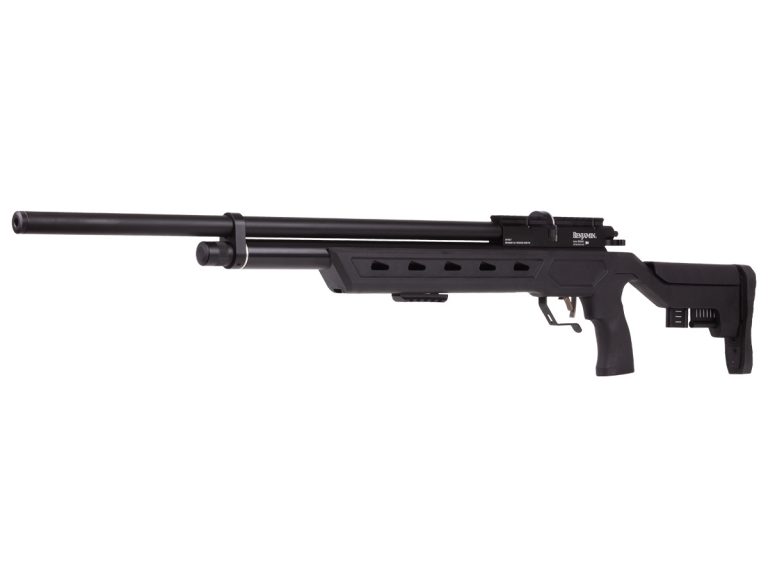
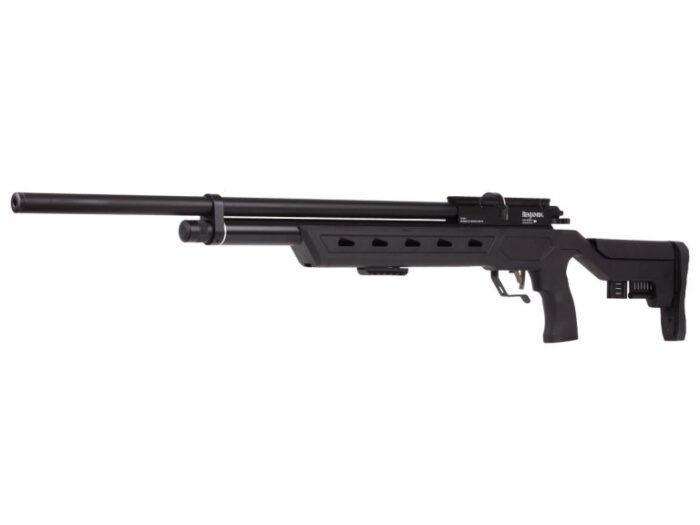
Benjamin Armada Semi-Auto PCP Air Rifle
€550.00
The Benjamin Armada is a semi-automatic PCP air rifle that brings a tactical, magazine-fed shooting experience to the airgun world. In .22 caliber at 950 fps, it’s capable enough for hunting and accurate enough for competition — and the semi-auto action makes for a fast, enjoyable range session.
We carry the Armada for shooters who want the efficiency of a repeating PCP without the manual bolt cycle between shots. It’s a platform that rewards good technique and keeps you on target when follow-up shots matter.
- Semi-automatic PCP action: Fast follow-up shots without manually cycling between rounds
- Available in .22 Cal: 950 fps — solid velocity for both hunting and target use
- Benjamin PCP quality: Proven brand with strong US support and parts availability
- Tactical-ready design: Built for shooters who want a modern, feature-rich platform
Caliber Benjamin ArmadaSemi Auto .22 PCP Air Rifle Brand Benjamin
Benjamin Armada Semi-Auto PCP Air Rifle: Regulated Speed, Tactical Precision, and Rapid Follow-Up Performance
Why Choose the Semi-Automatic Armada?
The main reason to choose this rifle is its ability to combine rapid operation with stable PCP performance. Unlike a benjamin break, brake barrel bb gun, or benjamin air rifle 22 break barrel, the barrel does not need to be moved and recocked after every shot. Consequently, the optic, barrel, receiver, and shooting position remain aligned throughout the magazine.
A regulator controls the air released for each shot. As a result, velocity variation is reduced across the useful pressure range, helping projectiles follow a more predictable trajectory. This consistency supports accurate group placement and makes sight adjustments easier to evaluate.
Moreover, the rifle’s semi-automatic mechanism allows a second shot to be taken quickly when necessary. Benjamin states that the platform can produce approximately 40 effective shots from one reservoir fill under suitable operating conditions.
How Accurate and Powerful Is It?
Accuracy is supported by the rifled, shrouded barrel, regulated action, stable stock, and repeatable trigger cycle. The shroud also reduces the muzzle report while protecting the barrel within the tactical-style handguard.
Although some shoppers search for a pellet rifle 1500 fps, maximum speed alone does not determine precision. Projectile quality, weight, barrel compatibility, air pressure, trigger technique, optic installation, wind, and shooting distance all affect the final group. A controlled 950-fps platform can provide more useful accuracy than a faster rifle producing inconsistent velocity.
The .22-caliber chambering offers a practical balance of speed, retained energy, trajectory, and resistance to light wind. Therefore, buyers comparing a benjamin pellet gun 22 cal, benjamin 22 air rifle, or pneumatic gun bb gun rifle should understand that this model is a pellet-firing PCP system rather than a conventional BB gun.
Where and When Should It Be Used?
The rifle is suited to controlled ranges, lawful private shooting areas, farms, and authorized hunting environments with a secure backstop. It can also support responsible air guns for hunting applications where local laws permit pneumatic equipment for small game or pest management.
Before shooting, users must confirm applicable restrictions concerning caliber, power, licensing, land access, quarry species, sound suppression, and safe storage. The rifle should never be discharged toward hard surfaces, water, buildings, roads, or any location where the target and background cannot be clearly identified.
How Does It Compare with Other Benjamin Platforms?
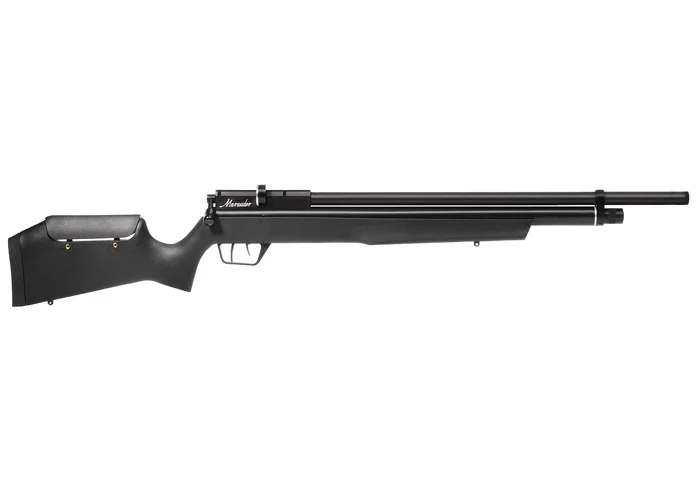
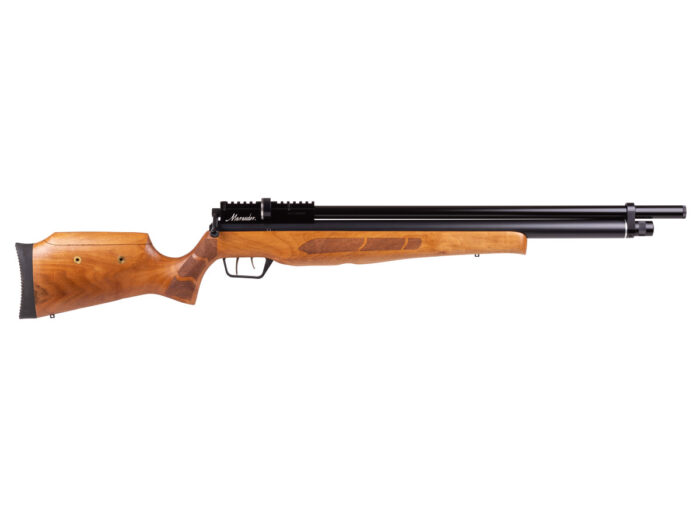
The broader family of benjamin air rifles includes break-barrel, bolt-action PCP, semi-automatic PCP, big-bore, pistol, and arrow-launching platforms. For example, the benjamin marauder, benjamin marauder pcp, benjamin marauder pcp air rifle, and pcp benjamin marauder are widely associated with quiet multi-shot precision. However, conventional versions require manual bolt operation, while the semi-automatic Armada cycles the next shot through its pneumatic action.
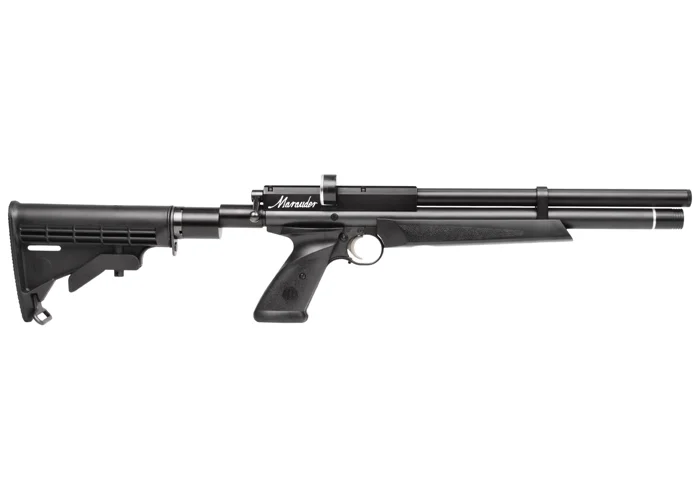
The benjamin marauder .25 uses heavier projectiles for greater retained energy, whereas cal .177 pellets and a typical 177 pellet gun emphasize economical target shooting and flatter short-range trajectories. Meanwhile, the compact benjamin marauder pistol combines PCP operation with an eight-shot .22-caliber magazine and an optional shoulder stock.
Other products serve entirely different purposes. The benjamin prowler and benjamin vaporizer use break-barrel powerplants rather than an external compressed-air filling system. A search for benjamibenjamin nitro piston 22 air rifle for hunting may therefore lead to a platform with a different recoil cycle, cocking method, and operating experience. The Prowler, for instance, uses a Nitro Piston powerplant and is available in .177 and .22.
Big-Bore and Airbow Alternatives
The Benjamin Bulldog Magnum Series Bullpup, benjamin bulldog, benjamin bulldog 457, benjamin bulldog 457 20 joules, and benjamin marauder air rifle bulldog 357 belong to the big-bore category. These compact bullpup designs are intended for substantially heavier ammunition and more demanding hunting applications than the .22-caliber Armada. The current Bulldog M357 can generate up to 300 foot-pounds of energy, while the .457 model is marketed for large-game use where legal.
Likewise, the benjamin airbow airgun, benjamin air bow, benjamin bow, benjamin airbow m600, and benjamin pioneer airbow launch full-length arrows instead of pellets. Search terms such as air bows pellet rifle and arrow gun for deer hunting may combine separate product categories, but their ammunition, legal classification, effective range, and intended use differ significantly. The current M600 uses compressed air to launch arrows at speeds reaching 600 fps.
Additional Buyer Considerations
Shoppers comparing a benjamin pellet gun, benjamin pellet, benjamin air pistol, or complete air rifle and air pistol collection should consider intended range, ammunition cost, filling equipment, shot capacity, weight, and local regulations. Compared with co2 pellet guns, the Armada uses refillable high-pressure air rather than disposable cartridges.
Routine inspections should also be completed before every session. Complicated internal maintenance must be handled through an authorized benjamin air rifle repair provider because the reservoir contains high-pressure air.
Ultimately, the semi-automatic Armada stands out through its fast cycling, regulated consistency, tactical customization, reduced report, 10-round capacity, and practical .22-caliber performance. It offers a compelling option for responsible shooters who value precision but also require quicker follow-up capability.
Advanced Engineering, Shooting Performance, and Practical Advantages
A Modern Semi-Automatic Operating System
One of the defining characteristics of this rifle is its semi-automatic operating mechanism. Unlike manually cycled systems that require the shooter to work a bolt after every discharge, this design chambers the next projectile automatically using the energy stored within the compressed-air system.
This allows the shooter to maintain the same shooting position while engaging multiple targets or taking rapid follow-up shots. The uninterrupted shooting rhythm also minimizes unnecessary movement, helping maintain sight alignment and improving overall efficiency during extended shooting sessions.
Because manual cycling is eliminated between shots, fatigue can be reduced during long practice sessions, especially when large numbers of rounds are fired.
The Benefits of a Regulated Air System
A regulated pneumatic system plays an important role in maintaining consistent performance. The regulator manages the amount of compressed air released during each firing cycle, allowing similar pressure levels to propel every projectile.
Greater consistency generally results in smaller variations in velocity. Consequently, the projectile follows a more predictable flight path, making it easier for shooters to maintain tight groupings at different distances.
Stable air delivery also improves confidence when practicing at longer ranges because fewer unexpected velocity fluctuations occur between consecutive shots.
Consistency Builds Accuracy
Mechanical precision alone cannot guarantee excellent results. Instead, consistent performance is achieved when every component works together efficiently.
The regulated firing cycle, quality barrel construction, smooth trigger operation, secure optic mounting, and carefully selected ammunition all contribute to repeatable accuracy.
When these elements remain consistent, shooters spend less time making sight adjustments and more time refining their technique.
This predictability becomes especially valuable during target competitions, precision practice, and situations requiring accurate follow-up shots.
Reduced Recoil Improves Control
Since compressed air powers the firing cycle instead of a heavy spring mechanism, recoil remains extremely light. Less movement occurs during discharge, allowing the shooter to maintain a stable sight picture throughout the shot.
Minimal recoil offers several practical advantages.
First, newer shooters often find the rifle easier to control.
Second, experienced users can observe projectile impact through the optic more easily.
Finally, reduced movement decreases shooter fatigue during prolonged shooting sessions.
Together, these benefits create a smoother and more enjoyable shooting experience.
Efficient Magazine System
A rotary magazine allows multiple projectiles to be loaded before shooting begins.
Once inserted properly, the magazine feeds each projectile automatically during the firing sequence. This significantly reduces interruptions while practicing or engaging multiple targets.
Proper magazine maintenance remains important for reliable operation.
Dust, damaged projectiles, or improper loading techniques may reduce feeding reliability. Therefore, magazines should be inspected regularly and cleaned whenever necessary.
Careful handling also helps prevent unnecessary wear on internal components.
Optimized Barrel Design
The barrel has been engineered to provide stable projectile guidance from the chamber to the muzzle.
Consistent internal dimensions help minimize unnecessary variation, allowing projectiles to exit with improved stability.
The protective outer shroud contributes to a quieter shooting experience while also shielding the barrel from minor external impacts during transportation and field use.
Maintaining a clean barrel further supports consistent performance over time.
However, excessive cleaning should be avoided because unnecessary maintenance may temporarily reduce accuracy until a light coating of lead is restored inside the bore.
Comfortable Ergonomics
Long shooting sessions demand equipment that remains comfortable from beginning to end.
The stock provides a natural shooting position while supporting proper shoulder placement and cheek alignment.
Balanced weight distribution allows the rifle to remain steady during both supported and unsupported shooting positions.
Controls have also been positioned for convenient operation, allowing the shooter to manipulate the safety, charging handle, and magazine without making large movements that disturb shooting posture.
These ergonomic improvements encourage faster target acquisition while reducing physical strain.
Adaptability for Different Shooting Styles
Every shooter develops unique preferences over time.
Some prioritize benchrest precision, while others focus on field applications or practical target shooting.
This platform accommodates multiple shooting styles through its adaptable design.
Optics, bipods, slings, lighting equipment, and other compatible accessories can be installed according to individual needs.
This flexibility allows the rifle to evolve alongside the shooter’s experience instead of becoming limited to one specific purpose.
Reliable Performance in Various Conditions
Outdoor shooting exposes equipment to constantly changing environmental conditions.
Temperature, humidity, dust, and light rain can all influence performance if equipment is not designed appropriately.
The durable construction helps withstand routine outdoor use while maintaining dependable operation.
Nevertheless, regular inspection remains essential.
After each outing, moisture should be removed, exposed metal components should be protected, and all moving parts should be checked before storage.
Preventive care significantly reduces long-term wear.
Developing Better Shooting Habits
Owning quality equipment represents only one part of becoming an effective shooter.
Consistent practice remains equally important.
Successful practice sessions should emphasize proper breathing, stable body positioning, smooth trigger control, and disciplined follow-through rather than simply increasing the number of shots fired.
Recording group sizes, environmental conditions, shooting distances, and equipment settings also helps identify gradual improvements over time.
Rather than relying solely on equipment upgrades, shooters who refine their technique often achieve the greatest improvements in overall accuracy and confidence.
As experience grows, familiarity with the rifle increases, shooting becomes more instinctive, and precision develops naturally through disciplined repetition.
Maintenance, Reliability, and Long-Term Ownership Benefits
Routine Maintenance for Consistent Performance
Proper maintenance is essential for preserving accuracy, reliability, and overall shooting performance. Although modern pneumatic rifles are built with durable materials and precision-machined components, every mechanical system benefits from regular inspection and preventive care.
After each shooting session, the exterior should be cleaned using a soft microfiber cloth to remove dust, fingerprints, moisture, and residue. Metal components should receive a light protective coating of a suitable corrosion-prevention oil, while excess lubricant should always be wiped away to prevent the accumulation of dirt and debris.
Routine maintenance not only extends the service life of the rifle but also helps identify small issues before they develop into expensive repairs.
Proper Barrel Care
The barrel plays a significant role in maintaining consistent accuracy. Unlike powder-burning firearms, air-powered rifles generally require less frequent barrel cleaning because they produce very little fouling.
Cleaning should only be performed when accuracy noticeably declines or after a substantial number of shots have been fired. Excessive cleaning can sometimes disturb the natural lead coating inside the barrel, temporarily affecting precision until the surface stabilizes again.
Cleaning rods, pull-through systems, and non-abrasive cleaning patches designed specifically for air rifles should always be used. Harsh brushes or aggressive solvents should be avoided because they may damage the rifling or protective finishes.
Managing the High-Pressure Air System
The compressed-air reservoir is one of the most important components of the rifle. Maintaining this system correctly helps ensure consistent velocity and dependable operation throughout its lifespan.
Only clean, dry compressed air from reliable filling equipment should be introduced into the reservoir. Moisture entering the system may contribute to internal corrosion, seal deterioration, or reduced efficiency over time.
During filling, pressure should increase gradually rather than rapidly. Slow filling minimizes unnecessary stress on internal seals and allows pressure to stabilize naturally.
The maximum recommended fill pressure should never be exceeded. Overfilling can reduce performance, shorten component life, and potentially create unsafe operating conditions.
Protecting Internal Seals
Every pressurized system relies on multiple seals to contain compressed air effectively. These components naturally experience wear as the rifle undergoes repeated filling and firing cycles.
Periodic inspection helps identify early signs of seal wear, including gradual pressure loss, inconsistent shot velocity, or audible air leakage.
Replacing worn seals promptly restores efficiency while preventing unnecessary strain on surrounding components.
Whenever internal servicing becomes necessary, qualified technicians should perform the work using manufacturer-approved replacement parts to maintain safety and reliability.
Storage Recommendations
Correct storage practices significantly influence the long-term condition of any precision shooting equipment.
The rifle should always be stored unloaded in a secure location inaccessible to unauthorized individuals. A clean, dry environment with stable temperatures provides the best protection against corrosion and material degradation.
Excessive humidity, prolonged direct sunlight, and rapid temperature changes should be avoided whenever possible.
Protective storage cases, gun cabinets, or dedicated safes help shield the rifle from accidental impacts while reducing exposure to dust and moisture.
If long-term storage is anticipated, periodic inspections should be performed to verify that the rifle remains in good condition.
Improving Long-Term Accuracy
Consistent accuracy results from both mechanical quality and disciplined shooting habits.
Using the same high-quality ammunition throughout practice sessions minimizes unnecessary variables during testing.
Maintaining consistent shooting positions, breathing techniques, trigger control, and follow-through also contributes significantly to repeatable performance.
Environmental conditions should be recorded whenever serious accuracy testing is performed. Wind speed, temperature, humidity, shooting distance, and air pressure can all influence results.
Keeping a detailed shooting log allows gradual improvements to be measured while helping identify trends that might otherwise go unnoticed.
Selecting and Maintaining Accessories
Quality accessories enhance the overall shooting experience when selected carefully.
Optics should remain securely mounted and periodically inspected for loose fasteners or shifting alignment.
Bipods, slings, carrying cases, and maintenance tools should also be maintained in good condition to ensure dependable performance during field use.
Whenever accessories are installed or replaced, the rifle should be rechecked to confirm that balance, handling characteristics, and point of impact have not changed unexpectedly.
Routine inspection of accessory mounting hardware helps prevent unnecessary movement during shooting sessions.
Safe Handling Practices
Safe firearm and air rifle handling principles should always be followed regardless of experience level.
The muzzle should remain pointed in a safe direction at all times.
The trigger should not be touched until the sights are on the intended target and the decision to fire has been made.
Every target must have a safe and reliable backstop, and the surrounding area should always be evaluated before shooting begins.
Protective eyewear is strongly recommended during both shooting and maintenance activities.
Responsible operation protects not only the shooter but also everyone nearby.
Building Skill Through Consistent Practice
Developing precision requires patience and structured practice rather than simply increasing the number of shots fired.
Each training session should focus on specific objectives such as improving breathing control, refining trigger technique, evaluating different shooting positions, or reducing group size at known distances.
Short, focused practice sessions often produce better long-term improvement than extended sessions performed without clear goals.
Reviewing targets after each session provides valuable feedback that helps identify strengths as well as areas requiring additional attention.
Over time, these small improvements combine to produce noticeably greater consistency and confidence.
A Dependable Investment for Years of Use
A well-maintained pneumatic rifle offers excellent long-term value for recreational shooters, target enthusiasts, and responsible hunters alike.
Its durability, precision engineering, and efficient operating system provide dependable performance across many years of regular use when supported by proper maintenance and responsible ownership.
Routine care, careful storage, quality accessories, and disciplined shooting techniques all contribute to preserving reliability while reducing unnecessary wear.
With consistent attention to maintenance and safe operating practices, owners can expect a rewarding shooting experience characterized by dependable performance, repeatable accuracy, and lasting confidence every time the rifle is brought into the field or onto the range.
Practical Applications, Performance Optimization, and Buying Considerations
A Versatile Choice for Multiple Shooting Disciplines
A well-designed pneumatic rifle can serve a wide range of shooting activities without requiring significant modifications. Its combination of accuracy, consistency, and manageable recoil makes it suitable for recreational target shooting, precision practice, competitive events, pest management where legally permitted, and lawful small-game hunting.
This versatility allows one platform to satisfy the needs of both beginners seeking to improve their skills and experienced shooters looking for dependable long-term performance. Instead of specializing in only one task, it adapts effectively to changing shooting objectives.
Whether used at a formal shooting range or on private property where local regulations permit, consistent operation provides confidence during every session.
Improving Overall Shooting Performance
Excellent performance is achieved through a combination of proper equipment setup and disciplined shooting technique. Even the highest-quality rifle cannot compensate for inconsistent fundamentals.
A stable shooting position should always be established before taking a shot. The rifle should rest naturally against the shoulder while maintaining a comfortable cheek position and relaxed grip.
Breathing also plays an important role. Many experienced shooters inhale, exhale naturally, and gently squeeze the trigger during the brief pause between breaths. This technique minimizes unnecessary body movement and improves consistency.
Equally important is maintaining proper follow-through after each shot. Keeping the sight picture steady until the projectile reaches the target helps prevent unwanted movement during the firing cycle.
Selecting the Right Shooting Distance
Different shooting activities require different distances. Short-range practice allows new shooters to develop confidence while refining basic skills.
As experience increases, longer distances introduce additional variables such as wind drift, trajectory changes, and environmental influences. These challenges encourage continued skill development while providing valuable experience in reading conditions.
Beginning each session at a known distance also helps verify that the optic remains properly zeroed before moving to more demanding targets.
Progressing gradually produces better long-term results than attempting difficult shots too early.
Understanding Environmental Influences
Outdoor shooting conditions constantly change throughout the day. Wind direction, air temperature, humidity, lighting, and atmospheric pressure can all influence projectile flight.
Crosswinds remain one of the most significant challenges because they can move lightweight projectiles several inches over extended distances.
Bright sunlight may produce glare through optics, while overcast conditions often create softer, more consistent lighting.
Temperature changes may slightly influence air pressure and projectile behavior, particularly during long shooting sessions.
Learning to recognize these environmental effects enables shooters to make informed adjustments rather than relying on guesswork.
Developing Consistent Shooting Habits
Long-term improvement comes from structured practice rather than simply firing large numbers of shots.
Each practice session should focus on one or two specific goals. One session may emphasize breathing control, while another concentrates on trigger technique or unsupported shooting positions.
Maintaining a shooting journal can accelerate improvement by recording useful information such as:
- Shooting distance
- Weather conditions
- Group size
- Optic adjustments
- Ammunition type
- Air pressure before and after shooting
- Personal observations
- Areas requiring improvement
Reviewing these records over time often reveals valuable patterns that support continued progress.
Equipment Inspection Before Every Session
Performing a brief inspection before shooting helps prevent interruptions and promotes safe operation.
The optic should be checked to ensure it remains securely mounted.
Fasteners should be inspected for proper tightness.
The air reservoir should contain sufficient pressure for the planned session.
The barrel should be free of visible obstructions.
Moving controls should operate smoothly without excessive resistance.
Any unusual sounds, air leaks, or changes in performance should be investigated before shooting continues.
This simple routine requires only a few minutes yet significantly reduces the likelihood of mechanical problems during use.
Responsible Field Practices
Responsible shooting extends beyond marksmanship.
Every shot should be taken only after confirming a safe target and a secure backstop. Surrounding areas must always be evaluated carefully to ensure no people, animals, vehicles, or structures are at risk.
Local laws governing transportation, storage, and use should always be followed. Permission should also be obtained before shooting on private property.
Ethical shooting practices include understanding personal limitations, avoiding unsafe shots, and respecting wildlife, property, and neighboring communities.
Responsible ownership reflects positively on the entire shooting community.
Long-Term Ownership Benefits
Investing time in proper maintenance and regular practice produces benefits that extend well beyond improved accuracy.
Routine care reduces unnecessary wear while helping preserve reliability throughout years of regular use.
Consistent practice develops muscle memory, confidence, and familiarity with the rifle’s handling characteristics.
As experience grows, operation becomes smoother, target acquisition becomes faster, and precision improves naturally through repetition.
Owners who combine disciplined maintenance with structured training often enjoy dependable performance, lower operating costs, and greater satisfaction throughout the life of the rifle.
Is This the Right Choice for You?
Choosing a precision pneumatic rifle ultimately depends on individual needs, intended applications, experience level, and personal preferences.
Buyers seeking reliable accuracy, modern engineering, comfortable ergonomics, efficient operation, and dependable long-term performance will appreciate the balanced capabilities offered by this platform.
Rather than focusing on a single specification, evaluating the complete shooting experience provides a more accurate understanding of long-term value.
When properly maintained, used responsibly, and paired with quality accessories and suitable ammunition, this rifle offers a dependable combination of precision, durability, and versatility that continues to perform consistently through countless range sessions and lawful field applications.
Be the first to review “Benjamin Armada Semi-Auto PCP Air Rifle”
Related products
Benjamin
Benjamin
Benjamin
Benjamin
Benjamin
Benjamin
Reviews
There are no reviews yet.